 I like to think of mindfulness simply as the art of conscious living.
In fact, the most important point is just to be yourself and not try to become anything that you are not already.
Jon Kabat Zinn
I like to think of mindfulness simply as the art of conscious living.
In fact, the most important point is just to be yourself and not try to become anything that you are not already.
Jon Kabat Zinn
 The 2008 Annual Meeting of the Royal College of Psychiatrists at Imperial College, London was told that the evidence-base for the therapeutic value of meditation for a wide range of health problems was significantly stronger than most pharmaceutical products. A new meta-analysis of 823 randomly controlled trials of meditation, conducted by the US National Institute of Alternative and Complementary Medicine, showed the clinical benefits of meditation across a wide range of physical and emotional disorders.
Meditation is a way of life rather than quick fix achieved by using gimmicks such as incense, music and light, Dr Avdesh Sharma, past president of the Indian Psychiatric Association, said. It doesn’t work immediately. You need to practice it for several weeks before the effects begin to be felt. Dr Sharma added: If meditation was a drug, we’d all want shares in it. It has a beneficial effect on most physical health problems and is very effective for mental health problems significantly reducing levels of depression, anxiety and insomnia by improving relaxation, oxygenation of the brain, and energy levels.
Me ditation, whatever method you are using, is simply getting to know your mind. It is not about meditating ‘on’ something or getting into a zone where you are blissfully removed from your mind’s contents.
Instead, the actual meaning of meditation is more like getting used to being with your own mind.
Dzogchen Ponlop Rinpoche
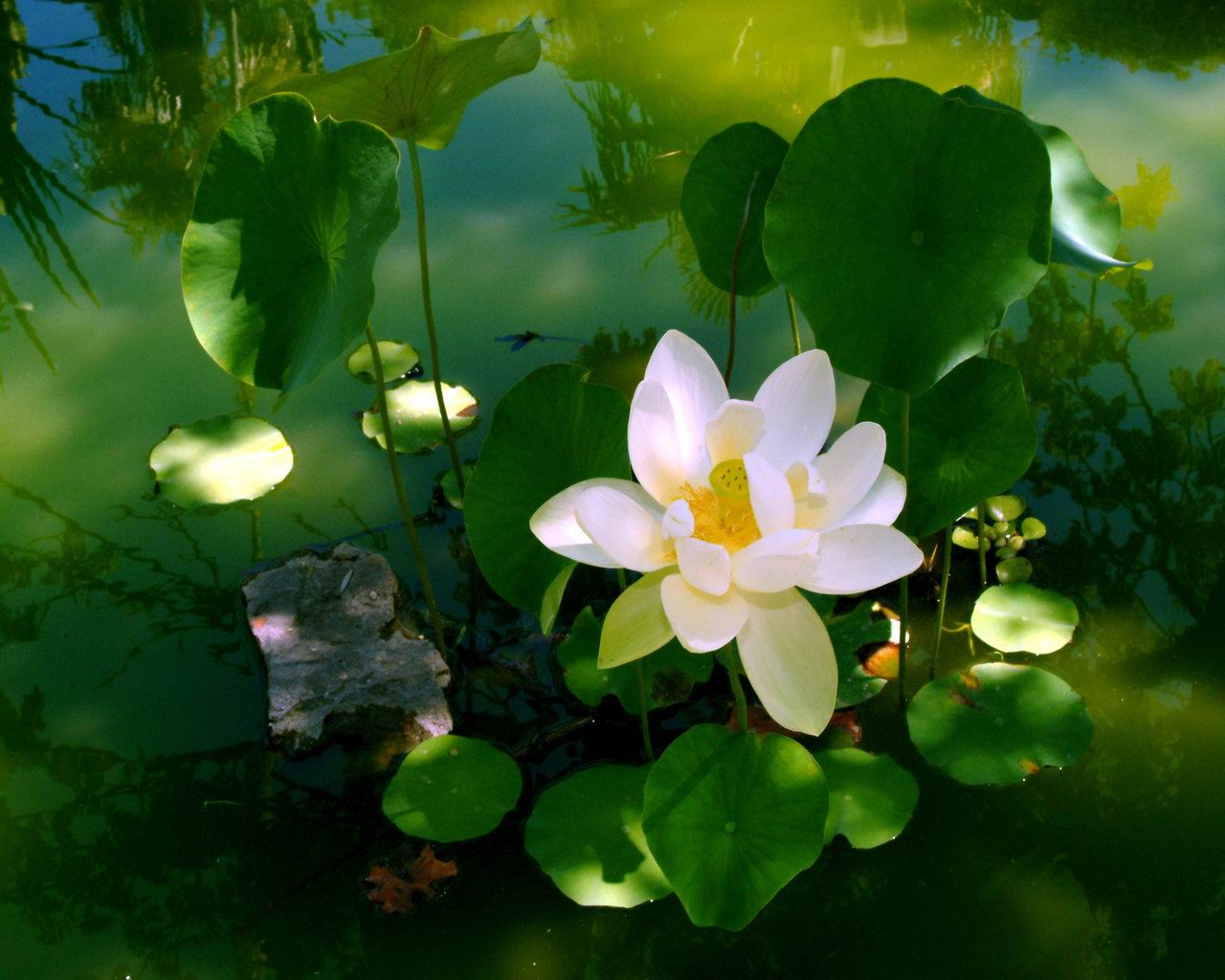 Today is the feastday of Teresa of Avila, another formidable nun, this time from the 16th Century. She lived in an age of great social change, somewhat like today, and was a strong leader, founding monasteries at a time when most preferred women to be relegated to the kitchen and the home. She was intensely practical and deeply human. However she combined her achievements with a very profound interior life. She reminds us not to neglect the dimension of the soul in this age with our focus on progress and speed.
Despite suffering ill health she had a great trust that a Higher Power was guiding her life and her work. Even if she could not see where things were leading she trusted. These handwritten words were found after her death. May they support all who struggle this evening. The musical version comes from the monastery at Taize, not too far away from here in Bourgogne.
Let nothing disturb you,
Let nothing frighten you,
Everything passes.
God does not go away.
Patience
can attain anything.
He who has God within,
does not lack anything.
Nada te turbe, nada te espante; quien a Dios tiene nada le falta.
 It continually strikes me how difficult it is just to allow things be, and not add on a layer of commentary or anticipation about them. Maybe it is because our brains are disposed toward negative experiences and are always vigilant for possible threats, as Rick Hanson’s excellent book, The Buddha’s Brain tells us. So we are disposed to have a background hum of anxiety, and find it hard to just relax. This means we create scenarios about potential futures, some of which never actually happen. Whatever the reason, I was made aware of it this morning in a phonecall which left me troubled.
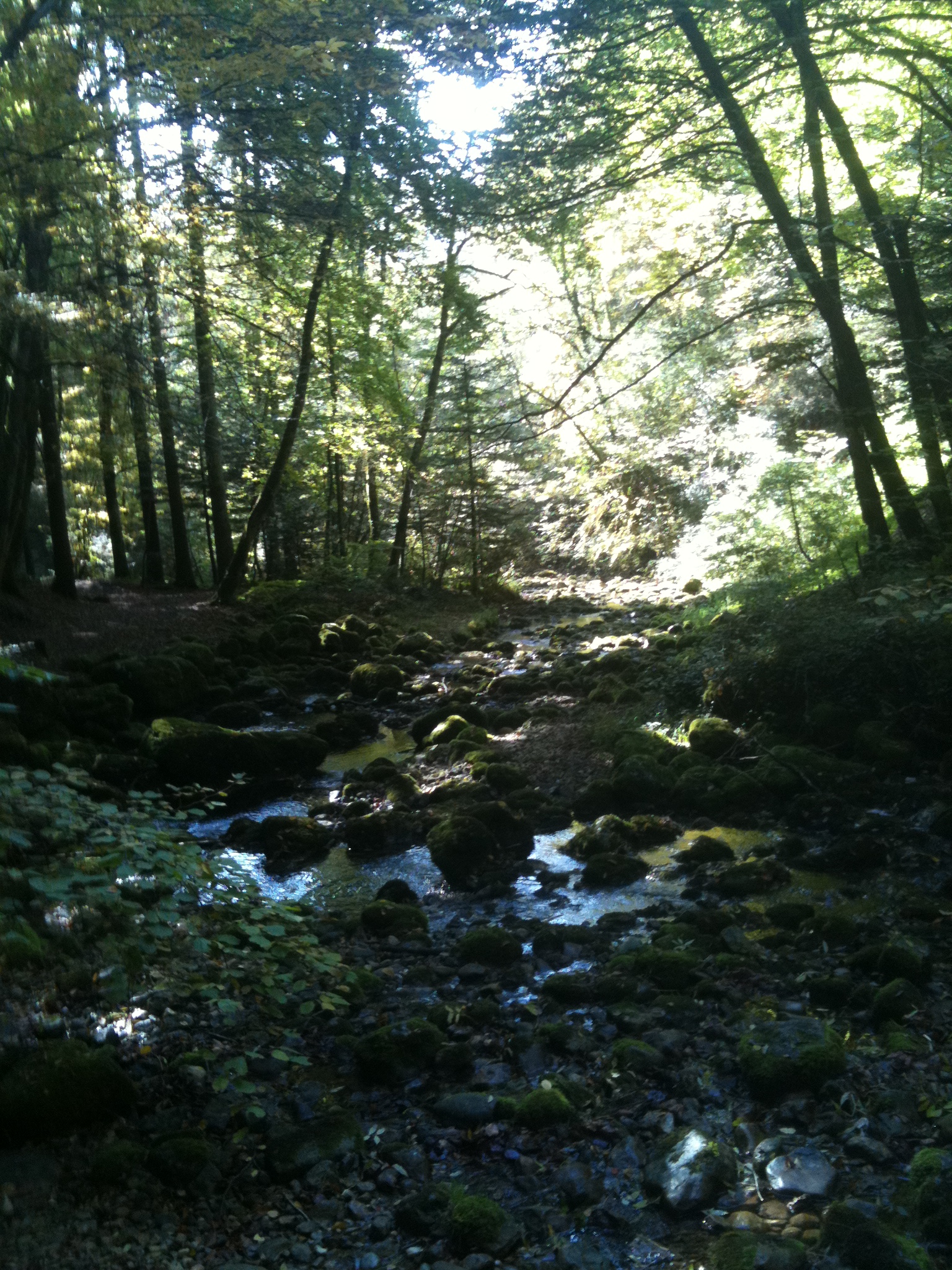
Afterwards I went for a walk in the beautiful woods near the source of the Allondon river. As I sat and listened to the sound of the water I was struck by how nature just does not worry about the meaning of life or the implications of its actions. It is not continually analyzing or counting. It is just faithful to its being. The river flows, the leaves fall, the seasons pass without the need to stand outside and observe their action. It is harder for us. Our minds are continually seeking active involvement with something. One instant, they run outward toward something, the next moment, they turn inward and away. Our practice is to try and develop stability and constancy in the mind, our capacity to simply be with life, and not always to think about it. As Pema Chodron reminds us, we cannot be in the present moment and run our storylines at the same time.
We tend to run our whole life trying to avoid all that hurts or displeases us, noticing the objects, people, or situations that we think will give us pain or pleasure, avoiding one and pursuing the other. Without exception, we all do this. We remain separate from our life, looking at it, analyzing it, judging it, seeking to answer the questions, ‘What am I going to get out of it? Is it going to give me pleasure or comfort or should I run away from it?” We do this from morning until night.
Charlotte Joko Beck
 A similar quote on meditation to yesterday morning’s one, noticing the tendency of the mind to use different strategies for avoiding simple, direct contact with life as it actually is. We prefer exaggerating our stories about life, often, to how things actually are. The mind likes to produce simulations of future or current events in our life, often making the anticipated difficulty seem bigger than it actually is:
Meditation practice provides provides the perfect context for observing our beliefs and recognizing the tug-of-war we have with our experience. Just sit quietly for five minutes and watch what happens. Unless we have some accomplishment in meditation, we won’t know what to do with all the activity. We become overwhelmed by the energetic play of the mind, pummeled by our own thoughts and emotions, bewildered by our inability to sit in peace. We will want to do something. And we really only have two means of escape from all this mayhem: we can either spin out into thought, which is an exaggeration of reality, or we can suppress or deny it.
Exaggeration and denial describe the dilemma we have with mind, and not just in meditation. Exaggeration and denial operate in conjunction with all our fantasies, hopes, and fears. When we exaggerate experience, we see what isn’t there. And when we deny it, we don’t see what is. Both exaggeration and denial are extraneous to the true nature of things, the nature we experience when we can just stay present.
Elizabeth Mattis-Namgyel, The Power of an Open Question
 Mindfulbalance