In a sense, sitting practice is waste of time because it is a dedicated period of  non-doing. On an outward level it appears to achieve nothing. To make things even worse, nothing really seems to change from day to day: you sit, you get distracted, you return to the breath, you get distracted…. It may seem pointless. It feels hard to presevere because the results are not immediately tangible while the actual practice can be difficult.
However, the “point” to meditation, is precisely by doing “nothing” and slowing down, gaps are created between activities and we develop our capacity to be aware of what is going on. And it seems that when one is aware, things have a greater tendency to fall as they should, in harmony with our deepest self.
There is increasing scientific backing showing that this “pointless” activity is, in fact, achieving something simply while we are sitting. It has been found that people who meditate activate the part of their brain that is associated with less anxiety and a better outlook on life. By not activating the anxious parts of the brain for certain periods of each day, our bodies are less likely to be tense, and our minds less likely to trigger well-conditioned patterns when faced with difficulties.
Tara Bennett-Goleman suggests that meditation works because it changes the relationship between the amygdala and the prefrontal cortex. The amygdala is the part of the brain that decides, among other things, if we should get angry or anxious. The pre-frontal cortex is the part that makes us stop and think about things. However, the amygdala can be over-cautious and makes mistakes, such as seeing problems or exaggerating anxiety where there is none. It can make us anxious even when there is no real danger present. Because there is a time gap between the time an event occurs and the reaction of the amygdala, the slowing down we practice in meditation may allow the pre-frontal contex intervene before an automatic reaction takes over. We can redirect it into more constructive or positive feelings. In other words, meditation develops emotional brain fitness and therefore this pointless activity may not be pointless after all.
In the case of meditaton, your goal is to transform yourself over the course of months and years. The progress you make is usually hardly noticeable from day to day
like the hands of a clock you hardly see moving.
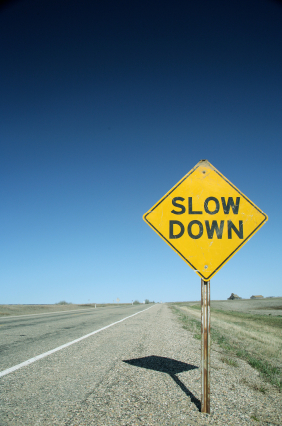
Haste and meditation do not go together ; Any profound transformation is bound to take time.
Matthieu Ricard, The Art of Meditation
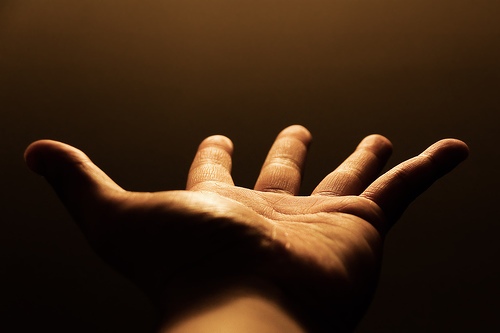 and a release of the body’s natural painkillers, the endorphins. Acts of kindness and compassion can lead to an experience of improved emotional well-being. So this day, look around at others and think beyond yourself. All kinds of opportunities to help, some big and some small, will present themselves if we pay attention. Regardless of the size of the act, there is no wrong way to perform simple acts of kindness. The possibilities are endless! This day ask: How will I practice spreading kindness in my life?


 Mindfulbalance