
It is not speaking that breaks our silence
but the anxiety to be heard
Thomas Merton
It is not speaking that breaks our silence
but the anxiety to be heard
Thomas Merton
As Chögyam Trungpa Rinpoche summarizes: “Ultimately, that is the definition of bravery: not being afraid of yourself.” Believing the seemingly non-stop, discursive commentary that courses through our heads simply interferes with letting ourselves be the brave beings we actually are. Such hyper-vigilance stems from fear, of course: “If I don’t check myself constantly, won’t I make a mistake?”
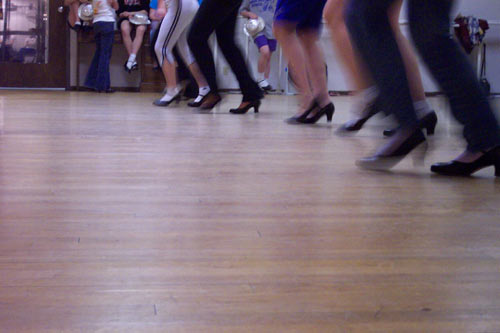
Letting go of incessantly measuring and comparing ourselves to others leads to spontaneous acts of courage and compassion. It’s like learning a dance step well enough that we no longer need to keep looking down at our feet.
Gaylon Ferguson, Natural Bravery

As soon as it becomes clear that “I” cannot possibly escape from the reality of the present, since “I” is nothing other than what I know now, this inner turmoil must stop. No possibility remains but to be aware of pain, fear, boredom, or grief in the same complete way that one is aware of pleasure. The human organism has the most wonderful powers of adaptation to both physical and psychological pain. But these can only come into full play when the pain is not being constantly restimulated by this inner effort to get away from it, to separate the “I” from the feeling. The effort creates a state of tension in which the pain thrives.
But when the tension ceases, mind and body begin to absorb the pain – as water reacts to a blow or cut.
Alan Watts, The Wisdom of Insecurity

We tend to focus on, and speak about the soul life of an individual in terms of spiritual comfort and deep nourishment…. but the equally unsettling and disturbing quality about this strange, often wild and courageous faculty of belonging inside us we have come to name ‘the soul’, is its ruthless, and almost tidal wish to find its own way to a full union with the world.
The soul is a planner’s nightmare, the biographer’s conundrum, an internal abiding spring that is both a source and a continual unstoppable flow, an internal stranger at the door of our outer life about to break everything apart and leave; a pilgrim suddenly more in love with the horizon than its home; and most disturbingly, someone who is willing to fail, often spectacularly, at their own life rather than succeed drably at someone else’s.
David Whyte
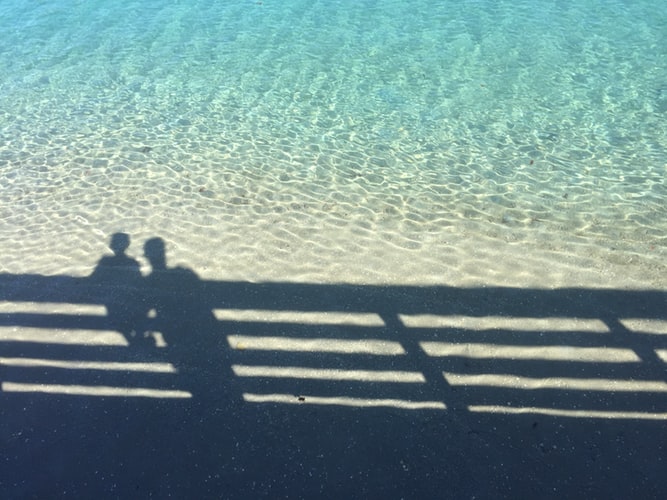
The mind creates the abyss,
the heart crosses it.
Nisargadatta Maharaj, 1897 – 1981, Indian non-dualist teacher

People were created to be loved,
and things, to be used.
The world is in chaos, because everything is upside down
Dalai Lama
 Mindfulbalance