Allowing ourselves to rest

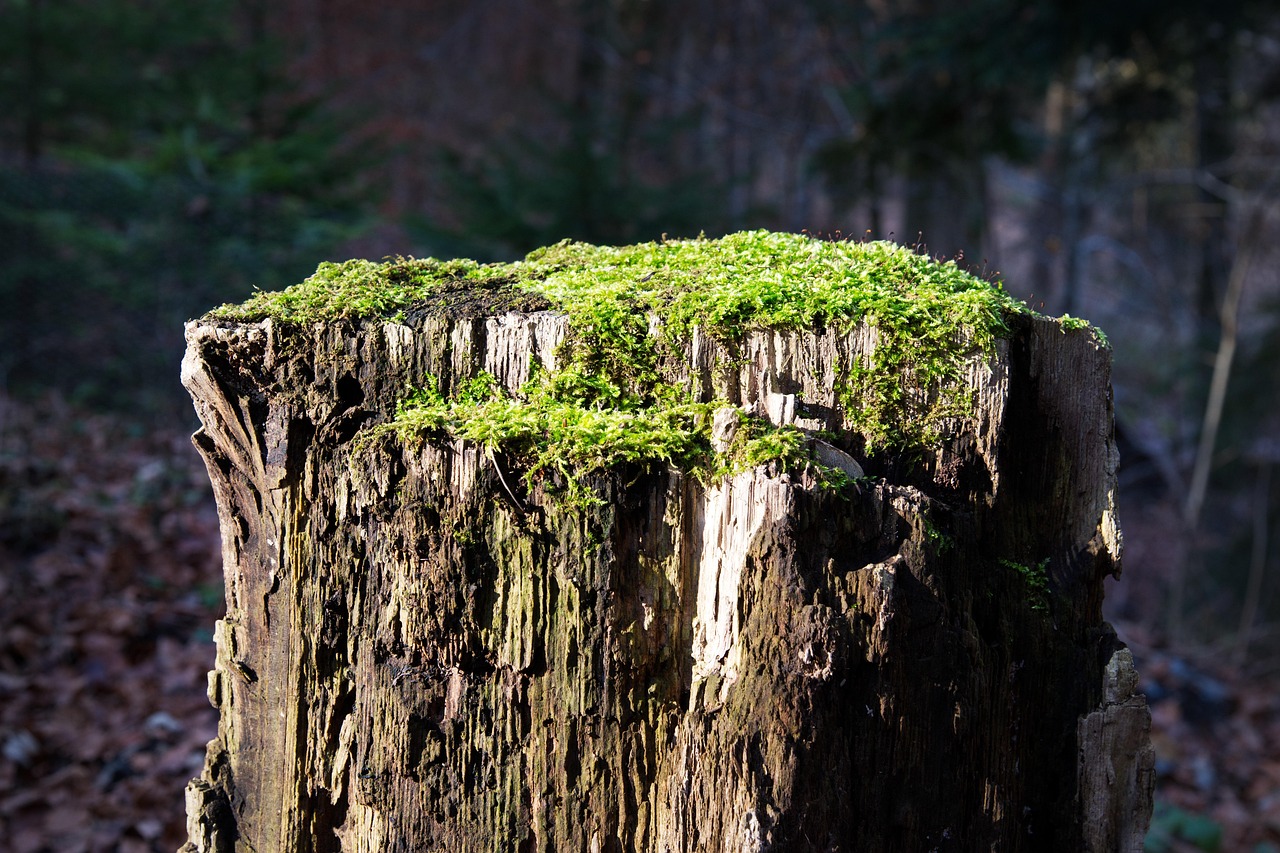
A Bank Holiday in Ireland. One of the nicest images to use when sitting

Suppose someone is holding a pebble and throws it in the air and the pebble begins to fall down into a river. After the pebble touches the surface of the water, it allows itself to sink slowly into the river. It will reach the bed of the river without any effort. Once the pebble is at the bottom of the river, it continues to rest. It allows the water to pass by.

I think the pebble reaches the bed of the river by the shortest path because it allows itself to fall without making any effort. During our sitting meditation we can allow ourselves to rest like a pebble. We can allow ourselves to sink naturally without effort to the position of sitting, the position of resting.

Resting is a very important practice; we have to learn the art of resting. Resting is the first part of Buddhist meditation. You should allow your body and your mind to rest. Our mind as well as our body needs to rest. The problem is that not many of us know how to allow our body and mind to rest. We are always struggling; struggling has become a kind of habit. We cannot resist being active, struggling all the time. We struggle even during our sleep.

It is very important to realize that we have the habit energy of struggling. We have to be able to recognize a habit when it manifests itself because if we know how to recognize our habit, it will lose its energy and will not be able to push us anymore.

Thich Nhat Hanh

Sunday Quote: things change

June 1st – Acceptance of the natural cycles of life – an awareness that nothing lasts forever gives rise to appreciation of what one has.

.The person who grieves over dead branches will never own a flourishing tree.

To cherish things without clinging – this is the way.

Yoshida Kenkō,  poet and Buddhist monk, Essays in Idleness, 1330

endings

Every ending is a beginning,

and by focusing with so much fear on the endings that we face

we are perhaps missing an openness to the idea that there could be some beginnings,

and they might be worth exploring

Moshin Hamid, British Pakistani novelist,

Flow with conditions

The fundamental nature of mind flows with conditions.

Awakening is only peace.

When there is no obstruction in worldly affairs or principles,

Then birth is non=birth

Mazu Daoyi, Chan Master, 709–788

a way of working with change

The Dzogchen tradition likes to use metaphors for non-grasping – effortless – awareness to help us recognize the “vast expanse” of our “natural mind”

Rest loosely,

like a bundle of straw untied.

No tightness, no goal

– just this.

Nyoshul Khenpo Jamyang Dorje, Natural Great Perfection: Dzogchen Teachings and Vajra Songs

Being wise

Wisdom is the capacity to see things as they are, without the obscurations of fear or desire. It’s not about knowing more but seeing clearly. When I remember that everything changes – pleasure, pain, even my own life = I stop clinging. This isn’t resignation; it’s liberation. The Buddha didn’t say, ‘Life is suffering.’ He said, ‘Clinging to life as if it were solid and permanent is suffering.’ Wisdom is the antidote to that clinging.


Sylvia Boorstein, It’s Easier Than You Think: The Buddhist Way to Happiness