Not everything goes to plan 1: Wait

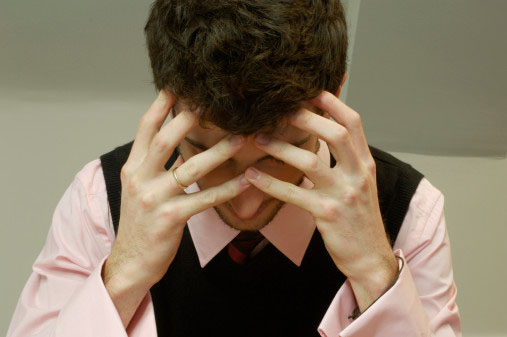
It is the height of arrogance to prescribe a moral code or health regime or spiritual practice as an amulet to keep things from falling apart. Things do fall apart. It is in their nature to do so. When we try to protect ourselves from the inevitability of change, we are not listening to the soul. We are listening to our fear of life and death, our lack of faith, our smaller ego’s will to prevail. To listen to your soul is to stop fighting with life–to stop fighting when things fall apart; when they don’t go our away, when we get sick, when we are betrayed or mistreated or misunderstood. To listen to the soul is to slow down, to feel deeply, to see ourselves clearly, to surrender to discomfort and uncertainty and to wait.

Elisabeth Lesser

Happiness is here, now

What this means is that we can find our own happiness and peace of mind,  just as we are in this very moment, because it is within us.

We don’t have to change our thoughts or change ourselves into someone else.

We don’t need to think that who we are, this “me,” is not good enough, smart enough,  or lucky enough to be happy.

Dzogchen Ponlop Rinpoche

Deepening your Practice 3: Be aware of the mind’s reactions

Mindfulness is not necessarily concentrating on an object. Being aware of confusion is also being mindful. If we have all kinds of things coming at our senses -noises, people demanding this and that- we cannot concentrate on any one of them for very long. But we can be aware of the confusion, or the excitement, or the impingement; we can be aware of the reactions in our own minds. That is what we call being mindful. We can be mindful of confusion and chaos. And we can be mindful of peace and tranquillity.

The path of mindfulness is the path of no preferences.

Ajahn Sumedho

All things come to an end

One of the more frequently quoted phrases coming from different wisdom traditions is “This too will pass” It is a reminder that we can find contentment in whatever circumstance if we glimpse the truth that all things will not last forever. Change is constant, events, people, health and sickness come and go in our lives, difficult situations will end. It allows us create space between ourselves and the situation and focus instead on why the situation has been presented to us and what we can learn from it.

It’s not always easy to stay balanced but it helps me when I look at the things happening in my life as due to many causes coming together. The wisest way I can respond to them is by working with them and  not struggling with them. This does not mean that I should not fight for the things that I can change or refuse to accept it when others treat me badly. However, at times, there are things that I cannot change. “This too will pass” helps me see that all things have an ending. And when I see that endings can lead to new beginnings, I can endure difficulties more easily and let go of good things without resentment.

Taking Responsibility 2: Ending blame

A similar reflection to the earlier one from Hollis, this time from a Buddhist perspective:

From a meditator’s point of view, as long as we’re looking for someone to blame, our mind is unable to settle. By putting ourselves into a mind space where we’re constantly projecting out into the world—trying to find someone or something who could be responsible for our unhappy state—we abandon the possibility of harmony. Blame is a form of aggression. Looking outward for an object to which we can attach our negativity and irritation hinders our ability to have peace. The meditation path encourages us to be bigger, more openminded, more mature. It’s suggesting that we take responsibility for our behavior. This means that one day we will simply have to stop blaming the world.

Blame is an obstacle on the path of openmindedness and understanding. By blaming others when the world doesn’t move the way we want, we’re creating narrow parameters into which everything must fit. We become dead-set on what will solve our problem; nothing else will do. Blame ties us to the past and reduces who we are. Our possibilities become confined to one small situation.

Sakyong Mipham Rinpoche, End Blame

Sunday Quote

To be nobody but myself – in a world that is doing its best, night and day to make me somebody else – means to fight the hardest battle any human being can fght, and never stop fighting

e.e.cummings