
Last evening it snowed here in Ireland. Not a real fall of snow such as you would see in Switzerland but enough to stick on the ground for a while and prompt thoughts of having to travel to work in more difficult circumstances, of getting stuck by bad roads. It does not take much sometimes for the mind to feel trapped and blocked, not seeing a way out. And frequently thoughts shift to ones of blame as we feel we should be stronger and able to dig ourselves out of the difficulty we are in, However, strange as it seems, getting out of narrow places sometimes requires that we accept that we are stuck. Most blocks come from fear; getting out requires that shift our relationship towards it .
What shuts down the heart more than anything is not letting ourselves have our own experience, but instead judging it, criticizing it, or trying to make it different from what it is. We often imagine there is something wrong with us if we feel angry, needy and dependent, lonely, confused, sad, or scared. We place conditions on ourselves and our experience: “If I feel like this, there must be something wrong with me… I can only accept myself if my experience conforms to my standard of how I should be.”
Meditation cultivates unconditional friendliness through teaching you how to just be—without doing anything, without holding onto anything, and without trying to think good thoughts, get rid of bad thoughts, or achieve a pure state of mind. This is a radical practice. There is nothing else like it. Normally we do everything we can to avoid just being. When left alone with ourselves, without a project to occupy us, we become nervous. We start judging ourselves or thinking about what we should be doing or feeling. We start putting conditions on ourselves, trying to arrange our experience so that it measures up to our inner standards. Since this inner struggle is so painful, we are always looking for something to distract us from being with ourselves.
In meditation practice, you work directly with your confused mind-states, without waging crusades against any aspect of your experience. You let all your tendencies arise, without trying to screen anything out, manipulate experience in any way, or measure up to any ideal standard. Allowing yourself the space to be as you are—letting whatever arises arise, without fixation on it, and coming back to simple presence—this is perhaps the most loving and compassionate way you can treat yourself. It helps you make friends with the whole range of your experience.
John Welwood
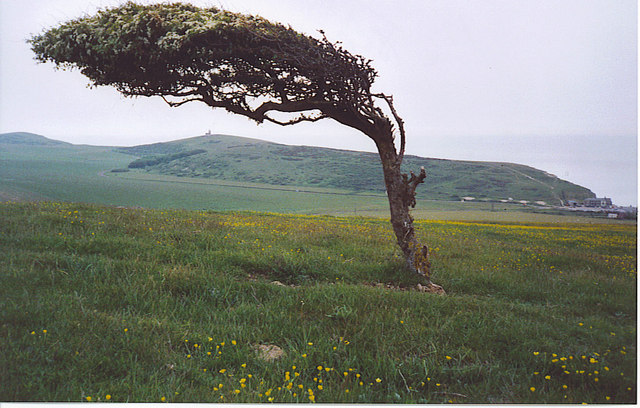
photo kenneth allen


 Mindfulbalance