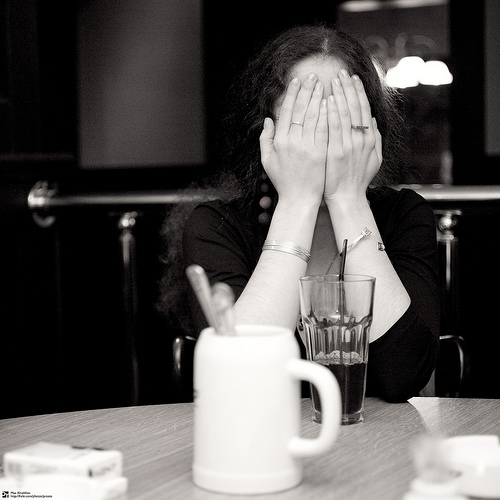
 When pain or distress arises in our bodies, our conditioned reaction is to pin it down and solidify it with concepts. We say “my knee,” “my back,” “my illness,” and the floodgates of apprehension are opened. We predict a dire future for ourselves, fear the intensification of the pain, and at times dissolve into helplessness and despair. Our concepts serve both to make the pain more rigid and to undermine our capacity to respond to it skillfully. We are caught in the tension of wanting to divorce ourselves from a distressed body while the intensity of pain keeps drawing us back into our body. Meditation offers a very different way of responding to pain in our bodies. Instead of employing strategies to avoid it, we learn to investigate what is actually being experienced within our bodies calmly and curiously. We can bring a compassionate, accepting attention directly to the core of pain. This is the first step towards healing and releasing the agitation and dread that often intensify pain.
Christine Feldman, Suffering is Optional

 To find equanimity and peace requires an acceptance of the mystery of life itself….When you can appreciate your life as part of the unfolding mystery of the immense forces that formed the entire universe, you can more easily accept the difficulties and hardships that you face. They are part of the unfolding of life. Many of the difficulties you’ve faced include endings, but none of them so far have been the end of your story. Without knowing the whole story, it is impossible to draw definite conclusions about our difficulties. We are still in the middle of them and don’t know how they will turn out. There is no rule book for life.
 Being silent doesn’t require being in a quiet place and it doesn’t mean not saying words. It means “receiving in a balanced, non-combative way what is happening”. With or without words, the hope of my heart is that it will be able to relax and acknowledge the truth of my situation with compassion.

 Mindfulbalance