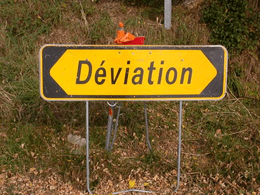
 A phrase that dominates much of the self-help jargon of our society is “take control of your life.” To be in control of one’s destiny, job, or finances is an unquestionable moral value today. It even sounds mature and spiritual. On a practical level it is true, but not on the big level. Our bodies, our souls, and especially our failures, teach us this as we get older. We are clearly not in control. It is amazing that we have to assert the obvious. This is not a negative discovery but, in fact, the exact opposite. It is a thrilling discovery of one’s fate, divine providence, being led, being used, one’s life having an inner purpose, being guided, having a sense of personal vocation, and owning one’s destiny as a gift from God. Learning that you are not in control situates you correctly in the universe. You cannot understand the joy and release unless you have been there.
Richard Rohr, Adam’s Return


 We each have the choice in any setting to step back and let go of the mind-set of scarcity. Once we let go of scarcity, we discover the surprising truth of sufficiency. By sufficiency, I don’t mean a quantity of anything. Sufficiency isn’t two steps up from poverty or one step short of abundance. It isn’t a measure of barely enough or more than enough. Sufficiency isn’t an amount at all. It is an experience, a context we generate, a declaration, a knowing that there is enough, and that we are enough.

 Mindfulbalance