Noticing the Dualistic mind today

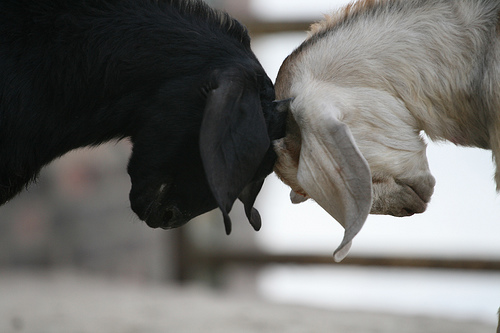
In the face of the economic hardship the world is now suffering, it is possible for us to spin out and become very dualistic. When we are not sure what’s going on, we react with fear and start labeling things black or white, good or bad, doomed to fail or destined to succeed. The process of labeling something because we are not sure what it is further increases the illusion of duality. Dualistic mind creates an aggressive scenario because we project a “self” and “other,” and this process becomes a cycle: the heavier the dualism, the heavier the fear.

What virtues can we develop to overcome the fear that freezes life into a dualistic illusion? Gentleness is key in overcoming the aggression that results from the process of fixating. We’re living in a time when even within our own mind, it is difficult to find peace. We label many faults in ourselves; we become harsh with ourselves. When we’re unable to find peace with ourselves, it becomes difficult to find peace with each other. So we must begin to practice peace by being gentle with ourselves. When we are gentle with ourselves, we are naturally gentle with others.

Sakyong Mipham Rinpoche, It’s Not Us and Them


Sunday Quote: Excuses

The trick is not how much pain you feel – but how much joy you feel.

Any idiot can feel pain.

Life is full of excuses to feel pain, excuses not to live, excuses, excuses, excuses.

Erica Jong

They never stay


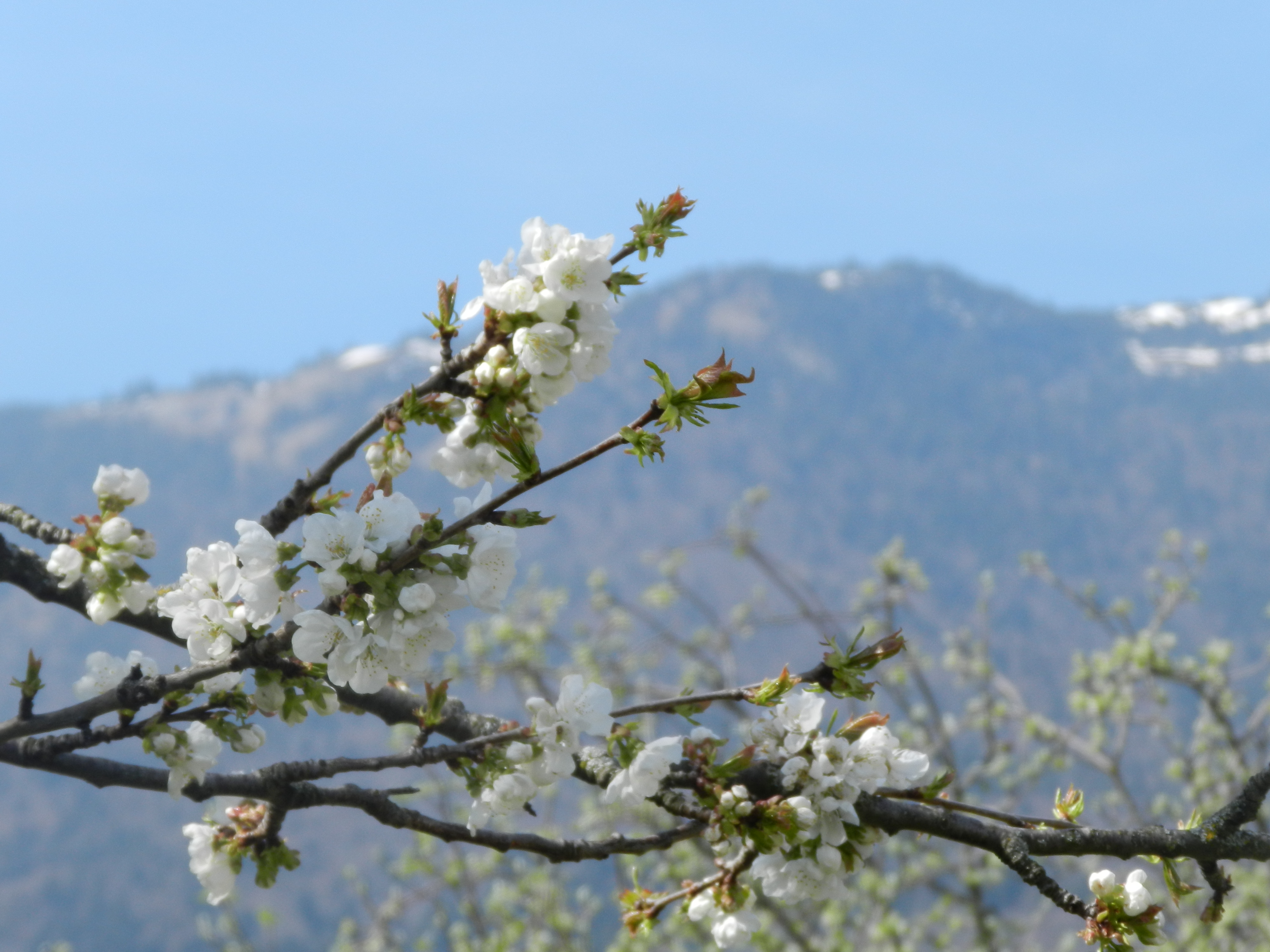
The bad weather this past week has meant that the blossoms on the cherry tree in the garden have all been blown away. Cherry blossoms have long been a symbol for transience and the the ephemeral nature of life, so I suppose they are even more so this year:

Nothing in the world
is usual today.
This is the first morning.

Come quickly –  as soon as
these blossoms open, they fall.
This world exists as a sheen of dew on flowers.

Izumi Shikibu,  10th Century Japanese poetess.

We usually take ourselves to be the sum of these thoughts, ideas, emotions and body sensations, but there is nothing solid to them. How can we claim to be our thoughts or opinions or emotions or body when they never stay the same?

Jack Kornfield

When we are unhappy

As I have written before, Jacques Lusseyran was a French writer who took part in the Resistance against the German Occupation, and he continued to organize groups against the Nazis even after he was sent to Buchenwald concentration camp. His work was all the more striking because he was totally blind from the age of 8, following an accident at school. His experiences give him a certain authority when it comes to reflections on what makes for contentment or unhappiness:

Unhappiness, I saw then, comes to each of us because we think ourselves at the center of the world, because we have the miserable conviction that we alone suffer to the point of unbearable intensity. Unhappiness is always to feel oneself imprisoned in one’s own skin, in one’s own brain.

Jacques Lusseyran.

Why difficulties are necessary


Some things cannot be spoken or discovered until we have been stuck, incapacitated, or blown off course for awhile.

Plain sailing is pleasant, but you are not going to explore many unknown realms that way.

David Whyte

Where joy comes from

Joy seems to be part of an unconditional wish to live, not holding back because life may not meet our preferences or expectations. Joy seems to be a function of the willingness to accept the whole  and to show up and meet with whatever is there. It has a kind of invincibility that attachment to any particular outcome would deny us. This willingness to win or lose moves us out of an adversarial relationship to life and into a powerful kind of openness. From such a position we can make a greater commitment to life. Not only pleasant life or comfortable life, or our idea of life, but all life. Joy seems more closely related to aliveness than to happiness.

Rachel Naomi Remen, Kitchen Table Wisdom