The basic practice

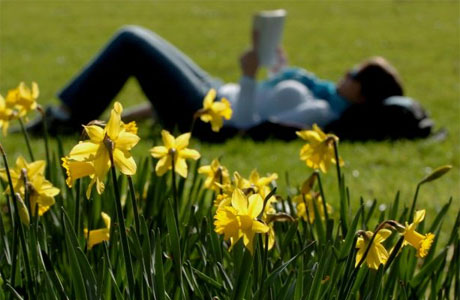
The basic practice is how to enjoy — how to enjoy walking and sitting and eating and showering. It’s possible to enjoy every one, but our society is organized in such a way that we don’t have time to enjoy. We have to do everything too quickly…. There are two things: to be and to do. Don’t think too much about to do — to be is first. To be peace. To be joy. To be happiness. And then to do joy, to do happiness — on the basis of being. So first you have to focus on the practice of being. Being fresh. Being peaceful. Being attentive. Being generous. Being compassionate. This is the basic practice.

Thich Nhat Hahn
Trusting even when we cannot see

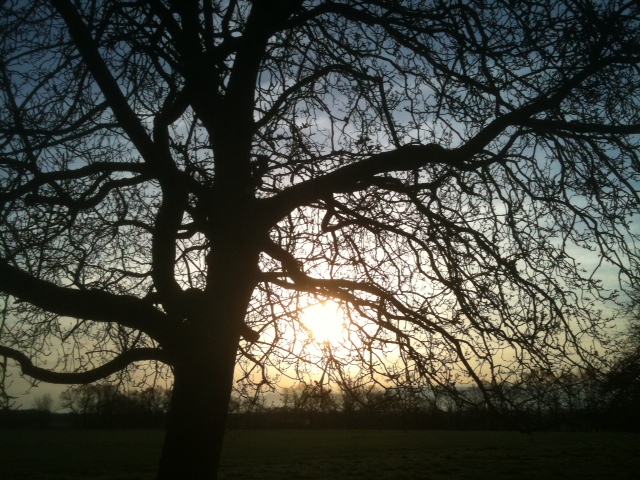
Both winter and spring are part of what’s true as are summer and autumn in their turn. In welcoming awakening’s seasonal transformations, we discover a greater truth that shows us a new way of trusting the very change that we once thought a problem. Awakening has its ebbs and flows. People get discouraged when nothing seems to be happening in their spiritual life. But because something isn’t apparent in our conscious awareness doesn’t mean that it’s not happening at all. When the field appears fallow, we can learn to trust what’s going on underground, in the dark, invisible to us. In fact, it’s essential that along with the lightning comes the quiet dark, when radiant bursts are taken in and made part of the whole. To agree to all the seasons and tides of awakening means that we are always walking the Way: while there are times we won’t understand, there are no detours, no causes for disappointment. Thouhg sometimes obscured by clouds, there is only the rising dawn, long and slow, that we walk within. 

Joan Sutherland, Seasons of Awakening

Trying not to hide

Anyone who understands impermanence ceases to be contentious. The Dhammapada.

I sometimes remind students, “Try not to duck. Try to see the truth of your experience right now, Try to be there” When we are in contention with the moment, we push it away and then we don’t see it clearly. When we see things clearly we can usually figure them out. And when we see things cordially, or at least when we allow ourselves to see them this way, then they are not distorted by our liking or not liking. Another way of putting this is, “Let us see the truth of every moment and lets see it without contention”

Sylvia Boorstein, Greet this Moment as a Friend

There is always a “but”

Most people  mistake the habitually formed, neuronally constructed image of themselves for who and what they really are. And this image is almost always expressed in dualistic terms: self and other, pain and pleasure, having and not having, attraction and repulsion. As I’ve been given to understand, these are the most basic terms of survival. Unfortunately, when the mind is colored by this dualistic perspective, every experience — even moments of joy and happiness — is bounded by some sense of limitation. There is always a but lurking in the background. One kind of but is the but of difference. “Oh, my birthday party was wonderful, but I would have liked chocolate cake instead of carrot cake.” Then there is the but of “better.” “I love my new house, but my friend John’s place is bigger and has much better light.” And finally there is the but of fear. “I can’t stand my job, but in this market how will I ever find another one?” Personal experience has taught me that it’s possible to overcome any sense of personal limitation.

Yongey Mingpur Rinpoche, The Joy of Living

Holding a conversation with life


Put down the weight of your aloneness and ease into the conversation. The kettle is singing even as it pours you a drink, the cooking pots have left their arrogant aloofness and seen the good in you at last. All the birds and creatures of the world are unutterably themselves. Everything is waiting for you.

David Whyte, Everything is waiting

Sunday Quote: Questions and answers

There are years that ask questions and years that answer

Zora Neale Hurston, Their Eyes were Watching God