 Today is the feastday of St Francis of Assisi (1182 – 1226), perhaps the most popular and likeable Christian saint. The example of his extraordinary heart reminds us of the joy that can be found in a life of meaning and service. Unlike some other saints he seems approachable. In his connection to nature he opens us out to all of creation. I am reminded of two stories from his life, both, not surprisingly, involving animals.
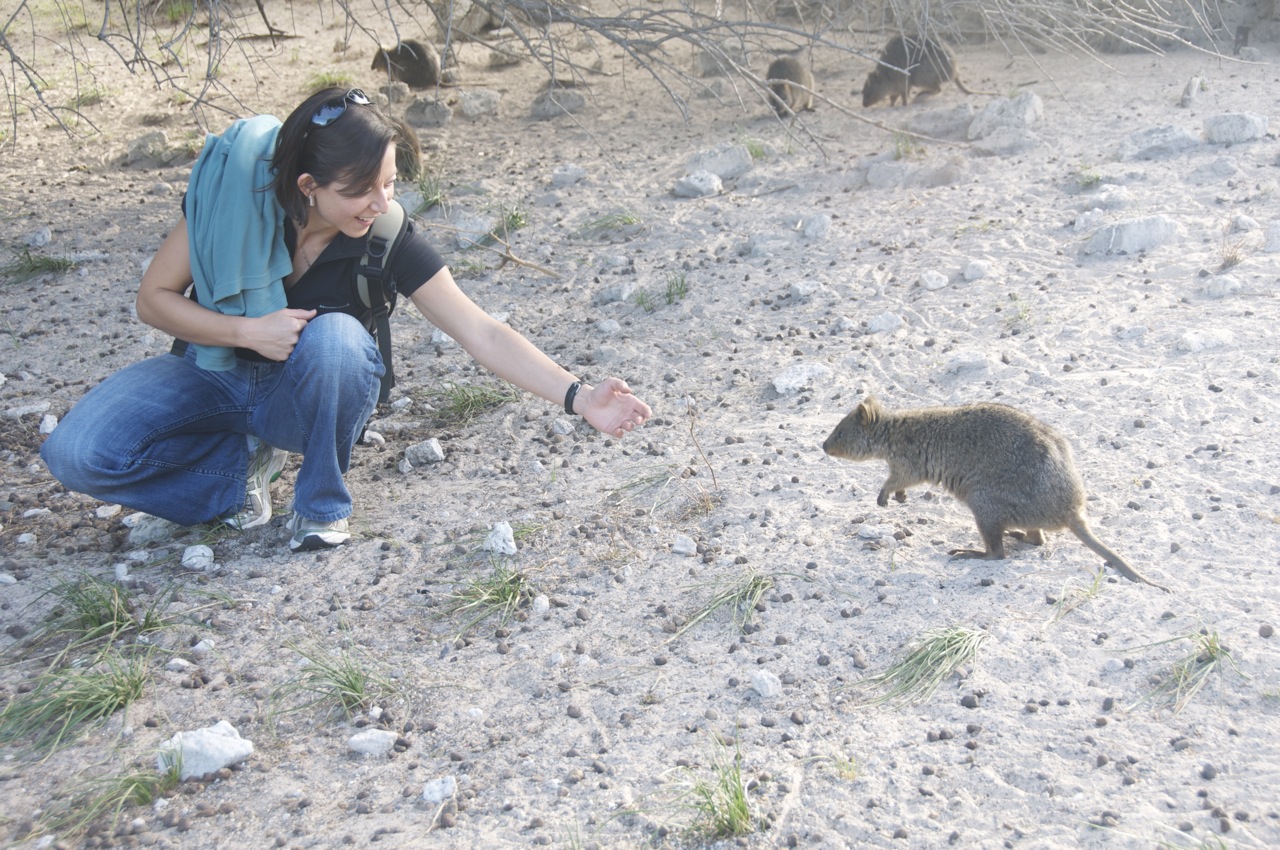
The first is the famous story about the wolf which was terrorizing the people of the town of Gubbio. It had killed several people, and they were now afraid to leave their homes. Francis heard about this and decided to go approach the wolf . When he came upon the wolf, it lunged at him, mouth open wide, about to bite. Francis simply, gently, greeted the wolf as “Brother Wolf” and spoke to it, telling it not to harm him. It stopped and lay down at his feet. Francis and the wolf made a deal: the town would provide food for the wolf for the rest of its life, in exchange for the wolf’s ceasing to harm them. We are told the wolf placed its right paw into Francis’ hand, and so the wolf lived in peace with the people of Gubbio for the rest of its life.
It is clear Francis was a peacemaker and reconciler – in this case helping the people in a society deal with what pushed them in fear to close their doors and withdraw. But I like to think of this story as a way that we can deal with our fears, the emotions that arise within us and scare us, like anger, jealousy and dislike of others. The stuff that relationships bring up in our lives. Our normal first response is to be disturbed or frightened by these strong emotions and we move to push them away. However, in themselves, these are not the problem, but it is our mind’s relationship to them that is. So what learn from Francis is to approach the things that frighten us – not to be afraid of the frightening wolves within us – but to begin by simply, gently looking at them directly. What would it be like to experiment with seeing them just as part of who we are at that moment and instead of pushing them away, to invite them to come close and to stay. As if they are part of the family – “brother wolf”, “brother anger” “brother fear” – and welcome them to the table? This is the practice: to first experience the anxiety you are going through – if it is not too overwhelming – as an embodied feeling, with no shoulds or shouldn’t about it. Our wounds – even the most frightening, shameful, or self-inflicted ones – do not need to become a moment for showing ourselves further violence. They are, like all our practice, to be occasions of self-compassion and a letting go of judgment.
A second story tells us that Francis and Brother Leo were about to eat when he heard a nightingale singing. Francis seemed to have a special fondness for birds. So he suggested to Leo that they should also sing out their love along with the bird. Leo made the excuse that he was no singer, but Francis lifted up his voice and, line after line, sang a duet with the nightingale, until, late into the night, he tired and had to admit that the bird sang out his joy better than he could. I love the way that Francis opened his heart with all of creation and did not let the self- conscious, doubting “I am not a singer” story – which we all tell ourselves – get in the way. His heart naturally wanted to share and he did not let his fears get in the way.
 A small quote from my favourite book of the last few months, which I read on my summer holidays, and return again and again. It is a commentary on the Buddha’s first sermon, containing the foundation of Buddhist thought and practice. I recognize the truth in the words stating how a lot of our efforts are leaning forward, looking to some future pleasant feeling, reducing our awareness of what is actually happening.


 Mindfulbalance