Loving our lives

When Bodhidharma was asked, “What is the first principle of the holy teaching”, he didn’t say suffering. He said, “Vast emptiness. Nothing holy.” This is what the Heart Sutra says, too. The Heart Sutra says, “Things are founded on emptiness.”

This means really that things don’t truly have a cause. Things have a virtue in themselves beyond anything we can say that causes them. So you have a virtue in yourself beyond anything that brought it about. Any suffering that arises in you because of your history, any gifts you have because of your history, these are strong things, yet they are also just a pure appearance of Buddha nature. Even your suffering and also your joy. I think in some sense we can’t take credit for either. We just have to learn to love our lives so deeply that we welcome whatever comes.

John Tarrant, Poison and Joy
This world

We imagined [the divine] as distant and inaccessible, whereas in fact we live steeped in its burning layers . . . This palpable world, which we are used to treating with the boredom and disrespect with which we habitually regard places with no sacred association, is a holy place.

Pierre Teilhard de Chardin, The Divine Milieu 

What it is

If you listen to the traffic with a clear mind,

without any concepts,

it is not noisy,

it is only what it is.

Stephen Mitchell, Dropping Ashes on the Buddha: The Teaching of Zen Master Seung Sahn

Let the world wait

When you get up in the morning, let the world wait.

Defy it a little.

First learn something to inspire you. Take a few moments to meditate upon it.

And then you may plunge ahead into the darkness, full of light with which to illuminate it.

Tzvi Freeman, Canadian rabbi and author

Sunday Quote: Like a mirror

The wise person uses the mind like a mirror.

It grasps nothing, it refuses nothing.

It receives but does not keep.

Zhuangzi, Chinese Philosopher, 4th Century BC

Drops of Dew

The washing never gets done.
The furnace never gets heated.
Books never get read.
Life is never completed.
Life is like a ball which one must continually
catch and hit so that it won’t fall.
When the fence is repaired at one end,
it collapses at the other. The roof leaks,
the kitchen door won’t close,
there are cracks in the foundation,
the torn knees of children’s pants . . .
One can’t keep everything in mind.

The wonder is
that beside all this one can notice
the spring which is so full of everything
continuing in all directions
– into evening clouds,
into the redwing’s song and into every
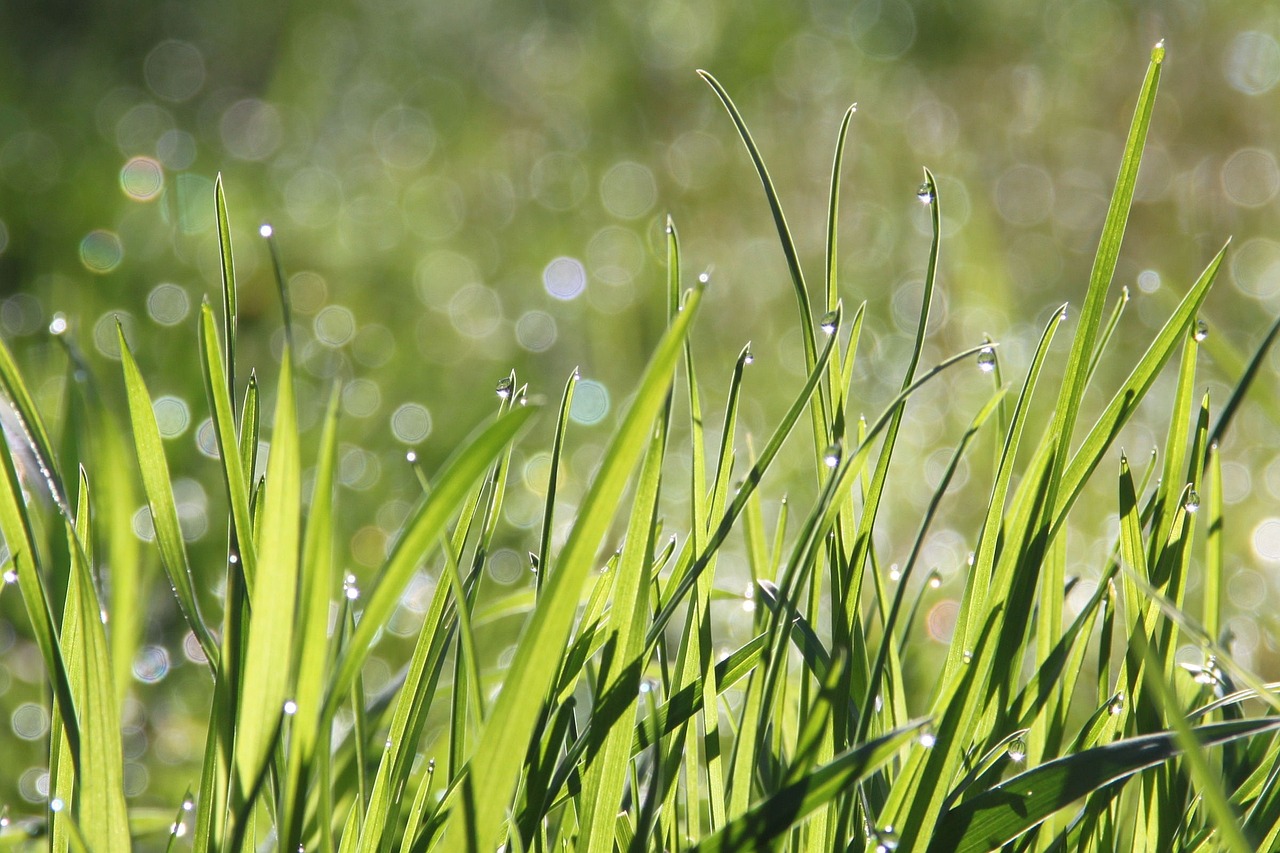
drop of dew on every blade of grass in the meadow,
as far as the eye can see, into the dusk.

 Jaan Kaplinski, 1940 – 2021, Estonian poet, philosopher and cultural critic, The wonder is