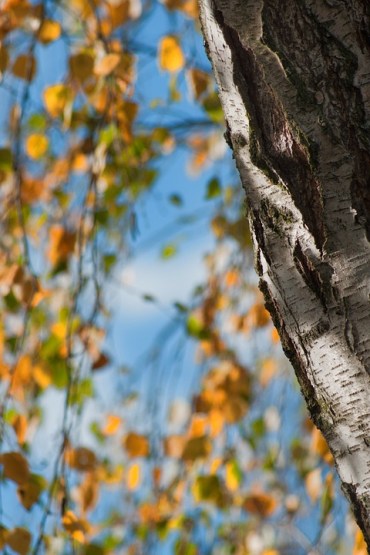
Don’t prolong the past,
don’t invite the future,
don’t be deceived by appearances,
just dwell in present awareness.
Patrul Rinpoche
Don’t prolong the past,
don’t invite the future,
don’t be deceived by appearances,
just dwell in present awareness.
Patrul Rinpoche
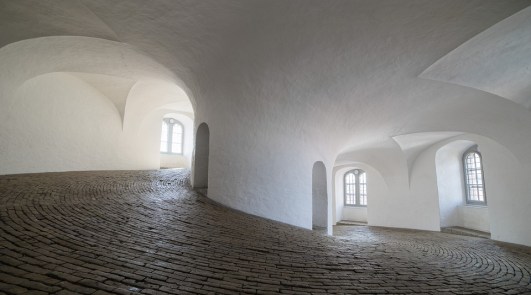
To see the empty nature of mind is liberating. It’s like a room full of furniture. Originally the room is empty. The furniture is brought in piece by piece. The person living there knows that anything they brought into the room can also be taken out — chairs, beds, tables, and so on. Similarly anything brought into the mind by prior causes and conditions can be taken out — afflictive emotions… all kinds of suffering. Nothing is stuck. This empty nature is the direct route to freedom. Once we know it, it is only a question of doing the work. As Suzuki Roshi put it, “People who know the state of emptiness will always be able to dissolve their problems by constancy.” Constancy here means continuing with our practice of right effort. Once we know the peace of an empty mind, we only need to keep letting go of the sources of suffering. The field of awareness, like vast space, is intrinsically empty.
Guy Amstrong, in his new book, Emptiness, A Practical Guide for Meditators

If you don’t like something, change it.
If you can’t change it, change your attitude.
Don’t complain.
Maya Angelou

Very foggy here in Ireland this morning. Autumn starts early – a “season of mists and mellow fruitfulness“
It is more about seeing the moments of joy that are already there rather than having to work hard at creating them.
We are put on earth a little space,
That we may learn to bear the beams of love.
William Blake
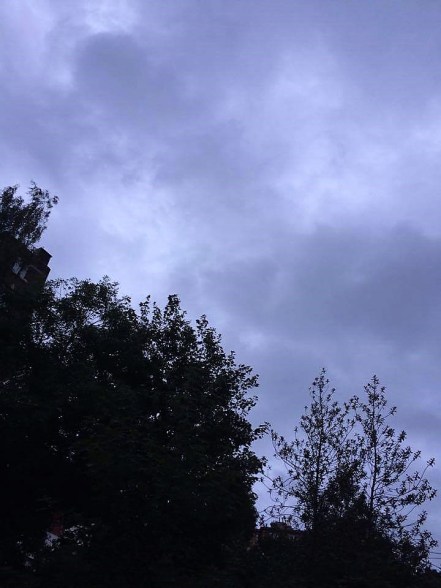
Your up and down emotions are like clouds in the sky;
beyond them, the real, basic human nature is clear and pure.
Lama Zopa Rinpoche

There is nothing I dislike
Linji, died 866, founder of the Rinzai school of Zen
In Zen, koans or phrases such as this are taken on and allowed sink into consciousness to challenge and stretch us and provoke responses other than our habitual ones. Two commentaries by different authors might be useful:
What does that mean, to dislike? Dislike could mean that you are feeling a strain between how things really are and your story about how things are.
John Tarrant, Bring me the Rhinoceros (and other koans to bring you joy).
‘There is nothing I dislike’ rearranges us profoundly, when we offer ourselves to its energy, its scrutiny, its disturbance in us. This practice is not about tidying up the world and making it clean and bright; it’s about recognizing the world as it is and finding right there the radical freedom of being. The alternative is a kind of carefully scaled-down life. One that is still extravagantly rich in detail and variety and shot through with beauty despite all our efforts, since we live on the blue-green planet, but a scaled-down view of what it was we really wanted while we were here, so very briefly.
Susan Murphy, Upside-Down Zen

