
Suppose we did our work
like the snow, quietly, quietly.
leaving nothing out.
Wendell Berry
photo rod allday
Suppose we did our work
like the snow, quietly, quietly.
leaving nothing out.
Wendell Berry
photo rod allday

We are having a strange mix of weathers this year in Ireland. Daffodils already in bloom, buds on the trees, followed by snow and sleet yesterday, and having to avoid large puddles when getting out of the car. Good practice in celebrating little moments of beauty amid everyday changes
In the scenery of spring,
we can’t say one thing is better, the other worse;
The flowering branches are
of themselves, some are short, some others long.
Ryōkan, 1758 – 1831
photo light snow on Lough Dan in Wicklow by bea&txm

We spend great energy in mental processes wishing things were different than they are. Wishing the traffic jam didn’t exist. Wishing the boss were a little nicer, wishing our children would take our advice, wishing, wishing, wishing. Acceptance is a key to a happier life. If we can just try to accept what is, and that wanting otherwise is often wasted energy, we will be happier. We would be better able to experience the moment more fully with this state of mind.
William Berry
photo AnRo0002

Let your mind wander in the pure and simple.
Let all things take their course
Chuang Tzu c 370 – 300 BC

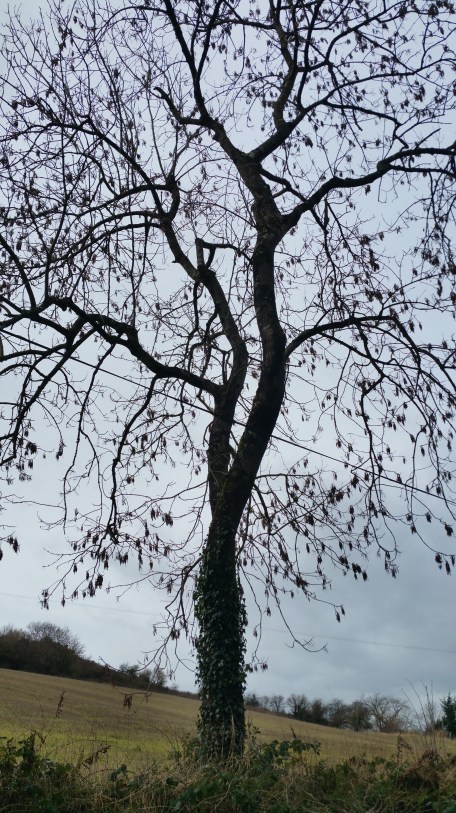
How surely gravity’s law,
strong as an ocean current,
takes hold of even the strongest thing
and pulls it toward the heart of the world.
Each thing – each stone, blossom, child – is held in place.
Only we, in our arrogance,
push out beyond what we belong to
for some empty freedom.
If we surrendered
to earth’s intelligence
we could rise up rooted, like trees.
Instead we entangle ourselves
in knots of our own making
and struggle, lonely and confused.
So, like children, we begin again
to learn from the things,
because they are in God’s heart;
they have never left him.
This is what the things teach us: to fall,
patiently trusting our heaviness.
Even a bird has to do that
before he can fly.
Rainer Maria Rilke, Book of Hours, II, 16

