Everyday hassles

File:029-bsod Windows 2000.jpg

The subtle suffering in our lives may seem unimportant. But if we attend to the small ways that we suffer, we create a context of greater ease, peace, and responsibility, which can make it easier to deal with the bigger difficulties when they arise.

Gil Fronsdal, Living Two Traditions

Seeing our attachments

File:Sand castle, Cannon Beach.jpg

Most practice gets caught in the area of fiddling with our environments or our minds. ” My mind should be quiet”. Our mind doesn’t matter; what matters is non-attachment to the activities of the mind. And our emotions are harmless unless they dominate us – that is, if we are attached to them – then they create dis-harmony for everyone. The first problem in practice is to see that we are attached. As we do consistent, patient practice we begin to know that we are nothing but attachments; they rule our lives. But we never lose an attachment by saying it has to go. Only as we gain true awareness of its true nature does it quietly and imperceptibly wither away; like a sandcastle with waves rolling over, it just smooths out and finally Where is it? What was it? …

Charlotte Joko Beck

photo curt smith

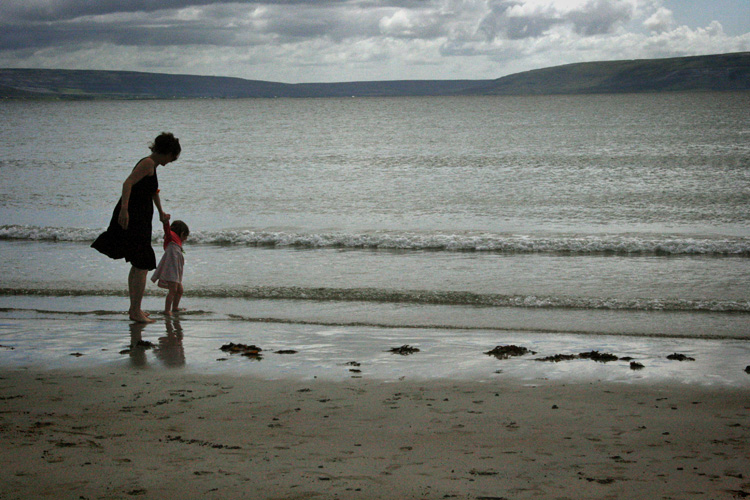
An ocean of fear

seas

Fear and anxiety evolved to keep us from physical danger. Our brains use the same mechanisms when it comes to emotional danger also, and depending on the upbringing we have, we can find that we expend a lot of energy each day dealing with fear. This underlying fear is not easy to work with; however, acknowledging it and becoming aware of our instinct to run away or cover it up with distractions, relationships and busyness, is a necessary starting point. We practice looking at what scares us and opening to all that life offers. We develop a greater compassion towards ourselves and our confidence can grow.

If we are honest with ourselves, most of us will have to admit that we live out our lives in an ocean of fear. 

Jon Kabat-Zinn

Holding things and oneself lightly

File:Lauma Grīva (2013 World Championships in Athletics) 01.jpg

The practice of mindfulness has as its overall goal the reduction of suffering and an increase in fullness in the totality of our lives. But in order for us to see the actual benefits now, whether here in Ireland or wherever you are reading this,  we need to practice it with the big and small moments of each day. This profound text indicates one way we do this. Mindfulness has a quality of not wobbling in the face of the different winds that blow us, the difficulties and changes which we face in our day-to-day living. Persistent practice allows us to hold ourselves more lightly, and not be as strongly fused with the story we maintain about how our lives should be or how certain moments in the day should go. One way of saying this is that we are not as attached, or not clinging, to outcomes, or to some fixed aspects of our identity. In this way changes and unexpected turnings do not bring the same dismay as once they did:

How do we arrive at non-agitation through non-clinging?

When the instructed person does not regard form with these words: “This is mine, this I am, this is my self.”

The form of his changes and alters,

but with the change and alteration of form,

sorrow, lamentation, pain, displeasure and despair do not arise.

The Buddha, S 22.8
photo dmitry rozhkov

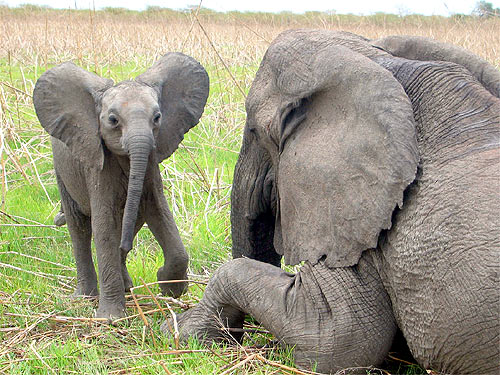
Grounded

elephants-2

Our bodies know they belong,
It’s our minds that make our lives so homeless.

John O’Donohue

An active state

out-of-focus-1

People of our time are losing the power of celebration. Instead of celebrating we seek to be amused or entertained. Celebration is an active state, an act of expressing reverence or appreciation. To be entertained is a passive state – it is to receive pleasure afforded by an amusing act or a spectacle…. Celebration is a confrontation, giving attention to the transcendent meaning of one’s actions.

Abraham Heschel