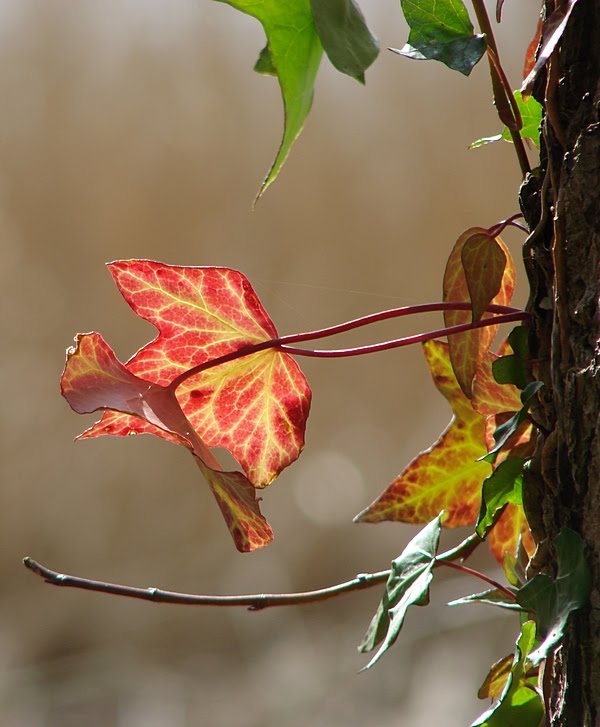
In Ireland the Gaelic name for October is Deireadh Fomhair, meaning the “last harvesting” – the last days of gathering whatever was planted earlier in the year. It marks a change in energy, a winding-down for those who work on the land as they prepare for the dark days of winter. For us too, it can be a moment to look back on the work we have done this year, the way we have expended our energy, on how we have used our time. So, as our focus naturally turns more inward, we can use it as a season to reflect and find our balance between our past and our future. We can take stock of what we are investing in and harvesting in our lives. We can begin to create space, recognizing unwise activity and busyness that only creates more distraction in our minds, keeping us running a lot but ultimately feeling more empty and less productive.
Naturally there are different species of laziness: Eastern and Western. Western laziness ……consists of cramming our lives with compulsive activity, so there is no time at all to confront the real issues. This form of laziness lies in our failure to choose worthwhile applications for our energy.We are so addicted to looking outside ourselves that we have lost access to our inner being almost completely. We are terrified to look inward, because our culture has given us no idea of what we will find. So we make our lives so hectic that we eliminate the slightest risk of looking into ourselves. Even the idea of meditation can scare people. When they hear the words egoless or emptiness, they think that experiencing those states will be like being thrown out the door of a spaceship to float forever in a dark, chilling void. Nothing could be further from the truth. But in a world dedicated to distraction, silence and stillness terrify us; we protect ourselves from them with noise and frantic busyness. Looking into the nature of our mind is the last thing we would dare to do.
Sogyal Rinpoche
 When you refrain from habitual thoughts and behavior, the uncomfortable feelings will still be there. They don’t magically disappear. Over the years, I’ve come to call resting with the discomfort “the detox period,” because when you don’t act on your habitual patterns, it’s like giving up an addiction. You’re left with the feelings you were trying to escape. The practice is to make a wholehearted relationship with that.
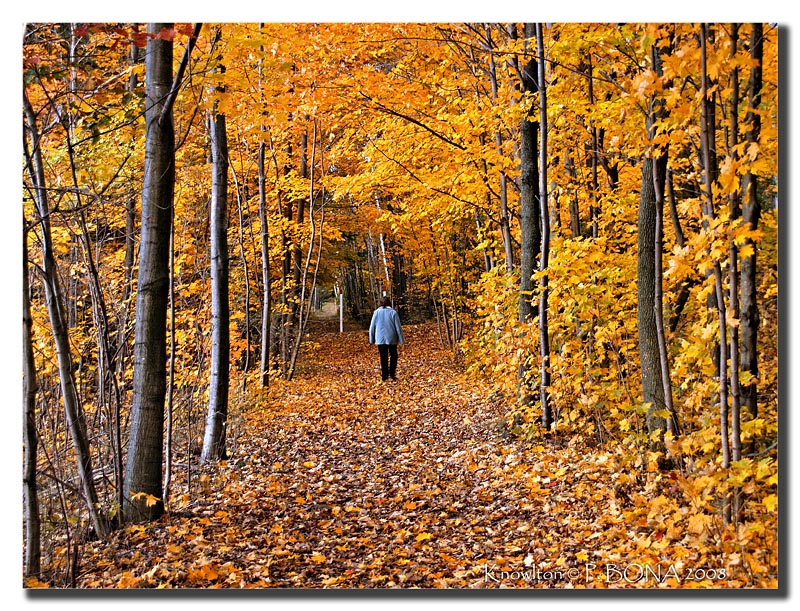
 Being silent doesn’t require being in a quiet place and it doesn’t mean not saying words. It means “receiving in a balanced, non-combative way what is happening”. With or without words, the hope of my heart is that it will be able to relax and acknowledge the truth of my situation with compassion.
 Sometimes you may think that to sit is very difficult. But when you are able to stop and be at peace it is very easy…While sitting I make almost no use of my intellect. I don’t try to analyze things or solve complex problems by thinking about them. Thinking requires strenuous mental work and makes us tired. This is not the case while resting in awareness, or recognizing thoughts and emotions as they appear, or even taking the time to look deeply into them. We have a tendency to think that meditation demands a great mobilization of grey matter, but that’s not really the case. Meditation is not hard labour. Meditation rests the mind