 Emotions are mixes of “felt senses” and activities. Witnessing them is helped by the simple fact that the body resonates with the moods and impulses that run through it. (When we’re angry we tense up and the heartbeat changes; when we’re loving and joyful, the body feels vibrant and so on). This resonance gives us a way of addressing the heart by addressing the bodily aspect, of steadying or relaxing the emotion by grounding attention in the body and simply breathing. So this gives us a handle on emotions and mind-states (like anxiety..) that can otherwise bowl us over. Referring to the body sense is valuable, because the body can’t fake or mask the feeling. And furthermore, through widening, easing and finding balance in the bodily sense, we turn on a sympathetic system that can bring the heart into true focus. This goes a lot deeper and works more effectively than the process of ‘me trying to sort my self out’ – an approach that leads to complexity, righteousness, force, defence and denial.
Ajahn Succitto, Meditation, A Way of Awakening


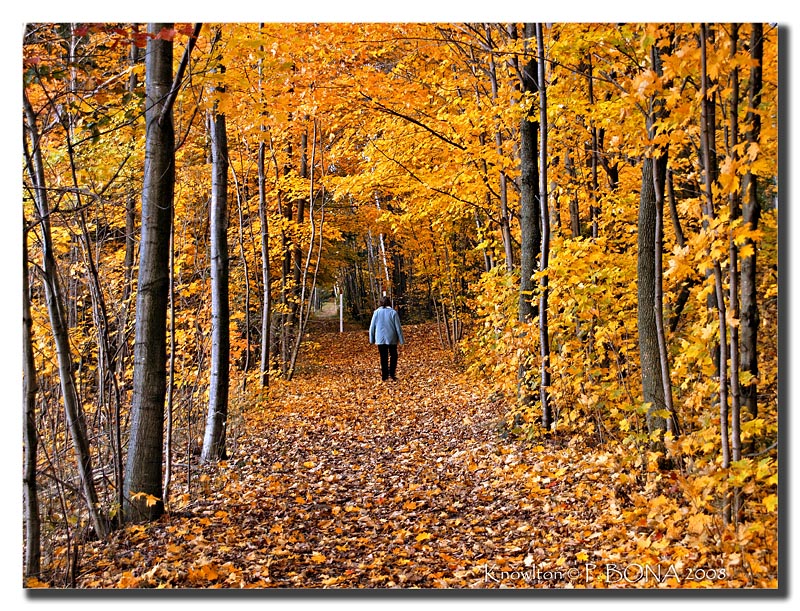
 Being silent doesn’t require being in a quiet place and it doesn’t mean not saying words. It means “receiving in a balanced, non-combative way what is happening”. With or without words, the hope of my heart is that it will be able to relax and acknowledge the truth of my situation with compassion.
 Sometimes you may think that to sit is very difficult. But when you are able to stop and be at peace it is very easy…While sitting I make almost no use of my intellect. I don’t try to analyze things or solve complex problems by thinking about them. Thinking requires strenuous mental work and makes us tired. This is not the case while resting in awareness, or recognizing thoughts and emotions as they appear, or even taking the time to look deeply into them. We have a tendency to think that meditation demands a great mobilization of grey matter, but that’s not really the case. Meditation is not hard labour. Meditation rests the mind

