Knowing oneself gently

File:Mmmmm lunch (4977315962).jpg

Dogen Zen-ji said, “To know yourself is to forget yourself.” We might think that knowing ourselves is a very ego-centered thing, but by beginning to look so clearly and so honestly at ourselves—at our emotions, at our thoughts, at who we really are — we begin to dissolve the walls that separate us from others. Somehow all of these walls, these ways of feeling separate from everything else and everyone else, are made up of opinions. They are made up of dogma; they are made of prejudice. These walls come from our fear of knowing parts of ourselves. There is a Tibetan teaching that is often translated as, “Self-cherishing is the root of all suffering.” It can be hard for a Western person to hear the term “self-cherishing” without misunderstanding what is being said. I would guess that 85% of us Westerners would interpret it as telling us that we shouldn’t care for ourselves….. But that isn’t what it really means. What it is talking about is fixating.

Pema Chodron, To Know Yourself is to Forget Yourself

photo U.S fish and wildlife service
Taking things personally

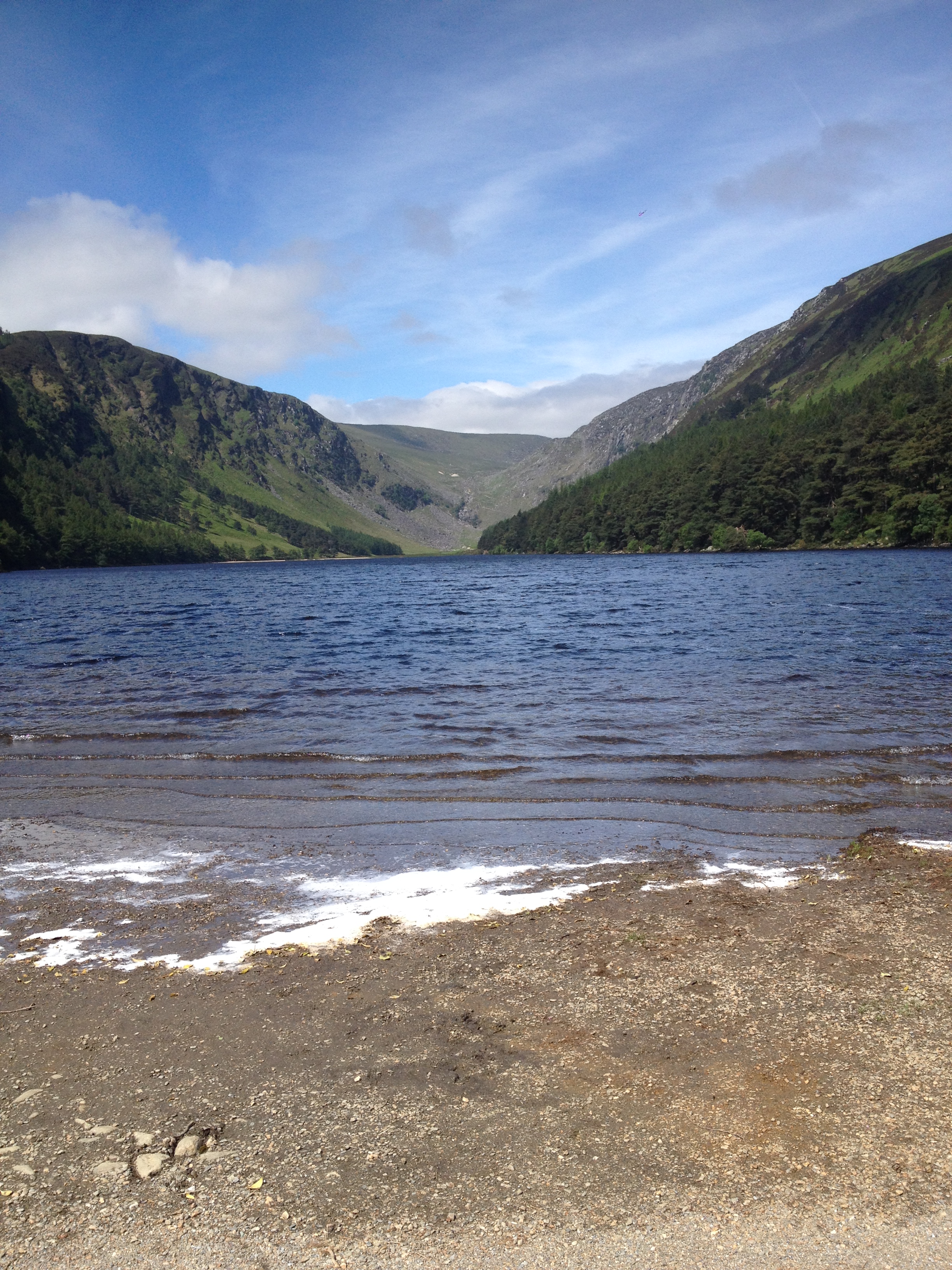
lakes

It’s true that different people have different mind stuff to work with, but essentially there comes about a realization that the core of the feeling of suffering comes from something we all do: we take things personally. And you can’t stop doing this simply as an idea. The practice involves cessation – letting go of “self” through directly knowing “self”. This must occur by feeling out and examining some pretty well-known positions ….”I cant do it” is one of them, and the list goes on through every kind of self-view about “I’m not worthy/good enough”, “It’s not good enough for me” ” I have a lot of karma to work out”…In the course of practice, all of these self-views come and go continually until gradually the realization of their impermanence begins to sink in.

Ajahn Sucitto, The Dawn of the Dhamma

Why we get no rest

File:Bismarck-spotted.jpg

The mind never stops looking for identity and  this identity always defines itself through attributes: “the beautiful  one”, “the smart one”, “the creative one”,  “the successful one”… We are always searching for something to be.

Dzigar Kongtrul,  Light Comes Through

Living in the present moment, not our fears

cropped-photo.jpg

Another way, which is our practice here, is slowly to open ourselves to the wonder of what life is,  by meticulous attention to the anatomy of the present moment. Slowly, slowly,  we become more sophisticated and knowledgeable…in this approach everything in our life becomes grist for the mill… as this anatomy becomes clear,  freedom increases.

Charlotte Joko Beck

Withdrawing permission

File:Tree still standing - geograph.org.uk - 964093.jpg

In standing still and receiving life with all its adversity and sorrow, you have withdrawn your permission for suffering to define your life. You have also withdrawn your consent to living in fear. Something profound happens in your heart when you turn with kindness toward all the circumstances of pain which you have previously repressed, dismissed or fled from. There is a softening, an opening, a deepening capacity and willingness to understand sorrow and its cause.

Christine Feldman, Compassion

photo shaun ferguson

….. A new month – another invitation to notice.

File:Goldfinches at Audubon Dodson Road Nature Trail.jpg

Oh do you have time
to linger
for just a little while
out of your busy

and very important day
for the goldfinches
that have gathered
in a field of thistles

for a musical battle,
to see who can sing
the highest note,
or the lowest,

or the most expressive of mirth,
or the most tender?
Their strong, blunt beaks
drink the air

as they strive
melodiously
not for your sake
and not for mine

and not for the sake of winning
but for sheer delight and gratitude –
believe us, they say,
it is a serious thing

just to be alive
on this fresh morning
in the broken world.
I beg of you,

do not walk by
without pausing
to attend to this
rather ridiculous performance.

It could mean something.
It could mean everything.
It could be what Rilke meant, when he wrote:
You must change your life.

Mary Oliver, Invitation

photo stevevoght