
Nothing we see or hear is perfect.
But right there in the imperfection
is perfect reality
Shunryu Suzuki-roshi
Nothing we see or hear is perfect.
But right there in the imperfection
is perfect reality
Shunryu Suzuki-roshi

Whether we are on the busy streets of New York or in the solitude of a mountain cave in Nepal, our happiness and contentment are completely in our own hands. Sitting meditation enables us to rest our mind in a present and cheerful way. When we sit, we make a direct relationship to the source of happiness. At the base of that experience is a quality of happiness, which is not a sense of giddiness, but of relaxation. Wherever we are, life is going to be coming at us. But if we use our lives as an opportunity to develop and enhance our mind, we will always be able to acknowledge that we are in a precious situation.
Sakyong Mipham Rinpoche
photo of Grafton st Dublin by Oliver Dixon

Don’t recall. Don’t imagine. Don’t Think. Don’t examine. Don’t control. Rest.
Tilopa ( 988–1069 } passed on this advice on mahāmudrā meditation to Naropa, his successor.
In the original Tibetan it contains just six words. The following translation attempts to tease out their full meaning:
Let go of what has passed.
Let go of what may come.
Let go of what is happening now.
Don’t try to figure anything out.
Don’t try to make anything happen.
Relax, right now, and rest.
Translation: Ken McLeod in Unfettered Mind
photo nevit dilman

No creature ever falls short of its own completion.
Wherever it stands it does not fail to cover the ground
Dogen
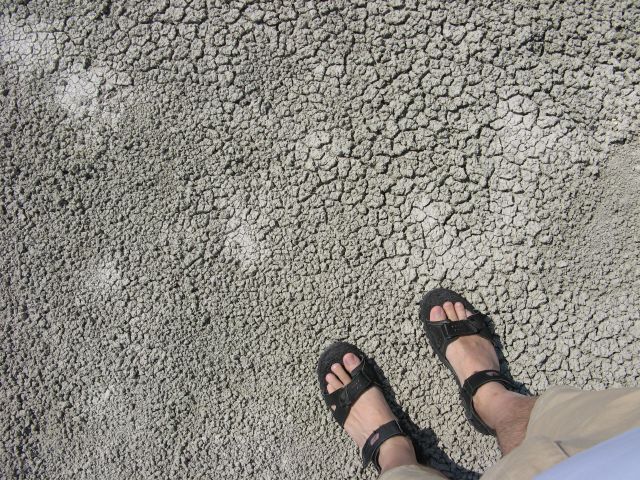
The death of the self may be full of the fear of letting go, of stepping off into the void, thinking that nothing will stop our fall, not recognizing that the void is our true nature. The void is the vastness in which we are occurring, it is the truth itself, and the whole idea of “someone” stepping off is just another bubble passing through. And we don’t any longer need to define who we are, because who we become each moment is so much more than what we ever imagined. There’s no need to limit who we really are with any definition. We are all of it. And only the contents of this vastness of mind, once identified with as a separate self, limit who we are.
Steven Levine, A Gradual Awakening

We just need to remember to practice relaxing into our life, in all its joys and sorrows, and to relinquish the need to know what’s going to happen next. The third element of patience is acceptance of the truth, meaning that we accept our experience as it is – with all its suffering – rather than how we want it to be. We recognize that because our experience is continually changing, we don’t need it to be different than it is. This acceptance of “things as they are” requires profound wisdom and compassion, which takes a long time to evolve; we must therefore develop a long-enduring mind that will enable us to understand time from a radically new perspective.
Michele McDonald, Finding Patience

