
Do not pursue the past.
Do not usher in the future.
Rest calmly within present awareness,
clear and non-conceptual
Basic meditation guidance in
The Ocean of Definitive Meaning by Karma Wangchûg Dorjé (1556 – 1603)
Do not pursue the past.
Do not usher in the future.
Rest calmly within present awareness,
clear and non-conceptual
Basic meditation guidance in
The Ocean of Definitive Meaning by Karma Wangchûg Dorjé (1556 – 1603)

Today the Christian Liturgy starts to sing the O Antiphons – ancient prayers and aspirations, used over the centuries in the days before Christmas. The first of them wishes that we may grow in wisdom at this time of year around the Winter Solstice, when the days are shorter and nature quietens down, and we reflect on the priorities in our lives. In many old traditions, wisdom was a quality in the person which was so desired and special that it was seen as coming down from above. It was greatly treasured – the best gift one could get in these days – because it gives a perspective and purpose to life and led to contentment.
It is good for us to remember these things when the talk is all about gifts, and getting, and happiness. Mindfulness meditation has two aspects – it grounds us first and then leads us into a felt insight into the marks of reality, namely, that it is always changing and that even the importance we give to ourselves is a constructed, fluid one. This wisdom or perspective is worth cultivating, as it tunes us into a deeper happiness, helping us to maintain our personal boundaries and not overstretch ourselves. It helps us to not link busyness or constant doing with our sense of worth, and stops us filling our days with so much activity that we have no space to sense whether we are truly fulfilling our deepest needs. Real contentment comes from within – from getting a balance in our lives and seeing things clearly.
O Wisdom, coming forth from the mouth of the Most High,
reaching from one end to the other,
and softly putting order in all things:
Come and teach us the way of balance.

Today is the Third Sunday of Advent, traditionally known as Gaudete Sunday, or “Be Happy” Sunday. In practical, day-to-day terms, this starts from a mind that stops struggling with reality and one that realizes that it a moment does not have to be perfect for it to be complete. We do not need everything sorted out in our lives for them to be happy.
When we are using this term ‘basic goodness,’
we are talking about our inherent completeness.
Sakyong Mipham Rinpoche
Happiness is accepting and choosing life, not just submitting grudgingly to it. It comes when we choose to be who we are, to be ourselves, at this present moment of our lives; we choose life as it is, with all its joys, pain, and conflicts. Happiness is living and seeking the truth, together with others in community, and assuming responsibility for our lives and the lives of others….We are not just seeking to be what others want us to be or to conform to the expectations of family, friends, or local ways of being. We have chosen to be who we are, with all that is beautiful and broken in us. We do not slip away from life and live in a world of illusions, dreams, or nightmares. We become present to reality and to life so that we are free to live according to our personal conscience, our sacred sanctuary, where love resides within us and we see others as they are in the depth of their being.
Jean Vanier

In the MBSR group last night in Moone we were talking about how each day we are confronted with new experiences and challenges – unexpected deadlines, getting a parking ticket, the wind bringing down trees. We can be faced with changing feelings and attitudes, moods and emotions. However, as we said, it is not so much the experiences in our life that are crucial but how we relate to our experiences. Through sitting we are nourishing something that does not change – our awareness – which allows us say, as Tara Brach suggested yesterday, “This too”:
The water in the stream may have changed many times,
but the reflection of the moon and the stars remains the same.
Rumi
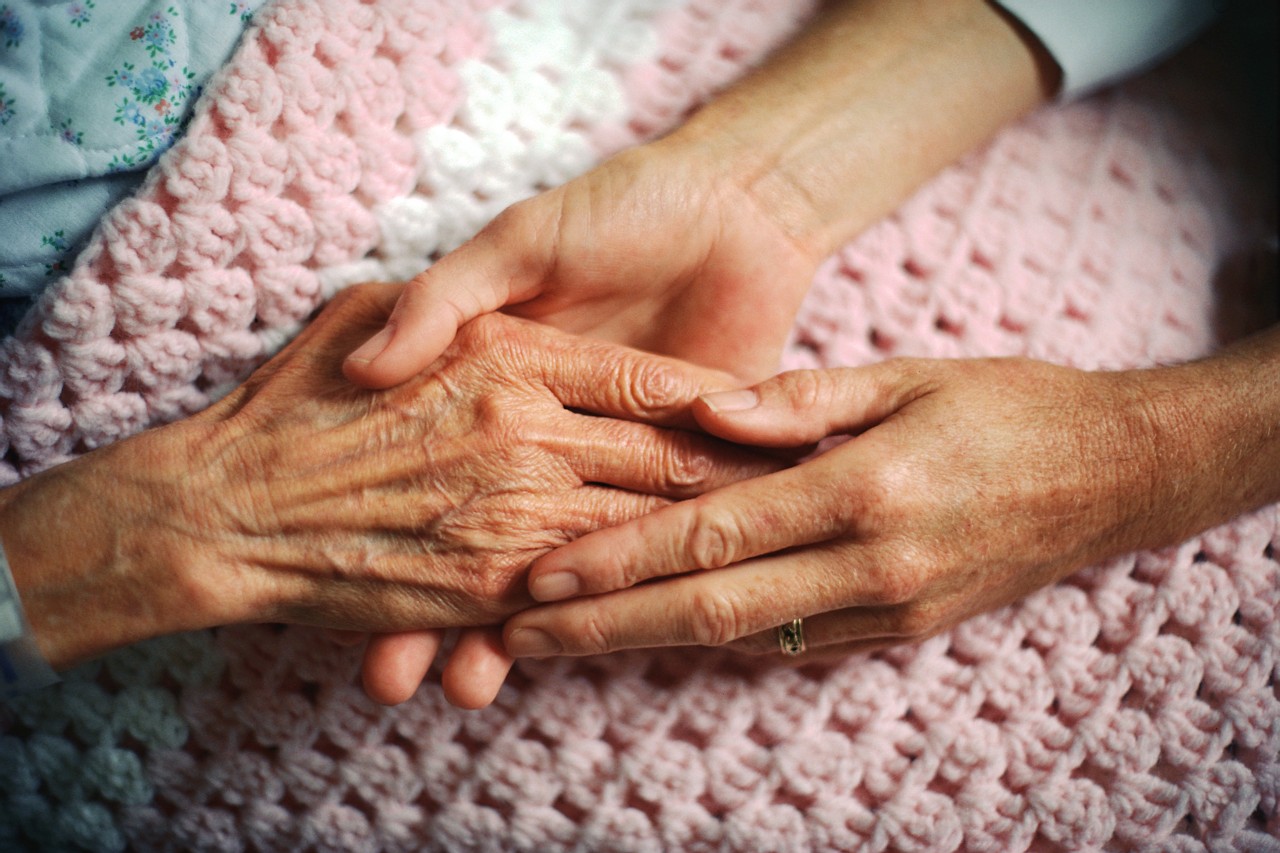
We are all substantially flawed, wounded, angry, hurt, here on Earth. But this human condition, so painful to us, and in some ways shameful – because we feel we are weak when the reality of ourselves is exposed – is made much more bearable when it is shared, face to face, in words that have expressive human eyes behind them.
Alice Walker, Letter to President Clinton
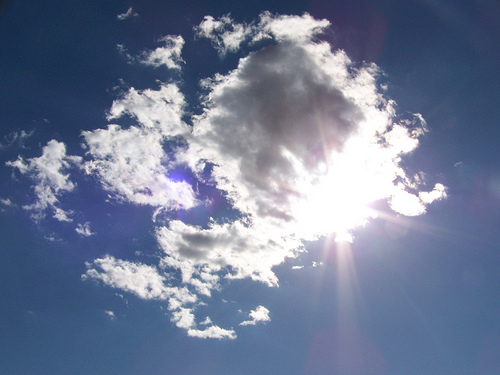
Clouds draw water from the ocean to fall as rain on the earth
And there is neither increase nor decrease;
Just so, reality remains unaltered like the pure sky.
Saraha, 8th century Buddhist teacher

