A place of awareness

Stop Running

We know how to become, but we don’t know how to stop.

We are not used to stopping.

Stopping is the practice of learning how to take the points of when you feel the mind moving and proliferating

and coming back to a place of awareness.

Ajahn Passano , On Becoming and Stopping

A verb not a noun

buttercup-field

Describing mindfulness or awareness leads to the wrong attitude.

Terms like ‘wake up’, ‘awakening’ or ‘pay attention’ are not definitions;

they are suggestions to trust in this moment, to be present, to be here and now.

Ajahn Sumedho, Don’t Take Your LIfe Personally.

Why we like speed

File:Lotta Fives (2440069678).jpg

Speed in work has compensations. Speed gets noticed. Speed is praised by others. Speed is self-important. Speed absolves us. Speed means we don’t really belong to any particular thing or person we are visiting and thus appears to elevate us above the ground of our labors. When it becomes all-consuming, speed is the ultimate defense, the antidote to stopping and really looking. If we really saw what we were doing and who we had become, we feel we might not survive the stopping and the accompanying self-appraisal. So we don’t stop, and the faster we go, the harder it becomes to stop. We keep moving on whenever any form of true commitment seems to surface.

David Whyte

No feeling is final

File:Love - Engagement.jpg

Let everything happen to you: beauty and terror.
Just keep going. No feeling is final.
Don’t let yourself lose me.

Nearby is the country they call life.
You will know it by its seriousness.

Give me your hand.

Rilke, Book of Hours, I

photo April Killingsworth

A genuine life

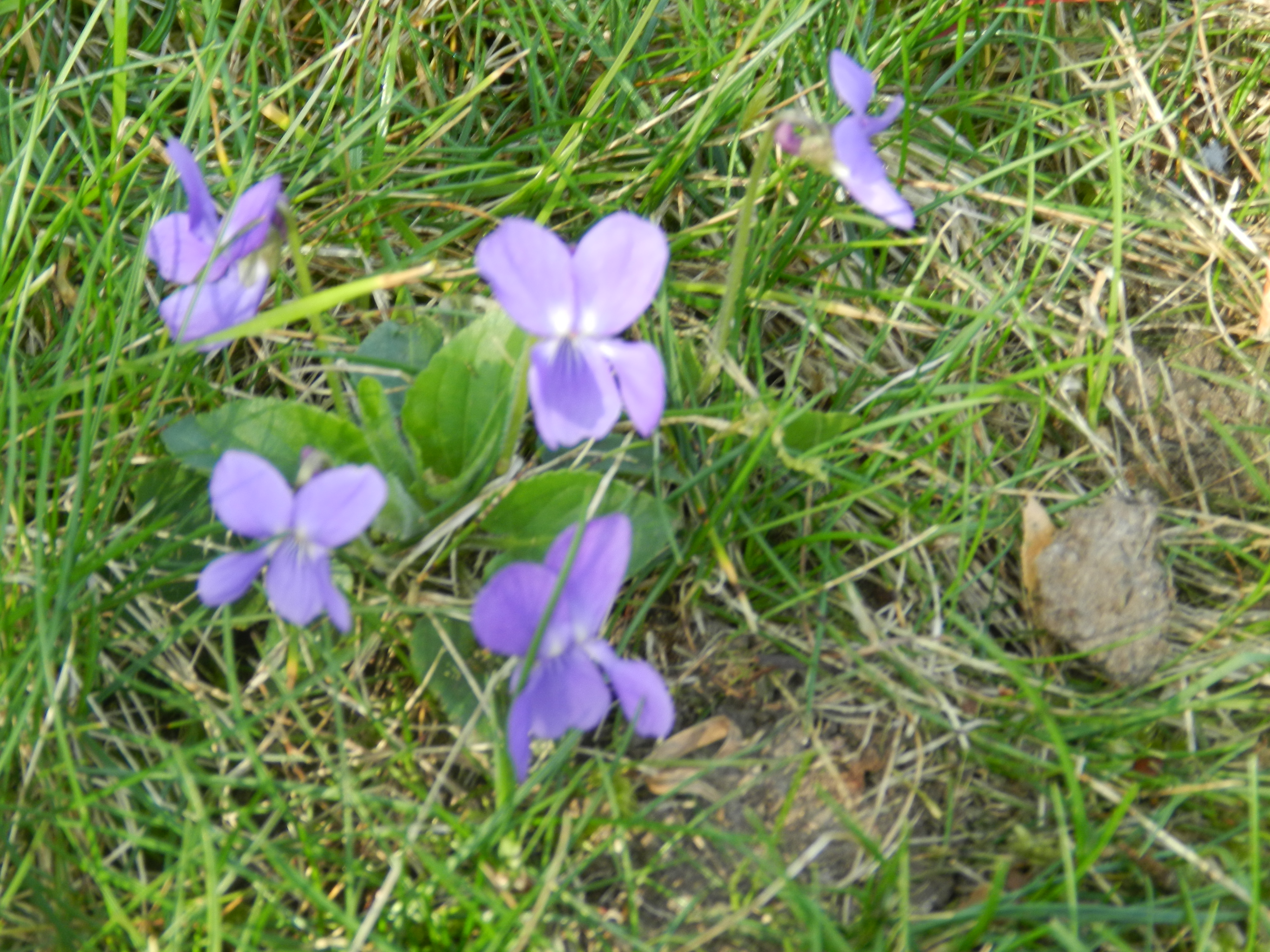
DSCN0438

How much of the day are you aware – just basically aware of what life is presenting – rather than being lost in waking sleep, in being identified with whatever you’re doing, almost as if you didn’t exist?How much of your energy is used to fortify a particular self-image, or to simply please others in order to gain approval, instead of devoting your energy to living a genuine life?

Ezra Bayda, At Home in the Muddy Water

Not postponing life to the future

File:Contemporary wabi-sabi tea bowl.jpg

Over a lifetime, the obvious becomes inescapable: we will never achieve any ideal of perfection — either physical, mental, or spiritual — other than the realization of the perfection of who we already are, blemishes and all. And what is true for us is true for anyone, however glowing their life may seem to our eyes. We are, all of us, no more and no less than wonderfully ordinary, imperfect mortals. So why not give ourselves a break?  …In Japan there is an entire worldview that appreciates the value of the imperfect, unfinished, and faulty. It’s called wabi sabi. The first term refers to something simple and unpretentious, and the second points to the beauty that comes with age. Wabi sabi is the aesthetic view that underlies Japanese art forms like tea ceremony and ceramics. It’s an aesthetic that sees beauty in the modest and humble, the irregular and earthy… Knowing the extent of our limitation, feeling our soon-not-to-be-hereness in our bones, is the best condition we can have for waking up to the miracle that we are here now. That is the brilliance of the human design plan; the built-in “defect” is the very thing that can spur us to drink down the full draught as it comes to us. Better to taste this gritty, imperfect life we have than to defer it to some more perfect future that will never come.