Splitting, blaming, doesn’t help

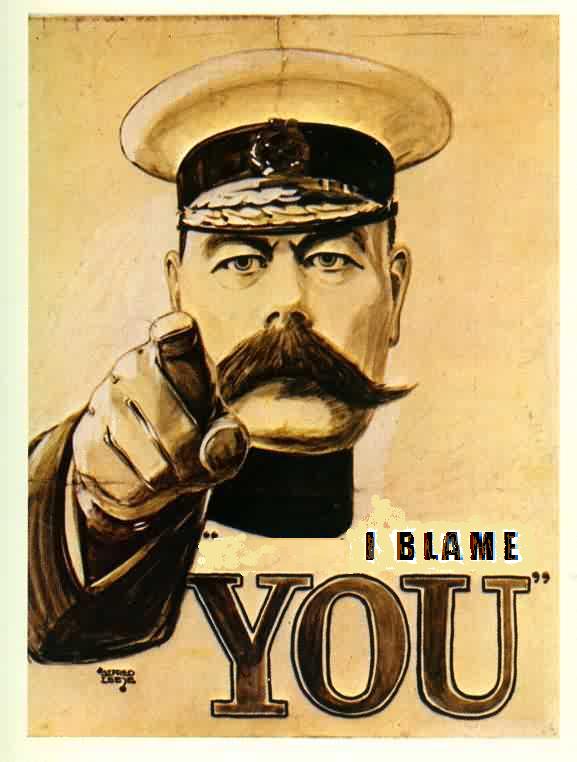
If we think of suffering as something unnatural, something that we shouldn’t be experiencing, then it’s not much of a leap to begin to look for someone to blame for our suffering. If I’m unhappy, then I must be the victim of someone or something – an idea that’s all too common in the West. The victimizer may be the government, the educational system, abusive parents, a ‘dysfunctional family,’ the other gender or our uncaring mate. Or, we may turn the blame inward: there’s something wrong with me, I’m the victim of disease, of defective genes perhaps. But the risk of continuing to focus on assigning blame, and maintaining a victim stance, is the perpetuation of our suffering – with persistent feelings of anger, frustration, and resentment.

Dalai Lama
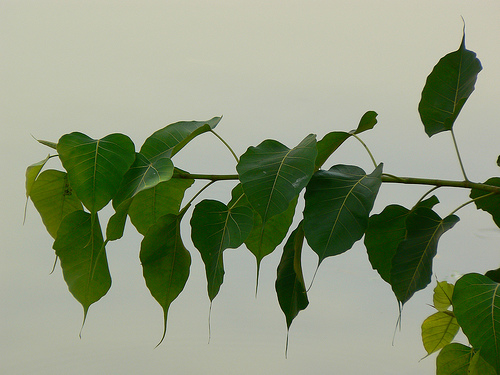
Human beings, not human doings

I have merged, like the bird, with the bright air,

And my thought flies to the place by the bo-tree.

Being, not doing, is my first joy.

Theodore Roethke.  American poet

Where joy comes from

Joy seems to be part of an unconditional wish to live, not holding back because life may not meet our preferences or expectations. Joy seems to be a function of the willingness to accept the whole  and to show up and meet with whatever is there. It has a kind of invincibility that attachment to any particular outcome would deny us. This willingness to win or lose moves us out of an adversarial relationship to life and into a powerful kind of openness. From such a position we can make a greater commitment to life. Not only pleasant life or comfortable life, or our idea of life, but all life. Joy seems more closely related to aliveness than to happiness.

Rachel Naomi Remen, Kitchen Table Wisdom

The basic practice

The basic practice is how to enjoy — how to enjoy walking and sitting and eating and showering. It’s possible to enjoy every one, but our society is organized in such a way that we don’t have time to enjoy. We have to do everything too quickly…. There are two things: to be and to do. Don’t think too much about to do — to be is first. To be peace. To be joy. To be happiness. And then to do joy, to do happiness — on the basis of being. So first you have to focus on the practice of being. Being fresh. Being peaceful. Being attentive. Being generous. Being compassionate. This is the basic practice.

Thich Nhat Hahn

This will never come again

That it will never come again, Is what makes life so sweet. Emily Dickenson

What exactly is Emily Dickenson writing about. She’s writing about just this.  This wonderful, clear, bright, blue day. It won’t come again. There will be other, very similar days, no doubt. But this day will not return. And you sitting here reading this, you will not sit down in this same way, with these same thoughts and feelings. None of this will be the same again. Even as you set down this book and leave the room, you’ll not be the person who walked in. This will never come again. This is always the case. That this will never come again is what it actually means to be born again and again. We and indeed the whole world are born repeatedly, over and over, in each new moment…What makes human life – which is inseparable from this moment – so precious, is its fleeting nature.

Steve Hagan, Buddhism is Not what You Think

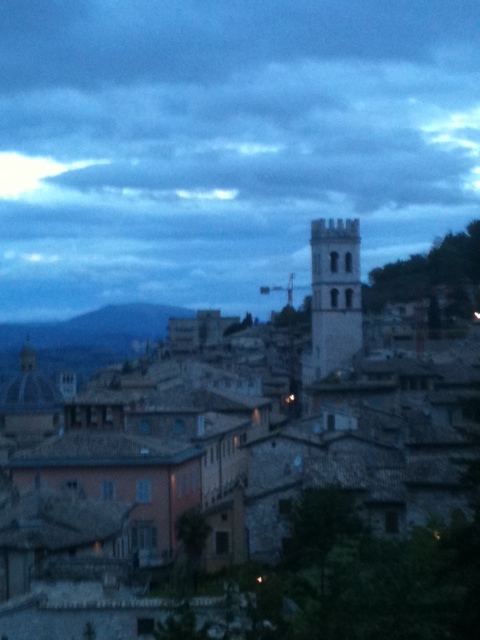
Photo : Assisi, Early Morning, Easter

One time, one meeting

There is a phrase which is associated  with the Japanese tea ceremony  –  Ichigo ichie  – which means something like “one time, one encounter.” . It is a nice motto to take for today. It reminds us to treasure every moment, because each moment and each  meeting will happen only once and never recur again. So whether having a simple cup of tea or coffee, or meeting someone we know well, or going a familiar way,  let us try to keep the phrase in mind. We will not pass this way again.