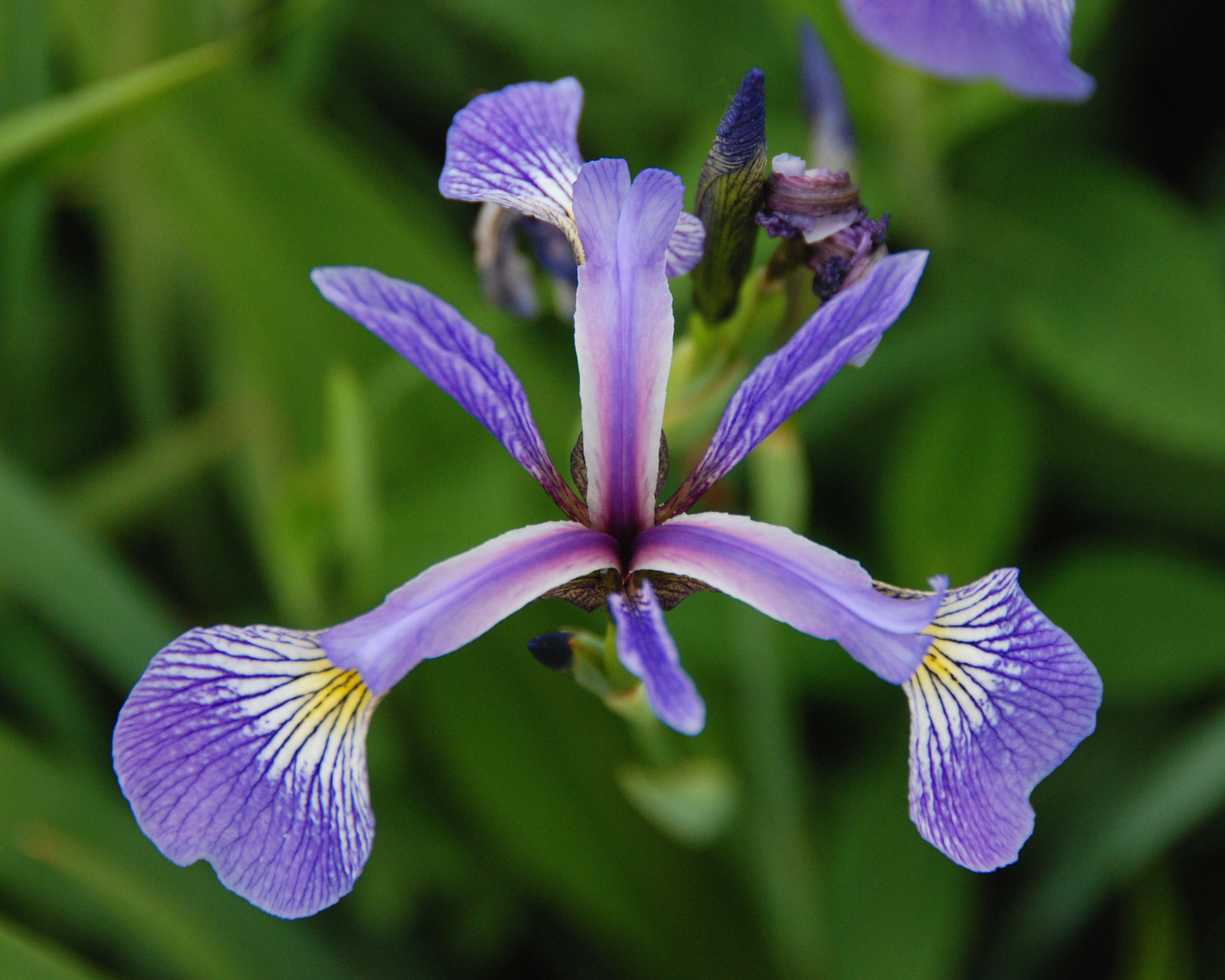
What in your life is calling you,
When all the noise is silenced,
The meetings adjourned…
The lists laid aside,
And the Wild Iris blooms
By itself
In the dark forest…
What still pulls on your soul?
Rumi
What in your life is calling you,
When all the noise is silenced,
The meetings adjourned…
The lists laid aside,
And the Wild Iris blooms
By itself
In the dark forest…
What still pulls on your soul?
Rumi
 Chogyam Trungpa Rinpoche talked about mindfulness meditation as a process of “touch and go.” “Touch” means really acknowledging, really appreciating, the texture of a particular mental content, not just bouncing off of it. It is the difference between a gentle squeeze and a superficial tap. This touching, acknowledging, appreciating, is the seed for developing insight — a way of being present to phenomena that invites fresh meanings to emerge. Because Westerners tend to be more split off from the experiential body than people in more traditional cultures, the practice …..can facilitate our ability to touch genuinely what arises in the mind-heart in a non-discursive way. As Pema Chodron recently advised a questioner with doubts about her meditation practice, “There is a secret ingredient — direct, nonverbal experience.”
David Rome, Searching for the Truth that Is Far Below the Search
 One way to cultivate relaxation is through the practice of meditation. The practice of meditation has two elements: simplicity or peacefulness and insight, or clarity. The application of mindfulness allows us stop the world from spinning, by stopping the spinning of our own minds. This is the essence of the simplicity or peacefulness of shamatha. Then we can see the confusion. We can shine the light of vipassana, or clear seeing, on confusion, and that brings the clarity of seeing things as they are. When we begin to see the situation as it is, and when we begin to see our own minds clearly, we diffuse the panic. From this experience we have in meditation, we may begin to see how we can relax on the spot in the midst of the most difficult experiences in our lives.
Carolyn Rose Gimian, Smile at Fear.
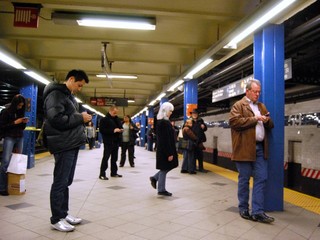 In a world of dwindling resources, where each person’s share of the physical realm decreases over time, it is no wonder that physical reality fails to satisfy. But thanks to the new, intimate, glowing handheld mobile devices, the unsatisfactory real world can be blotted out, and replaced with a cleansed, bouncy, shiny version of society in which little avatars utter terse little messages. In the cyber-realm there are no sweaty bodies, no cacophony of voices to suffer through — just a smooth, polished, expertly branded user experience.
While riding the subway through the Boston rush hour, I have been able to observe just how well these personal electronic mental life support units work in shielding people from the sight of their fellow-passengers…. with more and more people in obvious distress. By focusing all of their attentions on the tiny screen, they are also spared the sight of our well-worn and crumbling urban infrastructure. It is as if the physical world doesn’t really exist for them, or at least doesn’t matter. But as Masanobu Fukuoka put it, “If we throw Mother Nature out the window, she comes back through the door with a pitchfork,” and as we ignore the physical realm, the physical economy (the one that actually keeps people fed and sheltered and moves them about the landscape) shrinks and decays.
Dmitry Orlov
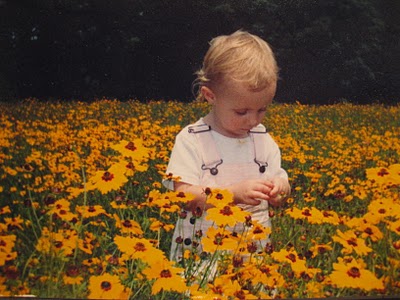
Exploring nature with your child is largely a matter of becoming receptive to what lies all around you. It is learning again to use your eyes, ears, nostrils, and finger tips, opening up the disused channels of sensory impression. For most of us, knowledge of our world comes largely through sight, yet we look about with such unseeing eyes that we are partially blind. One way to open your eyes to unnoticed beauty is to ask yourself, “What if I had never seen this before? What if I knew I would never see it again?
Rachel Carson, Ecologist , The Sense of Wonder.
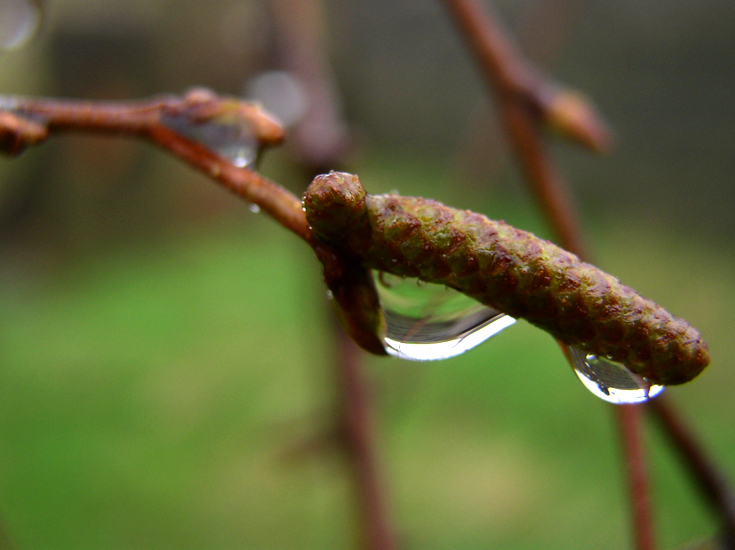 In the Christian calendar, November 2nd is the day set aside for remembering those who have died in the past year, as well as members of our own families who have died. The origins of this are probably found in the basic awareness of the approach of winter and the shortening of the days, which speak to us of change and the impermanence of all things. It also can help us reflect on the other losses and disappointments which have occurred this last year and in our lives. Such moments can provoke fear and anxiety in us. As we are reminded here, one way of working with fear is not to turn away from it, but to turn towards and rest with the sensation it raises in the body.
Leaning into suffering does not mean losing our balance and getting lost in suffering. Because our usual stance in relating to suffering is leaning away from it, to turn and face suffering directly serves as a correction. As we lean in, we are inviting, moving toward what we habitually resist…leaning in can help us become aware and free in the midst of our experience.
Tara Brach, Radical Acceptance

