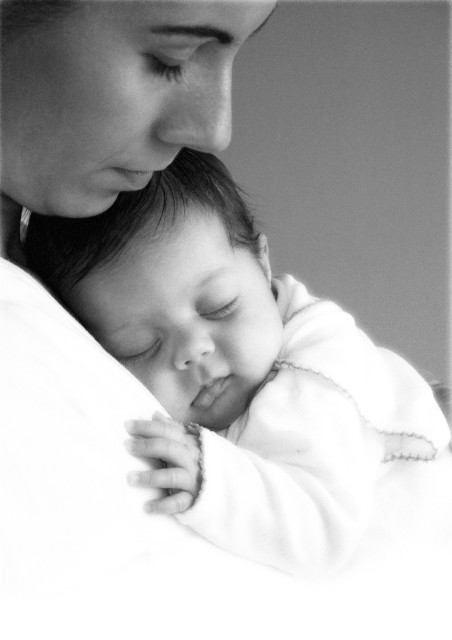
 All around the world the popular Christmas song, Stille Nacht/Silent Night is sung on this day. The German word stille has some deeper connotations than what is conveyed by the English word “silent”. It has its roots in the verb “stillen”, meaning to suckle, to quieten a child and put to rest. The mother feeds and comforts the hungry child so that it becomes calm and content, able to close its eyes and sleep. For us too, the calm which we all desire inside our hearts is related to our awareness of being safe, which allows us to become still inside.
As an adult, can we ever get back to this early awareness of calm? Maybe never fully, but there are some things we can do. It seems that this interior stillness is related to exterior quiet. It has been found that noise raises cortisol levels, the hormone related to stress and anxiety and that taking some quiet time lowers these levels. It has even been measured. Apparently 12 minutes of quiet will bring down cortisol levels in the brain and lay the foundation for calm. However, these days, this is not se easy to do. We are continually bombarded by noise: the TV, radio, iPods, mobile phones, and computers hardly stop for a second. We also live in an age of visual stimulation that leaves us craving louder and brighter, kinds of entertainment. These means that a lot of us are extremely uncomfortable with silence and have become so unfamiliar with it that even momentary periods of quiet are quickly filled with sound or anxiety.
And yet, we all long to silence the noisy chatter of our thoughts, the crying of our needs and emotions, and develop a place of quiet and calm within us. A place which is safe, away from the judgments, expectations and demands placed on us by our own critical mind or by others. At some times in our lives we find it relationships with others, or in the embrace of our family. However, what this day and all the wisdom traditions remind us, is that real, lasting peace is to be found within our hearts, a quiet space where nothing can harm us, untouched by all the stuff that others may wish to impose upon us. If we do not find that stillness within, it is hard to find it in the outside circumstances of our lives. Only when we have found this inner place of peace can we have contact with others without anxiety. We can rest, and be still, without fear of being hurt.
 As yesterday’s post said, people begin to look forward to the new year as an opportunity to start again. This is natural, but frequently does not lead to any real change, unless we understand the patterns within our own heart. Any lasting growth comes from an understanding of our heart, with all its needs and hopes, its vulnerabilities and wisdom. This means that we can drop all pretense and the need to blame others for what is lacking in our lives. In many cases the desire for change around this time is based on comparing our lives with others and feeling we are lacking. Instead of looking outward, we turn within and gently look forward – not based on fear of where we are now or criticism of this past year – but rather accepting who we are and opening to the new opportunities which will unfold.



 Mindfulbalance