 The practice of meditation leads us to seeing things as they really are. In other words, we come to appreciate the continual changing nature of things as they are directly experienced in the present, the patterns which are beneath our choices, and the way we react, without thinking, to certain factors. When we do not see clearly the nature of what drives us and the nature of reality as changing, we seek happiness in mistaken ways and in the wrong places. We can persist in unsatisfactory ways of behaving. When we have a “wrong view” as to how things are, we persist in thinking that certain behaviours will guarantee us satisfaction and we remain fixed in them. We mistakenly believe that absolute contentment can be found in things that we acquire or in the relative aspects of our lives which are subject to change and decay. This can be true in so many areas of our lives, some of which are hugely emphasized in today’s society, such as our career, possessions and our relationships.
Ordinary human love is always relative, never consistently absolute. Like the weather it is always in continual dynamic flux. It is continually rising and subsiding, waxing and waning, changing shape and intensity.
….This may seem totally obvious. Yet here’s the rub. We imagine that others – surely someone out there! – should be a source of perfect love by consistently loving us in just the right way. Since our first experiences of love usually happen in relationship to other people, we naturally come to regard relationship as its main source. Then when relationships fail to deliver the ideal love we dream of, we imagine something has gone seriously wrong. And this disappointed hope keeps reactivating the wound of the heart and generating grievance against others. This is why the first step in healing the wound and freeing ourselves from grievance is to appreciate the important difference between absolute and relative love.
John Welwood, Perfect Love, Imperfect Relationships
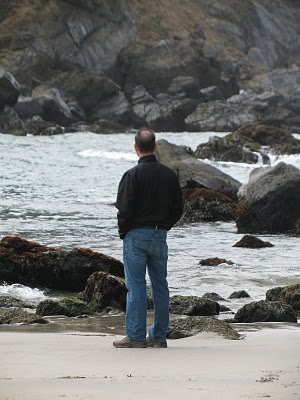
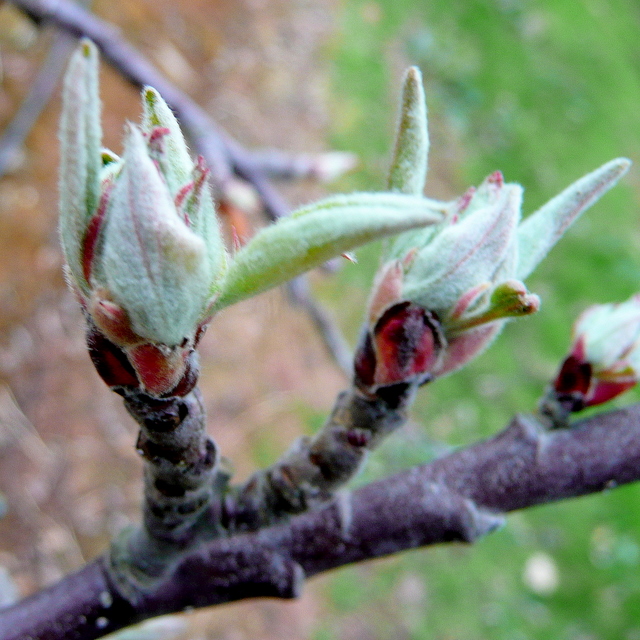
 When I am anxious or hurt I tend to instinctively react. I often move fast to blame and then make decisions which help me feel back in control. However, decisions made from fear are never our best decisions; fear is not our best friend. We risk throwing the baby out with the bathwater. A walk in nature shows us a different perspective, a gentler way to change. We learn to not act on the fear but to sit with it. We get some distance from the story that is making us feel defective and fearful.
 Mindfulbalance