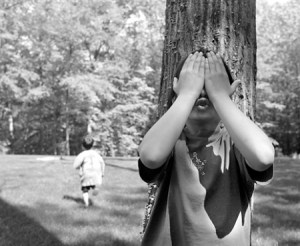
 Learn the alchemy true human beings know. The moment you accept what troubles you’ve been given, the door will open. Rumi
The irony of hiding the dark side of our humanness is that our secret is not really a secret at all. How can it be when we’re all safeguarding the very same story? That’s why Rumi calls it an Open Secret. It’s almost a joke — a laughable admission that each one of us has a shadow self — a bumbling, bad-tempered twin. Big surprise! Just like you, I can be a jerk sometimes. I do unkind, cowardly things, harbor unmerciful thoughts, and mope around when I should be doing something constructive. Just like you, I wonder if life has meaning; I worry and fret over things I can’t control; and I often feel overcome with a longing for something that I cannot even name. For all of my strengths and gifts, I am also a vulnerable and insecure person, in need of connection and reassurance. This is the secret I try to keep from you, and you from me, and in doing so, we do each other a grave disservice.
Rumi tells us that moment we accept what troubles we’ve been given, “the door will open.” Sounds easy, sounds attractive, but it is difficult, and most of us pound on the door to freedom and happiness with every manipulative ploy save the one that actually works. If you’re interested in the door to the heavens opening, start with the door to your own secret self. See what happens when you offer to another a glimpse of who you really are. Start slowly. Without getting dramatic, share the simple dignity of yourself in each moment—your triumphs and your failures, your satisfaction and your sorrow. Face your embarrassment at being human, and you’ll uncover a deep well of passion and compassion. It’s a great power, your Open Secret. When your heart is undefended you make it safe for whomever you meet to put down his burden of hiding, and then you both can walk through the open door.
Elizabeth Lesser, The Open Secret
 We can always see ourselves in terms of what’s wrong with us as persons. There are always so many flaws and inadequacies. There is no perfect personality that I have ever noticed. Personality is all over the place. Some of it is all right and some of it is really wacky. There is no personality that you can take refuge in. You are never going to make yourself into a perfect personality. So when you judge yourself you find so many problems, inadequacies, flaws and weaknesses. Maybe you are comparing yourself to some ideal person, some unselfish and superlative personality. However, that which is aware of personality is not personal. These personality conditions arise and cease…. Your refuge is in this awareness rather than in trying to make yourself into an ideal man or woman – mature, responsible, capable, successful, “normal” and all the rest – these are ideals.


 Mindfulbalance