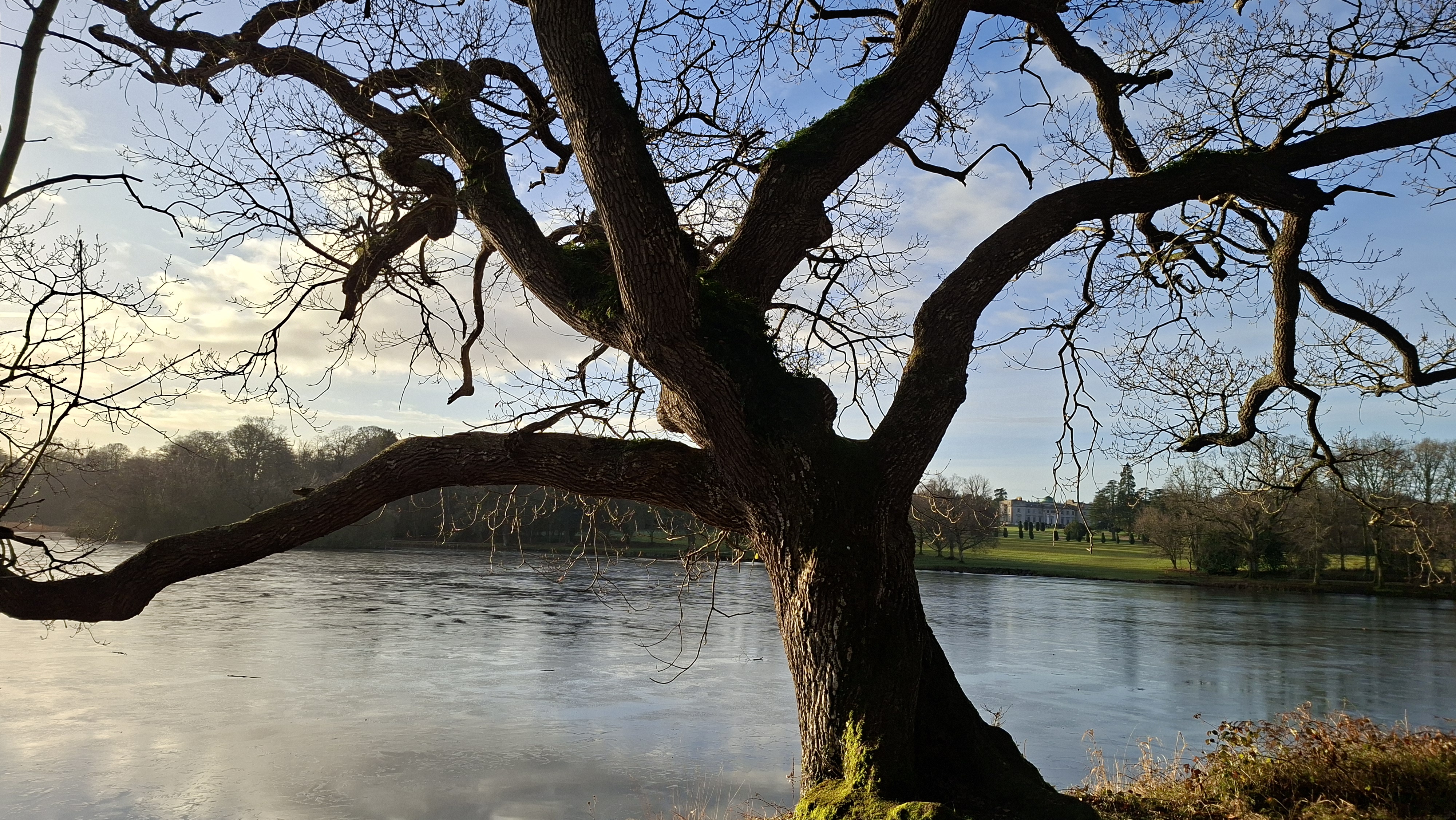
on my own crooked path.

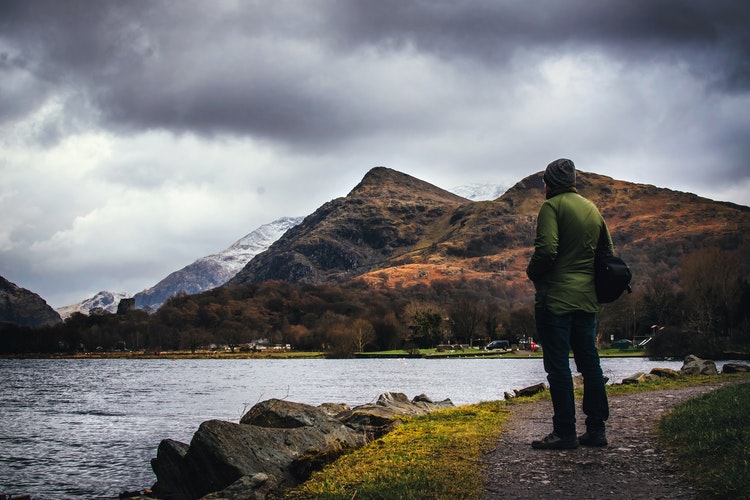
Mother Nature never moves in straight lines. She moves in curves and curlicues. Fact is, I love the many crooked trees that are growing everywhere. They look like they’ve fought for survival in a tough world. Like me. Like you. They grow both up and sideways, twisted and curved from battling the wind, the storms, or a gardener’s pruning shears.

Every time I see crooked roots and branches, I stop and pay attention. Static yet dynamic, fixed but moving every which way, such trees tell their life story. Their presence is a history book, just like ours. They grow upwards, yes, always up, but to the sides as well. “That’s me,” I acknowledge, as I move on.

In fact, maybe that’s all of us — reaching upward, trying to better ourselves and our conditions in many ways as we seek nourishment from above, but often forced to move to one side or another just to survive. We are shaped by our longings, by the facts of our lives, and by the force of the elements, including our own elemental desires.

Why do I think all this is so important? Because our efforts to succeed move us away from being who we truly are. In other words, let’s give up, just for today, insisting on how things OUGHT to be, and embrace how they really are. And how we are. That’s where real life is!

Patty de Llosa, Blogpost, Will We Ever Get It Straight?
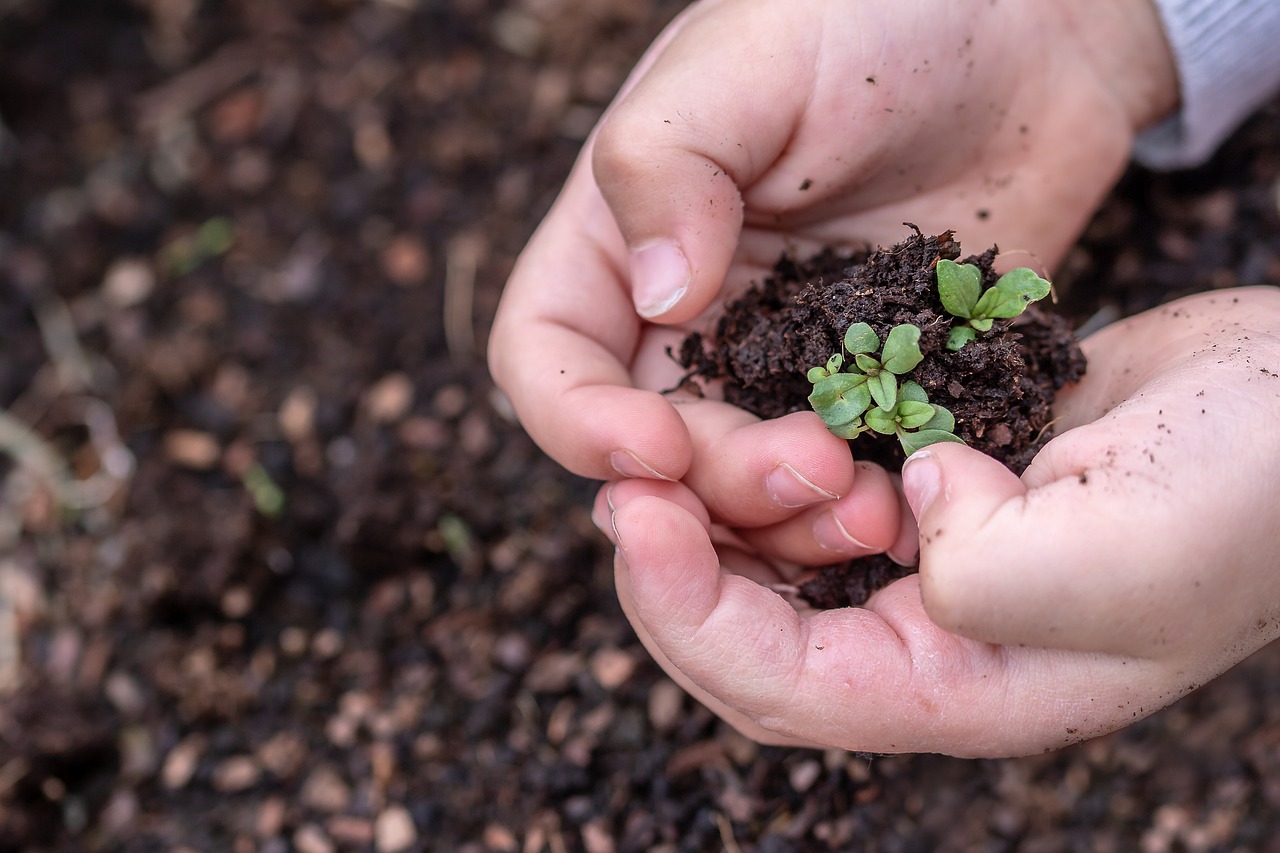
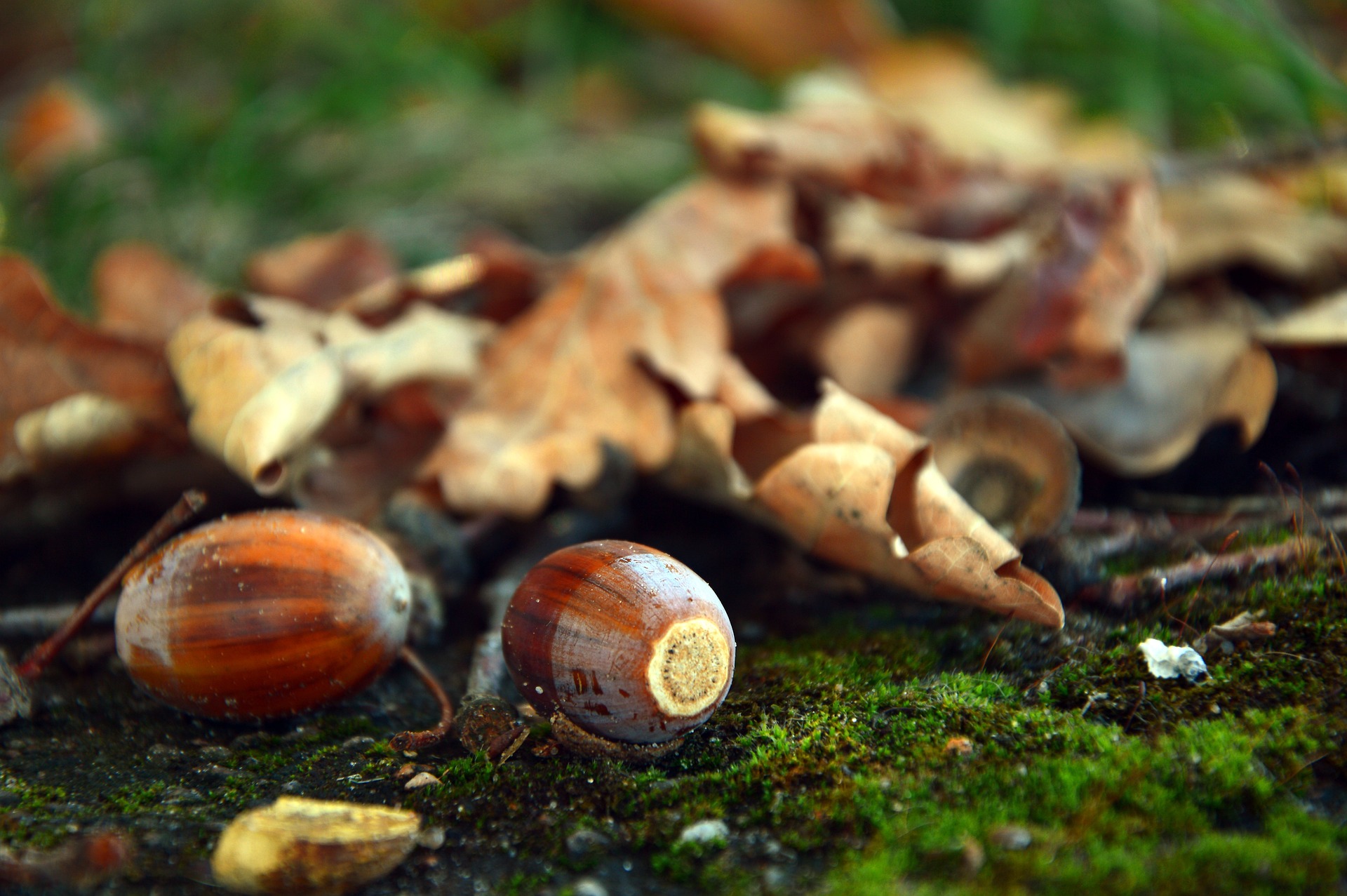
What are we nurturing?

The environment we create

will determine what prevails.

In other words, what we nurture and encourage wins

Jane Goodall, 1934 – English primatologist and anthropologist.

Enlargement

When stumped by a life choice, choose “enlargement” over happiness.

I’m indebted to the Jungian therapist James Hollis for the insight that major personal decisions should be made not by asking, “Will this make me happy?”, but “Will this choice enlarge me or diminish me?

Oliver Burkeman from his Guardian column

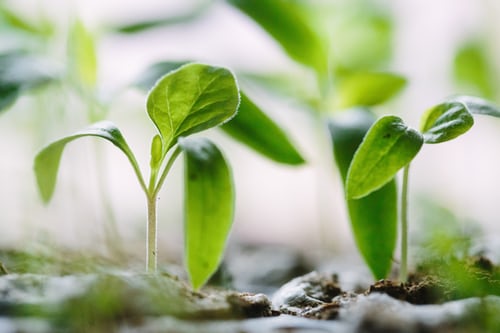
What wishes to grow?

Whatever wishes to grow within you —a curiosity, a talent, an interest —

is life seeking its expression through you. Our old desire for comfort, even happiness,

may prove an impediment. We are here a very short time.

Let us make it as luminous and as meaningful as we can.

Time to stop being afraid, and time to show up as yourself.

James Hollis, Living an Examined Life: Wisdom for the Second Half of the Journey

Incubation periods

Our psyches, like nature, need periods of rest and regeneration. Some overly positive psychological models have no place for the dips in mood or energy that are a normal part of life and which can be seen in the cycles of nature. We have to learn to not fear those moments when we do not feel completely in control, or when lose our sense of direction for a while.

There are moments in human life when a new page is turned. New interests and tendencies appear which have hitherto received no attention, or there is a sudden change of personality. During the incubation period of such a change we can often observe a loss of conscious energy: the new development has drawn off the energy it needs from consciousness. This lowering of energy can be seen most clearly …in the empty stillness which precedes creative work.

Jung, The Psychology of the Transference, CW 16.

An unfolding process

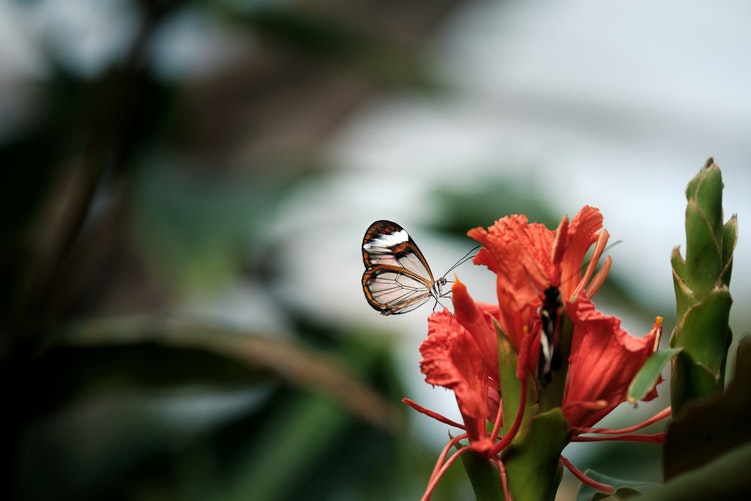
It’s only when caterpillarness is done that one becomes a butterfly.

That again is part of this paradox.

You cannot rip away caterpillarness.

The whole trip occurs in an unfolding process of which we have no control.

Ram Dass