Seeing the river

Since many places of worship have been closed these times, and we are removed from many of our usual supports,  we have developed sanctuaries and refuges inside ourselves

Once upon a time some disciples begged their old and ailing master not to die. “But if I do not go, how will you ever see?” the Master said to them. “What is it we can possibly see when you are gone?” one of them asked. With a twinkle in his eye, the Master answered, “All I ever did in my entire life was to sit on the river bank handing out river water. After I’m gone, I trust that you will notice the river.”

Found in Joan Chittister, in Thomas Merton: Seeder of Radical Action and the Enlightened Heart
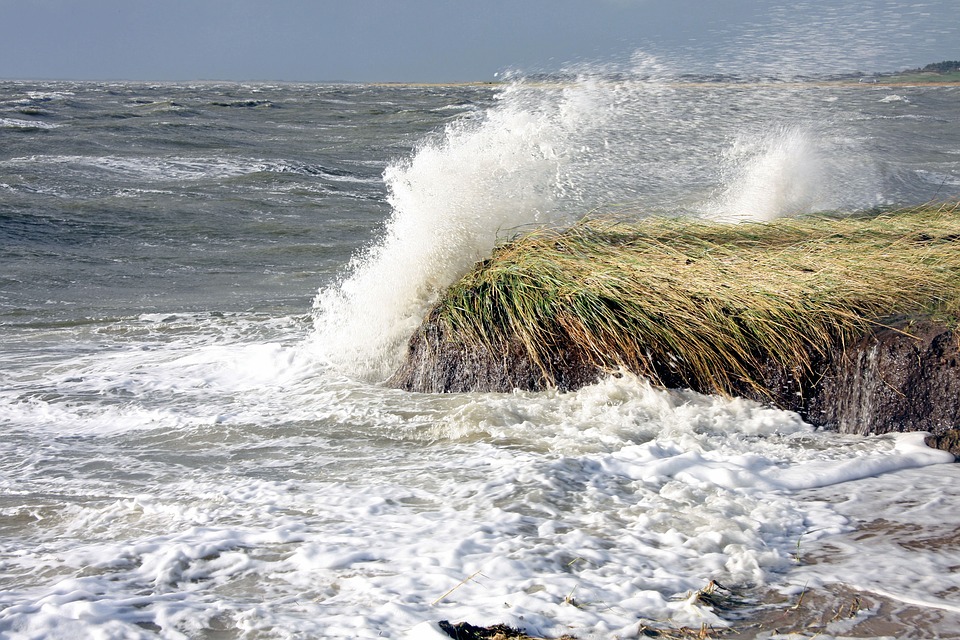
Waves and water

Most people view themselves as waves and forget that they are also water. They are used to living in the realm of birth and death, and they forget about the realm of no birth and no death. Just as a wave lives the life of water, so, too, do we live the life of no birth and no death

Thich Nhat Hanh

Sunday Quote: Giving room

Letting there be room for not knowing is the most important thing of all.

Pema Chodron

It always comes.

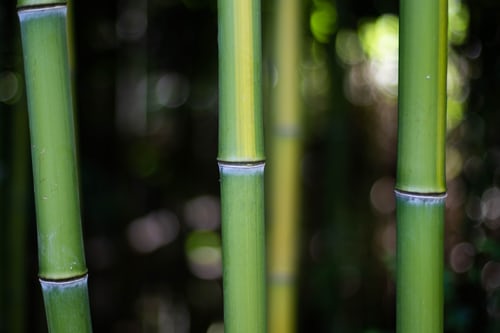
Living without contention, we are well-rooted in the earth.  Zen poets say we become a mature bamboo – steady at the base, flexible in strong winds, and responsive to the movement of life.  The strength of non-contentiousness brings patience and trust.  The poet Rilke reminds us,

“Being fully alive means not numbering or counting,

but ripening like a tree which doesn’t force its sap and stands confidently in the storms of winter

not afraid that summer might not come. 

It does come. It always comes.

Jack Kornfield, The Wise Heart

Again and again

Each person becomes a wanderer again and again in the course of life, as we find our true self by becoming lost. Each person carries a “story that could be true.” Each crossroad in life secretly asks the question: Who are you really?

 Michael Meade, 1944 –  American author and mythologist.

Some light

In the Christian Calendar today is the feast of Candlemas. While not as old as the Celtic feast of yesterday, it does date from the 4th Century in Jerusalem, and reflects the same need to mark this moment, halfway between the winter and the spring solstices. It brought light into the darkness – in the Celtic tradition by the lighting of fires, in the Christian by a procession of candles and the blessing of candles for use in the home.

Still, what I want in my life
is to be willing
to be dazzled —
to cast aside the weight of facts

and maybe even
to float a little
above this difficult world.
I want to believe I am looking

into the white fire of a great mystery.
I want to believe that the imperfections are nothing —
that the light is everything — that it is more than the sum
of each flawed blossom rising and fading. And I do.

Mary Oliver, The Ponds (extract)