 I watched the first of the Chilean miners being brought out alive from the depths of the earth where they had been trapped for nearly 70 days. It brought to mind the biblical tale of Jonah who was trapped in the whale for three days and all those stories and myths about people descending to the underworld to remerge later. These rich themes seem to speak deeply to aspects of our experience. Today I am just interested in the aspect of waiting, which some call of being in a state of limbo.
We can sometimes be in a phase of our life when we feel like we are waiting or we are stuck, and that can make us uneasy. It seems like we are going nowhere. There may be an acompanying sense of unease or low mood. However, what we may not know is that these periods can be ones of important growth. We may go through a dark period, but that doesn’t mean that we are depressed. We sometimes have to have the courage to wait until a new direction becomes clear. Our culture today prizes achievement and fast forward movement. To stand still is seen as the same as going backwards. Staying quiet and waiting is not valued as a process.
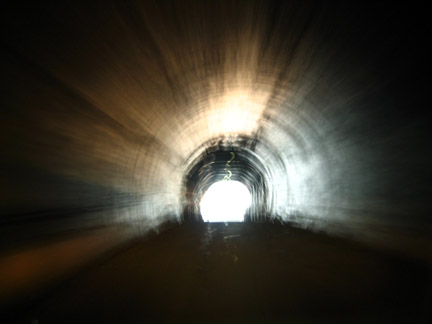
In this understanding, we can see that these periods, when we may feel stuck, even buried or in darkness. can be periods of rebirth. We are leaving behind some elements of the past only to emerge into a new light. As in the story of Jonah, we can be moving in a direction even if we seem to be trapped. The darkness is taking us where we need to go. Sometimes this becomes apparent only afterwards. Not all growth takes place in bright sunshine; as Thomas Moore reminds us, darkness is also part of life’s processes.
You may be so influenced by the modern demand to make progress at all costs that you may not appreciate the value in backsliding. Yet, to regress in a certain way is to return to origins, to step back from the battle line of existence, to remember the gods and spirits and elements of nature, including your own pristine nature, the person you were at the beginning. You return to the womb of imagination so that your pregnancy can recycle. You are always being born, always dying to the day to find the restorative waters of night.
The whale’s belly is, of course, a kind of womb. In your withdrawal from life and your uncertainty you are like an infant not yet born. The darkness is natural, one of the life processes. There may be some promise, the mere suggestion that life is going forward, even though you have no sense of where you are headed. It’s a time of waiting and trusting. My attitude as a therapist in these situations is not to be anxious for a conclusion or even understanding. You have to sit with these things and in due time let them be revealed for what they are.
In your dark night you may have a sensation you could call “oceanic” – being in the sea, at sea, or immersed in the waters of the womb. The sea is the vast potential of life, but it is also your dark night, which may force you to surrender some knowledge you have achieved. It helps to regularly undo the hard-won ego development, to unravel the self and culture you have woven over the years. The night sea journey takes you back to your primordial self, not the heroic self that burns out and falls to judgment, but to your original self, yourself as a sea of possibility, your greater and deeper being.
Thomas Moore, Dark Night of the Soul
 One way of developing a more conscious approach to life is to create gaps during the day, short moments where we pause and pay more deliberate attention to what we are doing. This “informal mindulness” practice reduces the mind’s tendency to over-analyze and compliments the formal practice we do when we are in sitting meditation.


 Mindfulbalance