What would it be like
to awaken to a day devoted to gratitude
a day of thankfulness for what was
and yet will be?
Stephen Levine

The Dzogchen tradition likes to use metaphors for non-grasping – effortless – awareness to help us recognize the “vast expanse” of our “natural mind”
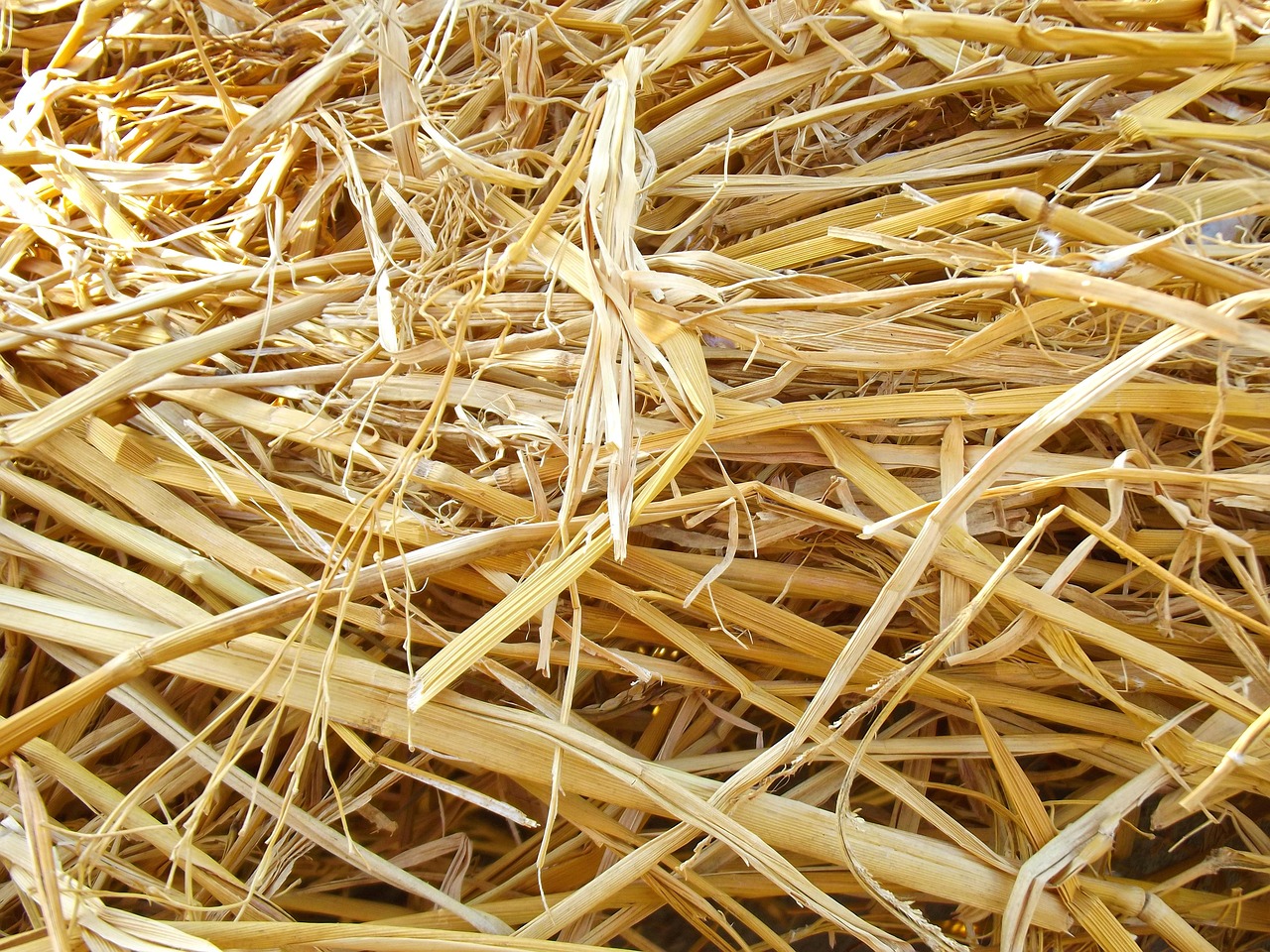
Rest loosely,
like a bundle of straw untied.
No tightness, no goal
– just this.
Nyoshul Khenpo Jamyang Dorje, Natural Great Perfection: Dzogchen Teachings and Vajra Songs

The bluebells in Emo woods are just beginning to wilt. A brief week of beauty shortly to be gone for this year. The Japanese have a word for this bittersweet awareness of the impermanence of beauty and life – 物の哀れ mono no aware – often observed when the cheery blossoms bloom and evoke both joy and melancholy, reminding us of life’s transience. Every encounter is unique and will never happen again.
If we were never to fade away like the dews of Adashino,
never to vanish like the smoke over Toribeyama,
but lingered on forever in this world,
how things would lose their power to move us!
The most precious thing in life is its uncertainty.
Yoshida Kenkō, 1283–1350, Japanese author and Buddhist monk, Essays in Idleness
Psychoanalysis, at its best, doesn’t give us answers but loosens the grip of the questions we’re obsessed with.
Sometimes the most liberating thing is to realize that we don’t need to know why we are the way we are –
we just need to live more freely with the uncertainty.
Adam Phillips, British psychoanalytic psychotherapist and essayist, Going Sane