Calm comes from balance

A bank holiday in Ireland to mark the start of Spring. Helpful in work-life balance

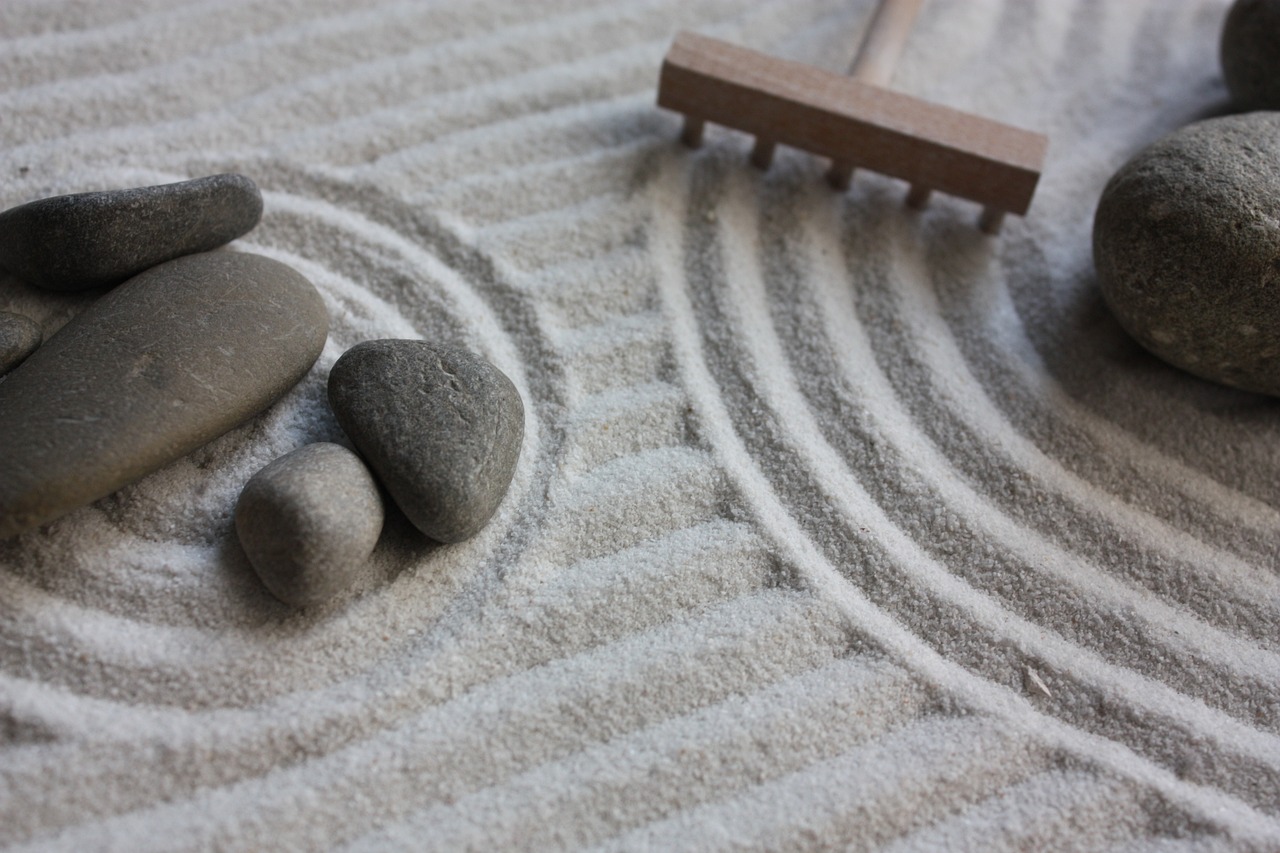
Peace is understood in the Christian tradition as tranquillitas ordinis, the quietness of order, the calm that comes with harmony.

And order is arranging things so that each gives to the other its proper place. Even God must do this. In the Jewish tradition it is said that, in order to create the world, God had to step back

David Steindl-Rast, osb., Music of Silence: A Sacred Journey Through the Hours of the Day

Being open to surprises

Even the long-beloved

was once an unrecognized stranger.

Just so, the chipped lip of a blue-glazed cup,

blown field of a yellow curtain,

might also,

flooding and falling,

ruin your heart.

A table painted with roses.

An empty clothesline.

Each time,

the found world surprises

that is its nature.

And then

what is said by all lovers:

“What fools we were, not to have seen.”

Jane Hirshfield, Meeting the Light Completely

The spark

Do not worry if all the candles in the world flicker and die

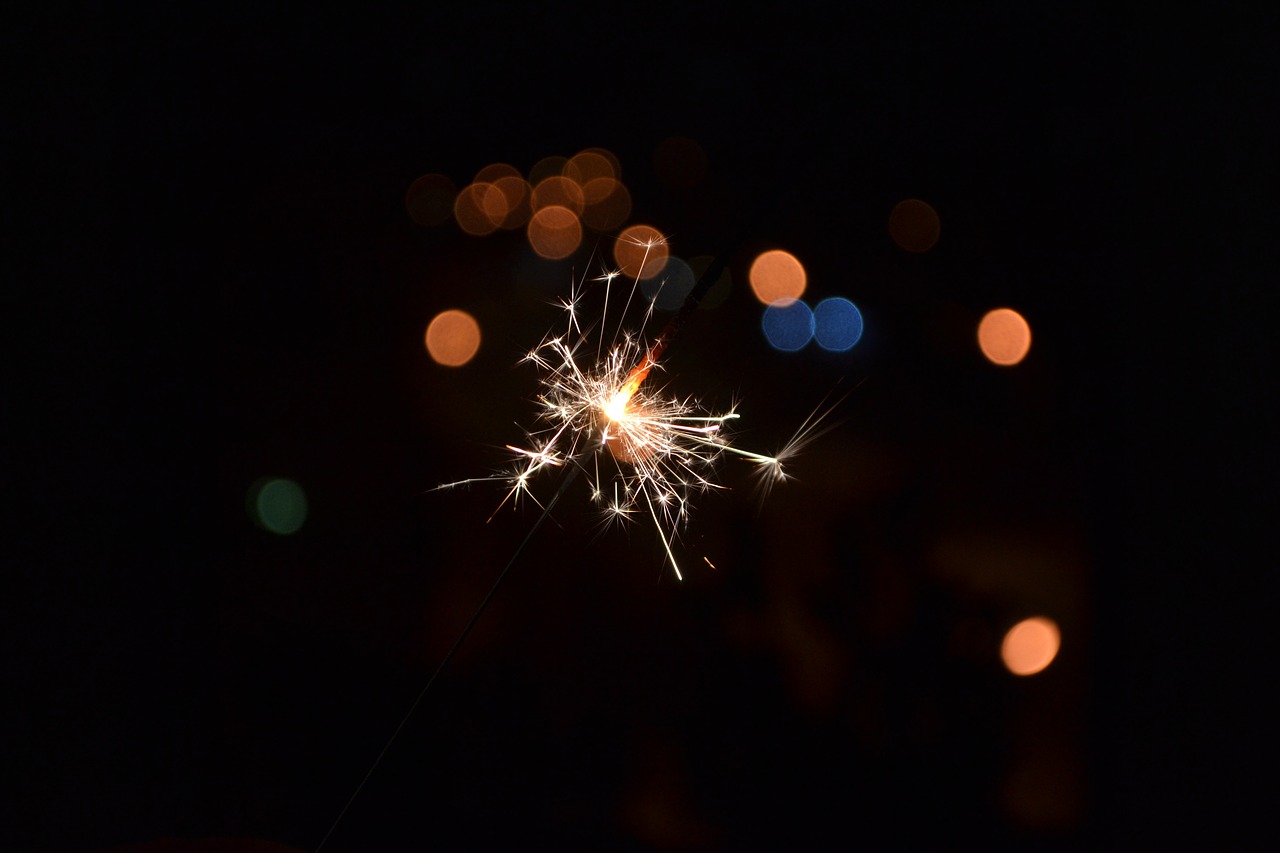
we have the spark that starts the fire.

Rumi

Two natured beings

Paraphrasing the words of Goethe’s Faust, “two selves dwell within our breast.”

One part of us is meant to live and function in the world we see around us — to eat, sleep, and produce our children, to answer the challenges of the natural and social world: in the words of Solomon in the Book of Ecclesiastes, to be born and die, to kill and to heal, to build and destroy, to weep and to laugh, get and lose, keep and cast away. This is human life “under the sun,” the world that we see and know and call real.

But God, the “something,” is above the sun, above all that our eyes can see and our mind can name, and there is a higher part of ourselves that senses that and calls to us.

We are two-natured beings. Such is the ancient teaching.

Jacob Needleman, 1934 – 2022, American Philosopher, Money and the Meaning of Life

Be happy

One of my meditation teachers used to end each of our interviews … and say to me, “Remember, Sylvia, be happy.”  I actually for a long time thought it was a salutation, like “have a good day” or something that you say just in a routine kind of a way, and it took me a long time to realize that it was an instruction, “Be happy.”

Not only that it was an instruction but that it was a wisdom transmission –  that happiness was a possibility. I understand that happiness to mean,  the happiness of a mind that’s alert, that’s awake to the amazing potential of being a person in a life, with a mind that’s opened, that sees everything that’s going on, and realizes what an amazing possibility this is, and with a heart that’s open, the heart that responds naturally as hearts do, in compassion, in connection with friendliness, with love, with consolation when it needs to:  

That that’s the happiness of life –  a mind that’s awake, a heart that’s engaged... I want to say that really what I think about when my teacher said to me, “Be happy,” is be awake, be alert, stay in your life, stay present to it. She said at another point, “It’s your life, Sylvia, don’t miss it.” That’s been a very important thing.

Sylvia Boorstein’s keynote speech Stanford University 2005

Appreciate the moments

You should be experiencing the life that happening to you,

Not the one you wish was happening.

Don’t waste a moment of life trying to make other things happen;

Appreciate the moments you are given

Michael Singer, The Untethered Soul