
Too much longing:
it separates us
like scent from bread,
rust from iron.
Jane Hirshfield, Sentencings [extract]
Too much longing:
it separates us
like scent from bread,
rust from iron.
Jane Hirshfield, Sentencings [extract]

The well-known Carpe Diem text. The original Latin is meaning is closer to “harvest the day” which gives perhaps a deeper sense than the popular translation:
Leucon, no one’s allowed to know his fate,
Not you, not me: don’t ask, don’t hunt for answers
In tea leaves or palms.
Be patient with whatever comes.
This could be our last winter, it could be many
More, pounding the Tuscan Sea on these rocks:
Do what you must, be wise, cut your vines
And forget about hope. Time goes running, even
As we talk.
Take the present, the future’s no one’s affair.
Horace, 65 – 8 BC, Roman Lyric Poet, Ode I. 11 translation Burton Raffel, The Essential Horace: Odes, Epodes, Satires and Epistles,

When stumped by a life choice, choose “enlargement” over happiness.
I’m indebted to the Jungian therapist James Hollis for the insight that major personal decisions should be made not by asking, “Will this make me happy?”, but “Will this choice enlarge me or diminish me?
Oliver Burkeman from his Guardian column

Life is like music for its own sake.
We are living in an eternal now, and when we listen to music we are not listening to the past, we are not listening to the future, we are listening to an expanded present.
Alan Watts

Who you are ….is more
than you are thinking you are
most of the time.
Ram Dass
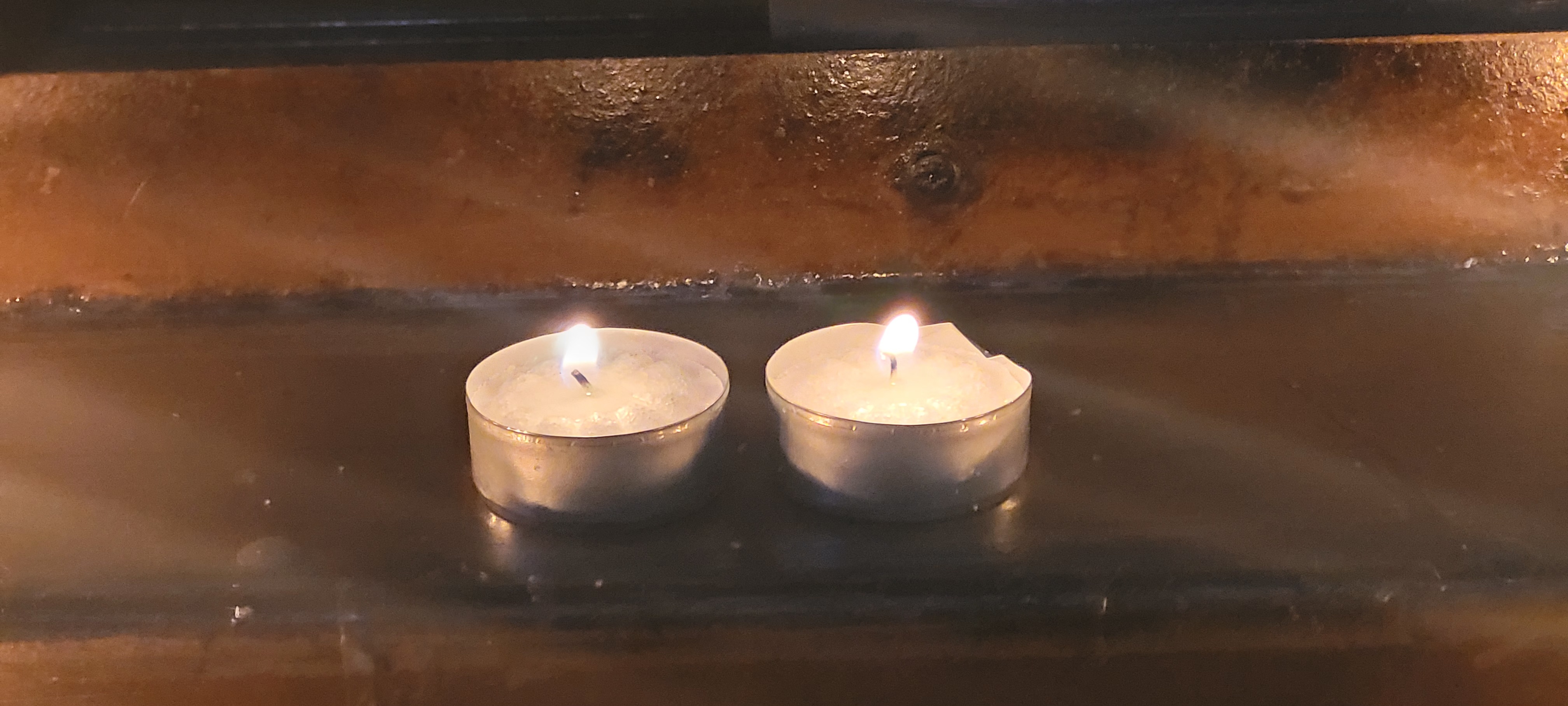
In the Christian Calendar today is the feast of Candlemas, reflecting the deep human need to mark this period between the winter and the spring solstices. The celebration of light gave encouragement in those years when the darkness seemed to be never-ending. This can also apply to the seasons in our lives
Any deep wound or loss can be transformed into fierce grace when we meet the pain with a caring presence. We can find grace I the immediacy of a frightening experience or in working with long-held trauma. Although the pain fo trauma may lead us to believe that our spirit has been tainted or destroyed, that isn’t so. Waves of fear or shame may possess us temporarily, but as we continue to entrust ourselves to loving presence, as we let ourselves feel loved, our lives become more and more an expression of who or what we are.
This is the essence of grace – homecoming to who we are.
Tara Brach
 Mindfulbalance