
We are always seeking something from the outside
and forgetting that our fundamental well-being and strength depend on how we relate to our own minds.
Dzigar Kongtrul Rinpoche, Old Relationships, New Possibilities
We are always seeking something from the outside
and forgetting that our fundamental well-being and strength depend on how we relate to our own minds.
Dzigar Kongtrul Rinpoche, Old Relationships, New Possibilities

And we advise you to begin doing it now.
We are not living in eternity.
We have only this moment, sparkling like a star in our hand – and melting like a snowflake.
Let us use it before it is too late
Marie Beynon Ray, died 1969, American journalist and popular self-help writer, The Best Years of Your Life
The fourteenth-century Tibetan teacher Longchenpa talked about our useless and
meaningless focus on the details, getting so caught up we don’t see what is in front of our nose. He said that this useless focus extends moment by moment into a continuum, and days, months, and even whole lives go by. Do you spend your whole time just thinking about things, distracting yourself with your own mind, completely lost in thought? I know this habit so well myself. It is the human predicament.
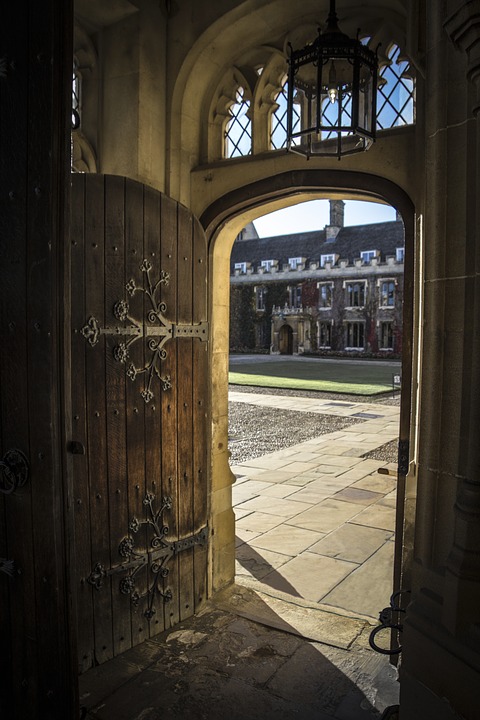
Pause practice can transform each day of your life. It creates an open doorway to the sacredness of the place in which you find yourself. The vastness, stillness, and magic of
the place will dawn upon you, if you let your mind relax and drop for just a few breaths
the storyline you are working so hard to maintain. If you pause just long enough, you can reconnect with exactly where you are, with the immediacy of your experience.
In any moment you could just listen. In any moment, you could put your full attention
on the immediacy of your experience. So, what is the most important thing to do with each day? With each morning, each afternoon, each evening?
It is to leave a gap
Pema Chödrön, How to Make the Most of your Day

This message is consistent across all wisdom traditions.
“Sit in your cell and it will teach you everything,” they said. The point was that unless a man could find God here, in this one place, his cell, he would not find him by going somewhere else.
Benedicta Ward, Sayings of the Desert Fathers
The monk asks for ultimate meaning. The answer is not in metaphysics but in noticing what is right in front of him
A monk asked Zhaozhou,
“What is the meaning of the ancestral teacher’s coming from the West?”
Zhaozhou replied,
“The cypress tree in the courtyard.”
Kōan Case 37 of The Gateless Gate, attributed to Zhaozhou Congshen (Joshu), 778 – 897

We do not turn away from difficulties or or injustice, but neither do we surrender to despair. If we can have a heart wide enough to hold both, the ordinary becomes sacred.
Hold the sadness and pain of samsara in your heart
and at the same time the power and vision of the Great Eastern Sun.
Then the warrior can make a proper cup of tea.
Chogyam Trungpa Rinpoche

What we need to know is already known within.
Sometimes life circumstances require [that] a therapist…embodies the permission-granting authority figure, the simulacrum of an empowering parent, but even that does not always work.
Sooner or later, a person has to understand and revisit the basics: we are accountable for the life we have lived or not lived; we are summoned to choice, courage and perseverance in living this life. From that recognition, the necessity of permission becomes more than obvious; it becomes the vital oxygen we must breathe or we choke to death on the fumes of the unlived life
James Hollis, Living an Examined Life: Wisdom for the Second half of the Journey

