An inner evolution

Travel agents would be wiser to ask us what we hope to change about our lives rather than simply where we wish to go…

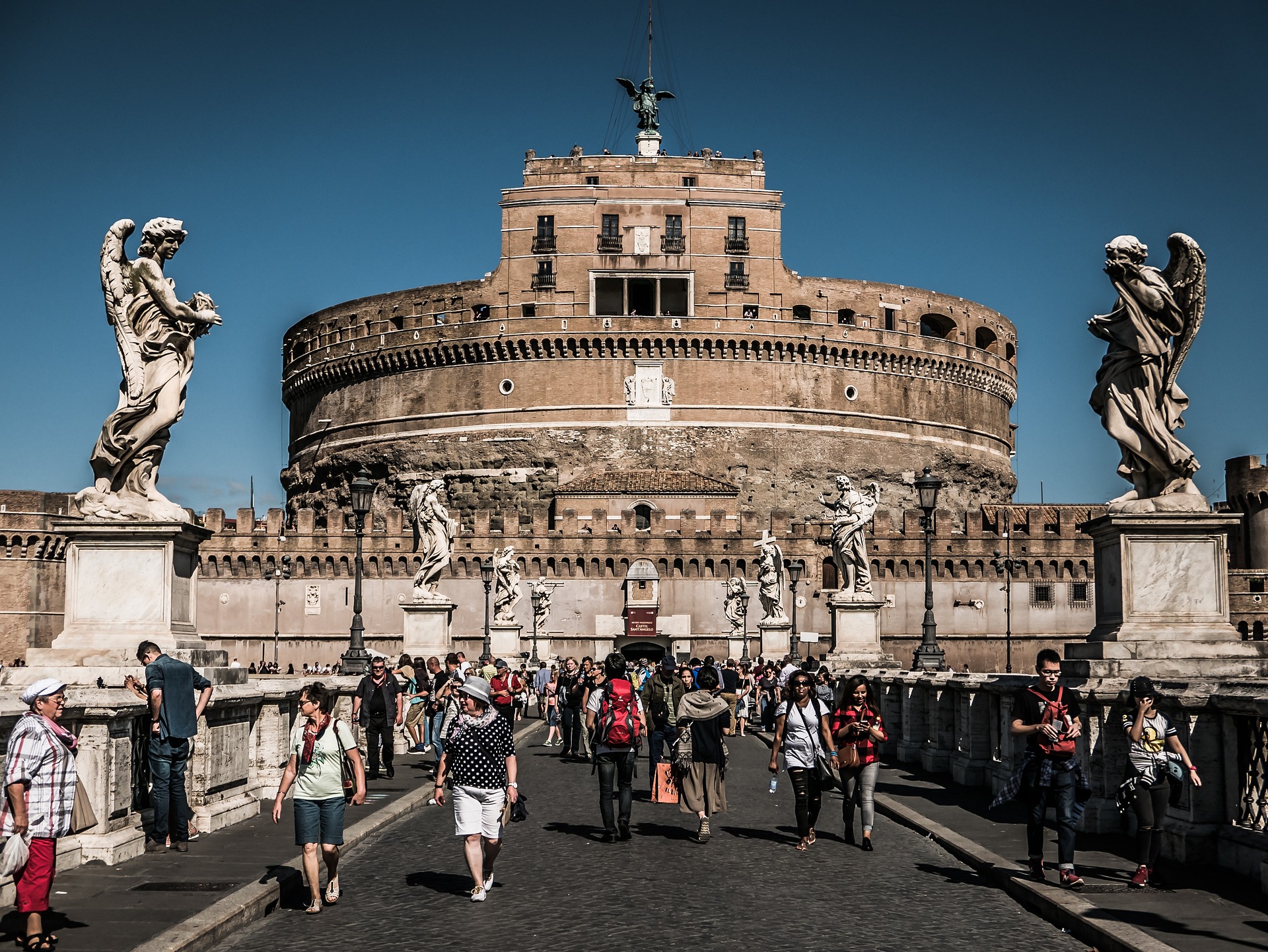
The notion of the journey as a harbinger of resolution was once an essential element of the religious pilgrimage, defined as an excursion through the outer world undertaken in an effort to promote and reinforce an inner evolution. 

Alain de Botton, A Week at the Airport 

Now

The Buddha famously avoided all questions about the afterlife, preferring to focus on what helped us deal with the challenges of this life. He said he was interested only in “suffering and the end of suffering” – practical skills for dealing with the mind.

Hakuin Zenji said, “If you want to know about life after death, ask the man who wants to know.” Thus there is no other way than to ask yourself, for this problem does not belong to the category of knowledge. You yourself must solve it by practice. Buddha’s practice after his enlightenment is not different from each individuals practice before enlightenment, if there is no idea of self. When you are engaged in selfless practice, you are free from the idea of past, present and future; from the idea of this world or another; from the idea of coming or going.


Shunryu Suzuki

Making things solid

The Buddha described what we call “self” as a collection of aggregates – elements of mind and body – that function interdependently, creating the appearance of woman or man. We then identify with that image or appearance, taking it to be “I” or “mine,” imagining it to have some inherent self-existence. For example, we get up in the morning, look in the mirror, recognize the reflection, and think, “Yes, that’s me again.” We then add all kinds of concepts to this sense of self: I’m a woman or man, I’m a certain age, I’m a happy or unhappy person – the list goes on and on.

When we examine our experience, though, we see that there is not some core being to whom experience refers; rather it is simply “empty phenomena rolling on.” Experience is “empty” in the sense that there is no one behind the arising and changing phenomena to whom they happenSo when anger arises, or sorrow or love or joy, it is just anger angering, sorrow sorrowing, love loving, joy joying. Different feelings arise and pass, each simply expressing its own nature. The problem arises when we identify with these feelings, or thoughts, or sensations as being self or as belonging to “me”: I’m angry, I’m sad. By collapsing into the identification with these experiences, we contract energetically into a prison of self and separation.

Joseph Goldstein, If There Is No Self, Who Is Born, Who Dies, Who Meditates?

The nature of change

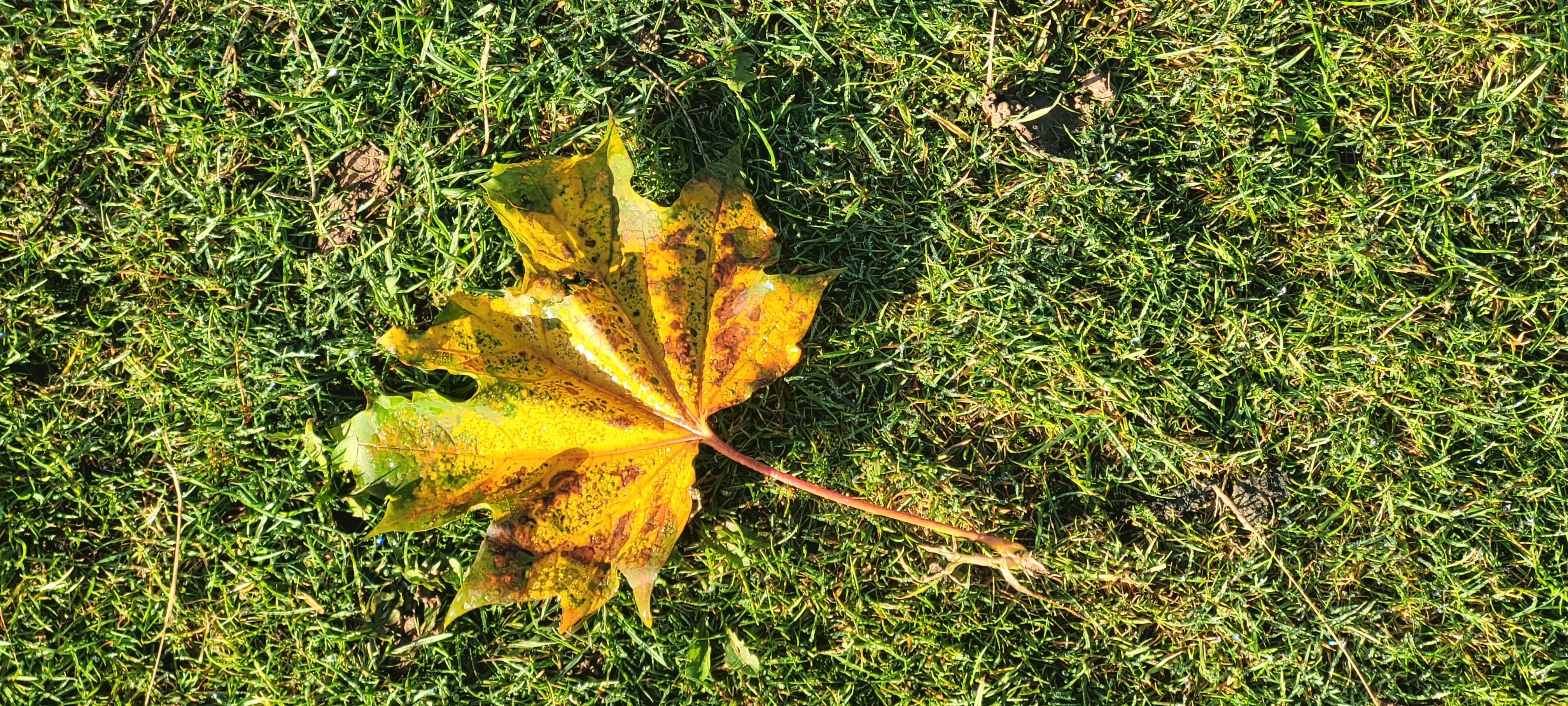
Breathing in, I see the beautiful leaves, 

breathing out, I know they are impermanent.

Smiling at the nature of change

I enjoy their presence even more.

Thich Nhat Hanh.

Cosmic pain

Overcome any bitterness that may have come because you were not up to the magnitude of the pain entrusted to you.

Like the mother of the world who carries the pain of the world in her heart, you are sharing in a certain measure of that cosmic pain, and are called upon to meet it in joy instead of self-pity.

Pir Vilayat Khan, 1916 – 2004, Sufi Meditation teacher and writer

Sunday Quote: Perseverance

If we go forward, we die; if we go backward, we die.

So let’s go forward and die.

African Proverb