Lacking

Craving leads to suffering whenever we fail to see that what we crave won’t really provide us with the kind of lasting satisfaction or happiness that we are seeking. The nature of craving is not to be satisfied. It is about lack. When we get stuck in this place of lacking something that we believe will bring us happiness, then we can really suffer.

Walt Opie

A time for slow replenishment

Plants and animals don’t fight the winter; they don’t pretend it’s not happening and attempt to carry on living the same lives they lived in the summer. They adapt. Wintering is a time of withdrawing from the world, maximizing scant resources, carrying out acts of brutal efficiency and vanishing from sight; but that’s where the transformation occurs. Winter is not the death of the life cycle, but its crucible.

Once we stop wishing it were summer, winter can be a glorious season in which the world takes on a sparse beauty…. It’s a time for reflection and recuperation, for slow replenishment, for putting your house in order. Doing these deeply unfashionable things — slowing down, letting your spare time expand, getting enough sleep, resting — is a radical act now, but it’s essential. This is a crossroads we all know, a moment when you need to shed a skin. If you do, you’ll expose all those painful nerve endings and feel so raw that you’ll need to take care of yourself for a while. If you don’t, then that skin will harden around you.

It’s one of the most important choices you’ll ever make.

Katherine May, Wintering: How I Learned to Flourish When Life Became Frozen 

Patience

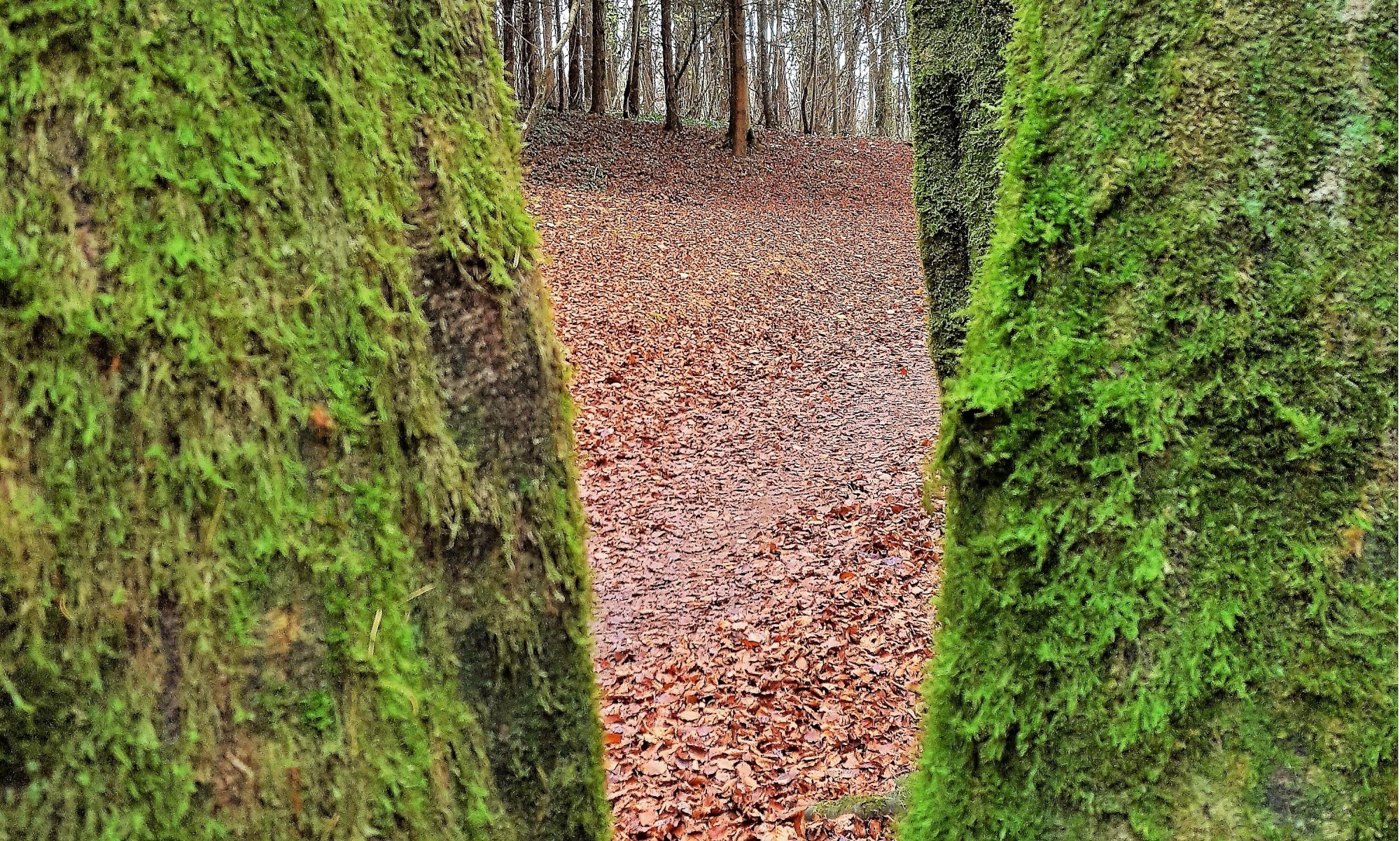
Qualities to keep the heart open: Be as patient as the moss and as vulnerable as the oaks. 

Isn’t it plain the sheets of moss, except that
they have no tongues, could lecture
all day if they wanted about

spiritual patience? Isn’t it clear
the black oaks along the path are standing
as though they were the most fragile of flowers?

Every morning I walk like this around
the pond, thinking: if the doors of my heart
ever close, I am as good as dead.

Mary Oliver, Landscape (extract)

The disease of our age


To allow oneself to be carried away by a multitude of conflicting concerns,

to surrender to too many demands,

to commit oneself to too many projects,

to want to help everyone in everything

is to succumb to the violence of our times.

Thomas Merton

When things don’t turn out as planned

Patience and waiting are some of the themes of this season of Advent

So there has been a blockage in terms of what we expect. It happens quite often: the bus or train is late; the visitor doesn’t show up; the machine breaks down – and so on. And when that happens, your mind can do one of a number of things. Firstly, you can get annoyed and blame someone (or blame yourself). Secondly, you can feel depressed and cheated by life. Thirdly, you can wait patiently. And finally, your mind can pause, open and appreciate the space where the will relaxes and it feels good to be conscious with nothing to do and nowhere to go. 

The significant point is that when you can’t get what you want, your underlying tendencies to get exasperated or feel let down come up – and they then interpret the situation as ‘lazy disorganized people’ or ‘no one considers my feelings’. Actually there are generally a number of causes as to why things don’t go my way — the Buddha just called it ‘dukkha’ – but the immediate reaction and interpretation are an indication of tendencies in one’s own mind. 

We don’t have to guess at why things aren’t going according to plan; and jumping to a conclusion is always a move into the shadows of one’s own mind.  So, pause. A pause is not a disapproval or a judgement; it’s an opening of attention.  Pausing is an essential, deep and accessible practice.

Ajahn Sucitto, Learning the Pause
Wind warnings

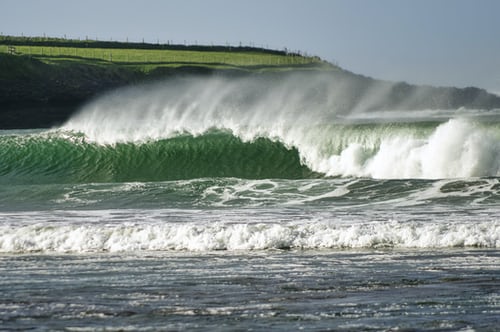
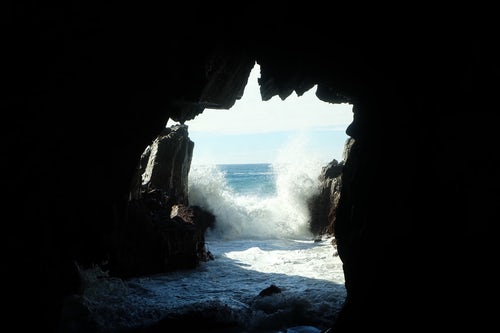
A storm is predicted for today with very high winds on the West coast of Ireland. We live in an inner and outer world that is always changing, but give a lot of importance to the things which pass through each day. We can be blown out of control, ceaselessly worrying about the past (which cannot be changed) or the future (which exists only in our imagination).  Our practice to find a still place: the mind that knows movement does not, in itself, move.

One windy day two monks were arguing about a flapping banner. The first said, “I say the banner is moving, not the wind.” The second said, “I say the wind is moving, not the banner.” A third monk passed by and said, “The wind is not moving. The banner is not moving. Your minds are moving.”

Raymond Kurzweil, The Singularity is Near