We dont know

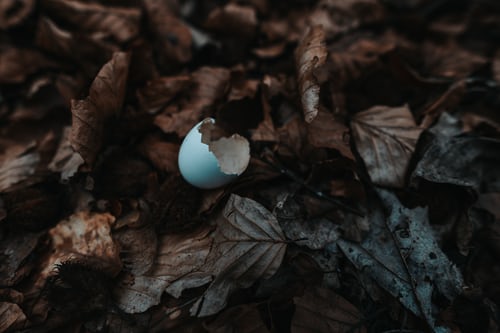
Letting there be room for not knowing is the most important thing of all. When there’s a big disappointment, we don’t know if that’s the end of the story. It may just be the beginning of a great adventure. Life is like that.

We don’t know anything. We call something bad; we call it good.

But really we just don’t know.

Pema Chodron

Sunday Quote: Inner resources

No matter how dark

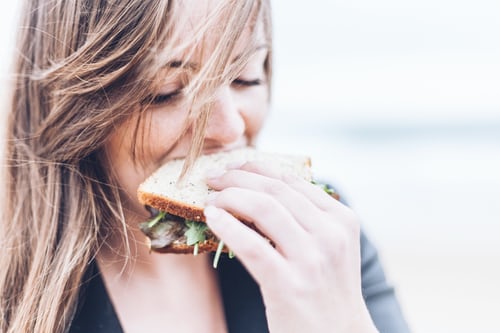
The hand always knows the way to the mouth

Nigerian Proverb

Up hills and down valleys

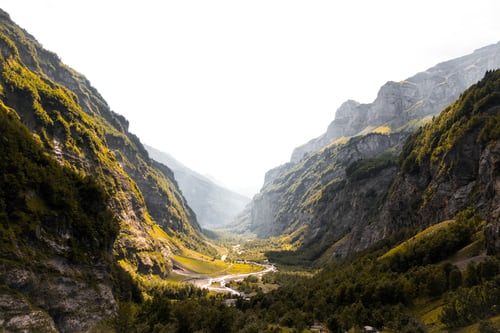
Jung [said]..: “A psychoneurosis must be understood, ultimately, as the suffering of a soul which has not yet discovered its meaning.” Notice that he does not rule out suffering, for suffering, the medieval adage had it, “is the fastest horse to completion.”

The clear implication of Jung’s position is that working through one’s way to meaning – that is, to an enlarged view of ones dilemma and perhaps to an enlarged view of one’s own summons – can lead one through the valley of the shadow.

James Hollis, Living an Examined Life: Wisdom For the Second Half of the Journey.

(The interesting medieval idea he refers to is from Meister Eckhart: The quickest horse that carries you to perfection is suffering)

The faces of others

You must unlearn the habit of being someone else or nothing at all, of imitating the voices of others and mistaking the faces of others for your own.

One thing is given to man which makes him into a god, which reminds him that he is a god: to know destiny.

When destiny comes to a man from outside, it lays him low, just as an arrow lays a deer low. When destiny comes to a man from within, from his innermost being, it makes him strong, it makes him into a god…

Hermann Hesse, If the War Goes on: Reflections on War and Politics

Take the leap

There are second thoughts happening each time you act.

There is hesitation, and from that hesitation or gap, you can go backward or forward. Changing the flow of karma happens in that gap. So the gap is very useful.

It is in the gap that you give birth to a new life.

Chögyam Trungpa Rinpoche, The Truth of Suffering and the Path of Liberation

Sit back and watch

To live in the present moment requires a change in our inner posture. Instead of expanding or shoring up our fortress of “I” – the ego – which culture and often therapy try to help us do, contemplation waits to discover what this “I” consists of. What is this “I” that I take so seriously?…

Thomas Keating teaches a beautifully simple exercise to use in contemplation. Imagine yourself sitting on the bank of a river. Observe each of your thoughts coming along as if they’re saying, “Think me, think me.” Watch your feelings come by saying, “Feel me, feel me.” Acknowledge that you’re having the feeling; acknowledge that you’re having the thought. Don’t hate it, don’t judge it, don’t critique it, don’t, in any way, move against it. Simply name it: “resentment toward so and so,” “a thought about such and such.” Admit that you’re having it, then place it on a boat and let it go down the river. The river is your stream of consciousness.

Richard Rohr Watching the River, Centre for Action and Contemplation, May 10, 2016