I spent many years looking for the perfect place to live, the perfect spiritual teacher, the perfect path, the perfect career, the perfect community, and so on, before realizing that no such lasting perfection exists except as an imaginary idea.
The only real perfection is Here / Now, and it’s not about the content, it’s about the awareness and the presence that is here regardless of the content, not because of the content. I also spent many years chasing some final enlightenment event, some happy ending, believing that there was some Finish Line that I had not yet crossed.
Finally, that whole fixation and search for enlightenment fell away, not in any Big Bang event, but gradually and quietly and imperceptibly, and not because “I” became permanently enlightened at last, but because that very idea became transparently absurd.
In the rhythm of nature, ripening is not rushed. It happens slowly, quietly, under the warmth of the sun — a patient unfolding from within.
Ripening, in this sense, is not about striving for self-improvement. It’s about relaxing into the fullness of who we already are.
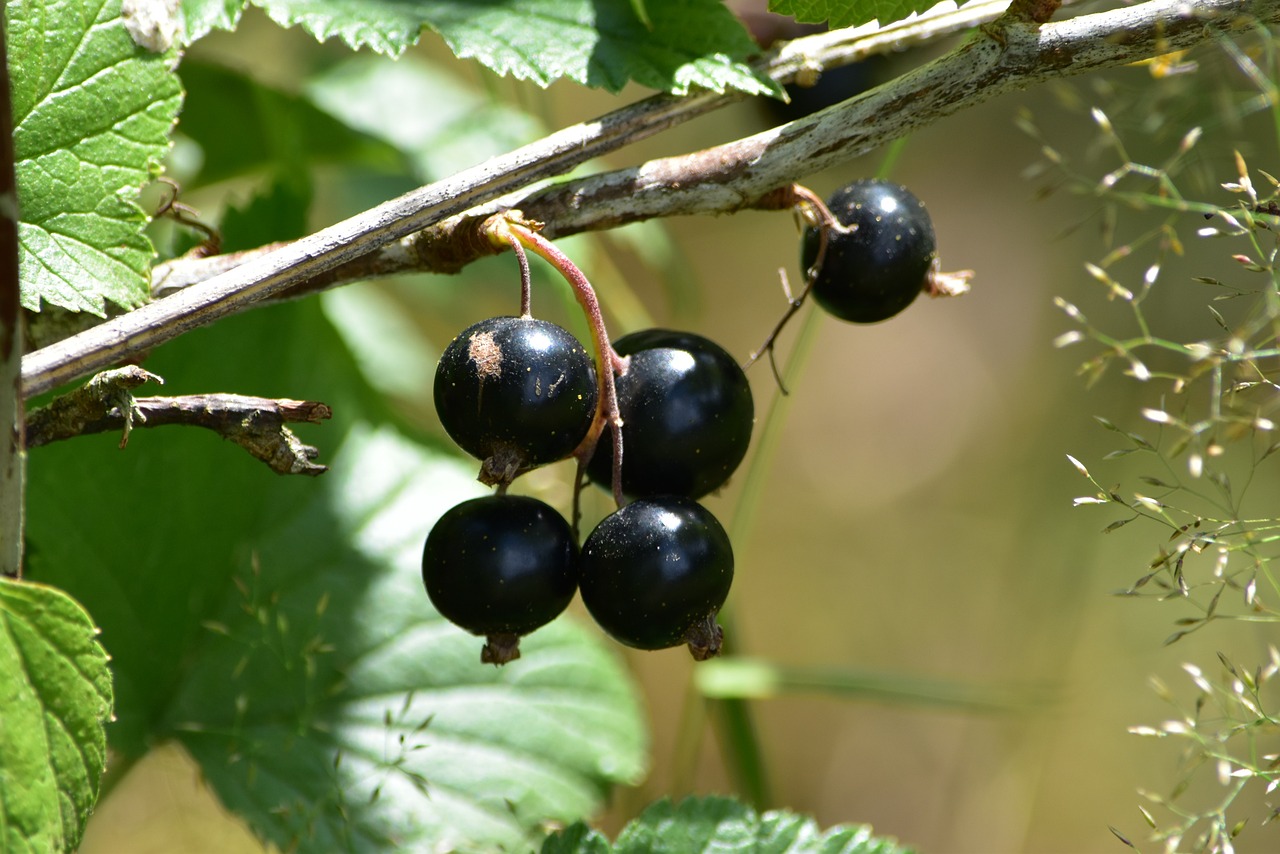
During the summer, I have often found myself appreciating the blackcurrant bushes where I live — watching, day after day, as the berries shift from small and green to dark and full. It’s a transformation that unfolds over time, without any effort. There’s a quiet wisdom in the way summer ripens things: not all at once, but steadily, given the right conditions.
These moments remind us that our inner growth is often the same. When we soften, slow down, and offer ourselves warmth and care, something begins to open on its own.
There is a way between voice and presence where information flows. In disciplined silence it opens. With wandering talk it closes.In wild silence the channel bursts.
When you can’t get what you want, your underlying tendencies to get exasperated or feel let down come up – and they then interpret the situation as ‘lazy disorganized people’ or ‘no one considers my feelings’. Actually there are generally a number of causes as to why things don’t go my way — the Buddha just called it ‘dukkha’ – but the immediate reaction and interpretation are an indication of tendencies in one’s own mind.
So just to pause at that point – reactions are normal, but we can read them, learn what they are, and that they take us into suffering. We don’t have to guess at why things aren’t going according to plan; and jumping to a conclusion is always a move into the shadows of one’s own mind.
So, pause. A pause is not a disapproval or a judgement; it’s an opening of attention into awareness. And that allows us to respond to our reactions with mindfulness and compassion.
Pausing is an essential, deep and accessible practice.




 Mindfulbalance