 Although yesterday’s incredibly mild weather belies the fact, we have passed the traditional date for the start of winter. It began on the feast of Saint Martin, marking the end of harvest, the drinking of the new wine, and the time for farm labourers to return home. Then the ancient period of forty days preparation for Christmas, observed since the 5th Century, followed. Traditionally, these days coincided with a sense of the natural beginning of winter, and the body’s response in taking recovery time for itself. They were a time of reflection and a simplification of intake, of taking stock and winding down. In today’s world, technology allows us to promote the opposite – longer shopping hours and a speeding up in preparation for the holidays, as Thanksgiving and Christmas advertisments begin to appear. An ancient way of doing things and a modern one. Thus we have a choice.
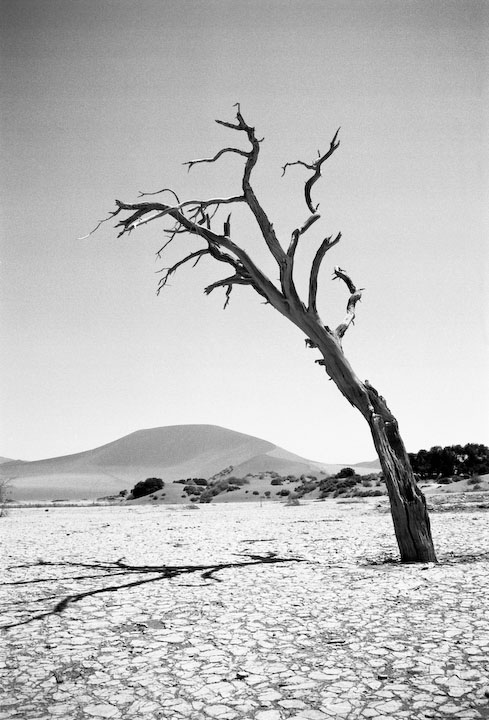
Nature has its periods of growth and its periods of rest. We are still somewhat in the bright and gentle light of autumn but we know that the darker days of winter are sneaking up on us. Soon all will go quiet and cold, with little seeming to stir. However, as yesterday’s post reminds us about the psychological sphere, underneath much is going on. Nature becomes for us a model in its beckoning us to turn inward and look deeper, to rest, reflect and simplify. Thomas Merton reminded us of the value of “winter, when the plant says nothing.” There is a time for us also to slow down, to say little, to wait and watch.
Our task is to find a balance, to find a middle way, to learn not to overextend ourselves with extra activities and preoccupations, but to simplify our lives more and more. The key to finding a happy balance in modern life is simplicity.
Sogyal Rimpoche.
 Many of us don’t allow ourselves to be relaxed.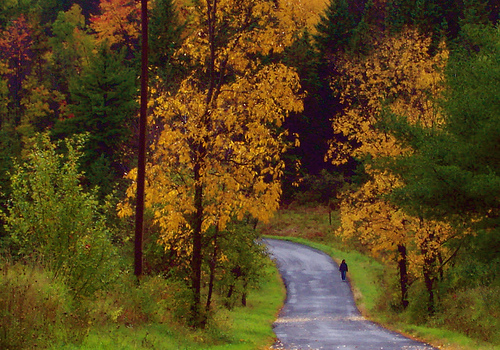


 Mindfulbalance