Many men go fishing all their lives
without knowing that it is not fish they are after
Henry David Thoreau
Many men go fishing all their lives
without knowing that it is not fish they are after
Henry David Thoreau
The tendency to demand ever more signs to replace symbols..makes our lives more and more factual, intellectually strenuous, wedded to the march of mundane causes, and beset by disconcerting surprises…A life that does not incorporate some degree of ritual, of gesture and attitude, has no mental anchorage. It is prosaic to the point of total indifference, purely casual, devoid of that structure of intellect and feeling which we call “personality”
Susan Langer, Philosophy in a New Key
We have what we seek, it is there all the time,
and if we give it time,
it will make itself known to us.
Thomas Merton
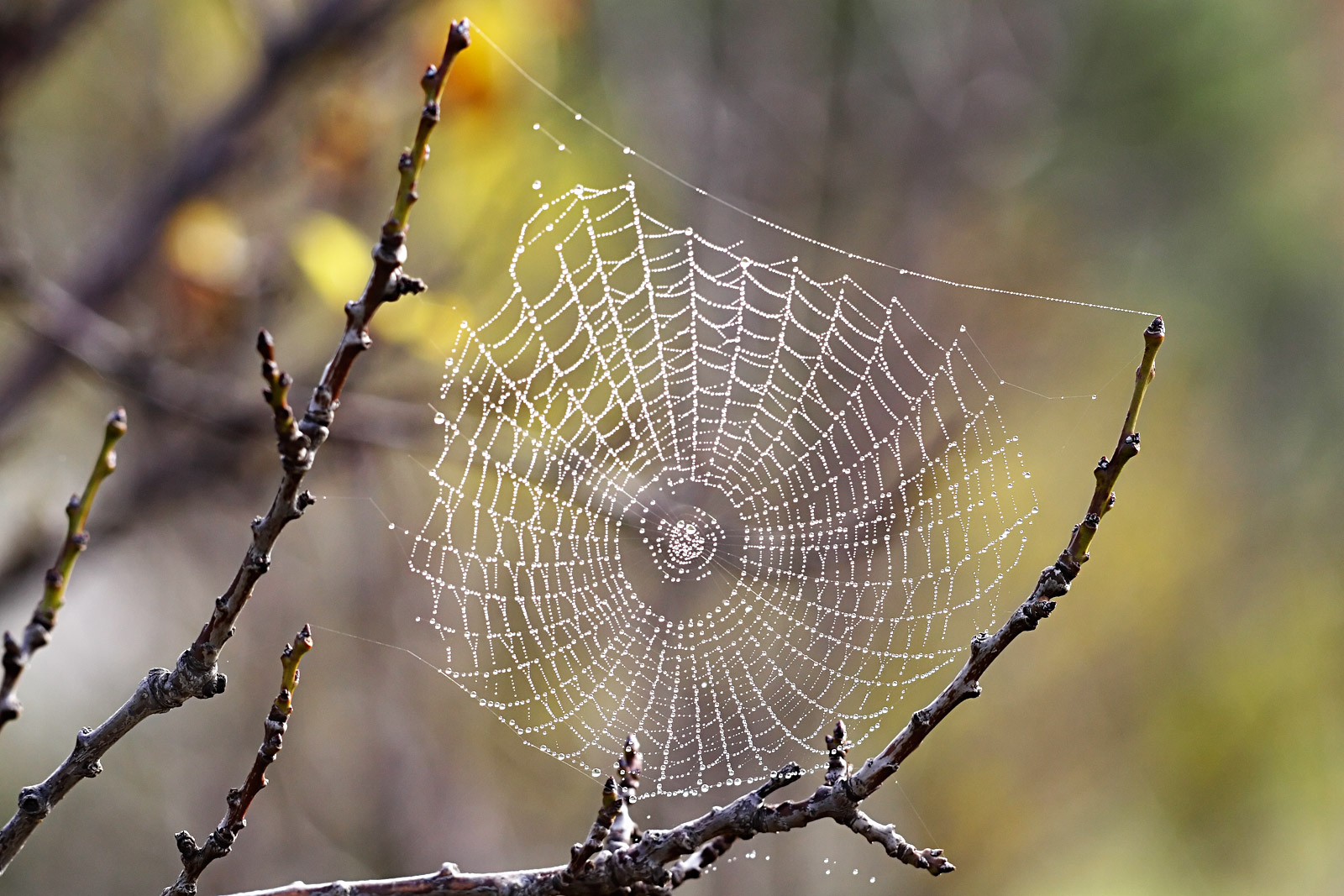 What we normally perceive as concrete objects and discrete events emerge from interwoven relationships, our very act of seeing a part of the weave. When we recognize this, rather than feeling locked in by a state of mind, an encounter, an occurance, we see that the essential nature of all that is happening is not that of a wall but of a web. When I see only suffering and unfulfilled possibility, I need to remind myself of the mystery of life’s unfolding – the many linkages that are carrying my efforts through currents of connection to results that I may never see. In order to know the truth of interconnectedness, we need to look at the world with what Robert Thurman calls “quiet eyes”. It might be through silent meditation that we see the hidden patterns of connection that make up our inner life. It may be through pausing long enough that we realize where a plate of spaghetti comes from. However we do it, softly receiving reality with quiet eyes, rather than pinpointing objects and events as separate and distinct, opens up our view rather than closing it with predetermined boundaries. We take in what is appearing before reactions and conclusions get fixed. When we relax into this mode of perception, a different perspective on reality becomes available to us.
Sharon Salzberg, Faith
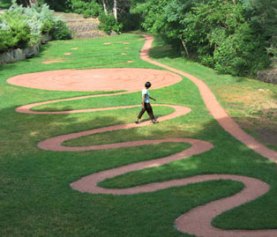 The early Church Fathers had a simple way of expressing our struggle. They taught that each of us has two hearts, two souls:
In each person, they affirmed, there is a small, petty heart, a pusilla anima. This is the heart that we operate out of when we are not at our best. This is the heart within which we feel our wounds and our distance from others. This is the heart within which are chronically irritated and angry, the heart within which we feel the unfairness of life, the heart within which we sense others as a threat, the heart within which we feel envy and bitterness, and the heart within which greed, lust, and selfishness break through. This too is the heart that wants to set itself apart from and above others.
But the Church Fathers taught that inside of each of us there was also another heart, a magna anima, a huge, deep, big, generous, and noble heart. This is the heart we operate out of when we are at our best. This is the heart within which we feel empathy and compassion. This is the heart within which we are enflamed with noble ideals. Inside each of us, sadly often buried under suffocating wounds that keep if far from the surface, lies the heart of a saint, bursting to get out.
Not everything can be fixed or cured, but it should be named correctly. Nowhere is this more important than in how we name both the size and the struggles of the human heart. We are not petty souls who occasionally do noble things. We are rather noble souls who, sadly, occasionally do petty things.
Ron Rolheiser, The Size of our Hearts
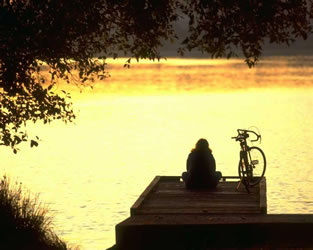
Everything comes down to time in the end – to the passing of time, to changing. Ever thought of that? Anything that makes you happy or sad, isn’t it all based on minutes going by? Isn’t happiness expecting something time is going to bring you? Isn’t sadness wishing time back again?
Anne Tyler, Dinner at the Homesick Restaurant

