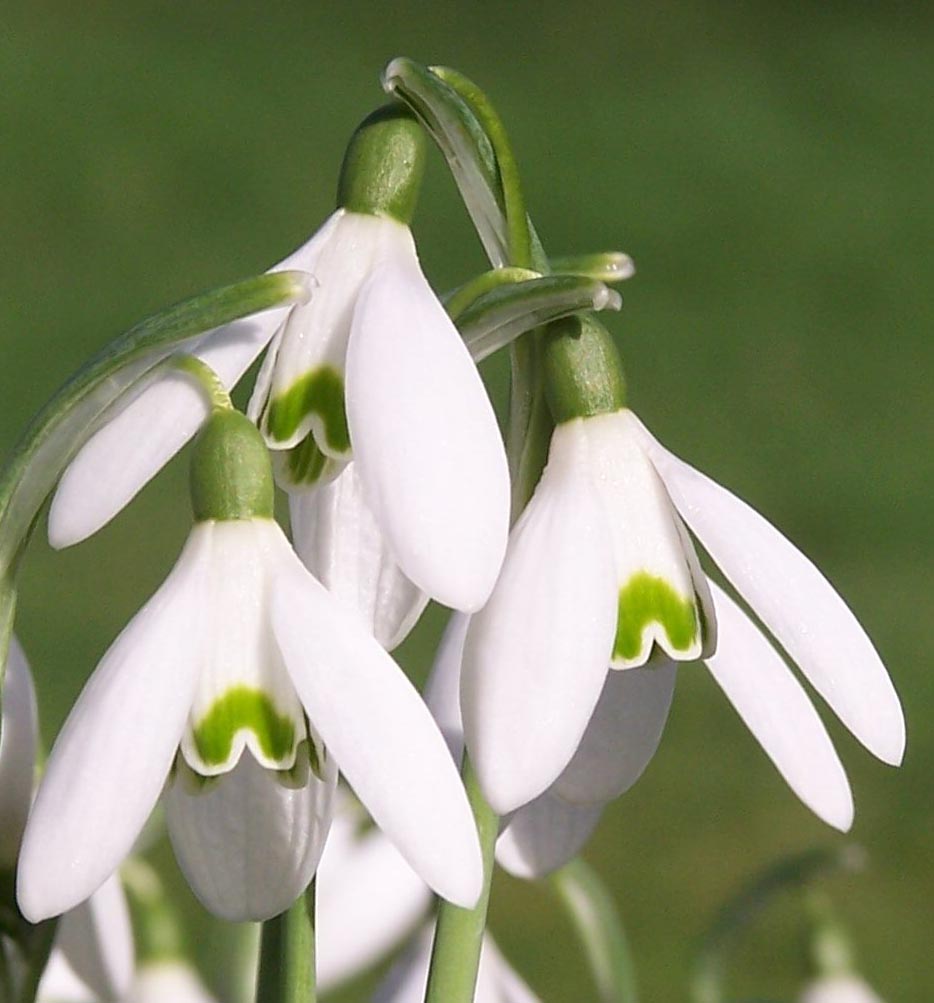
Keeping the heart soft

It is not easy to keep ones heart open in every circumstance. Each day we can have experiences with people who cause us to become anxious or afraid; at other times we protect ourselves by becoming angry, or blaming others. We throw up walls and barriers because of our deep fear of being hurt. And if we want to, we can allow these walls remain for weeks, months or even years, as something inside us closes down and we withdraw. It is natural to contract from frightening events, and at times we cannot see all the reasons why something or someone bothers us. The first response therefore can be sometimes instinctive and unconscious, or based on schemas which are below our awareness.

However, as the previous post reminds us, underneath the fears there is something deep and warm in all living things. We all dream about love and belonging, and, in reality, they are never far away. It is our fears which make us doubt. Living a full life means trying to act in accord with our deep capacity for loving and tenderness even  at those moments when our instinct is to shut down  and we can get stuck.  Sure,  we may wonder about this,  when we struggle  or search for some meaning to this life. However, beneath the surface of our fears, goodness and tenderness is always slowly coming into being. We all need to remind ourselves every day to  trust in this deeper reality.

We have a choice. Often our first thought is to withdraw. But if we can recognize that movement, acknowledge it and not necessarily identify with it, our heart can soften.  Often getting unstuck means that we can stay with the anxiety which arises, fuelled by  energies and memories beneath our conscious awareness. If we can do this, what we see is that there is a link between being kind and our ongoing happiness. Our practice helps us keep the heart open and stop the process of fear from becoming too fixed. Sometimes this is easier said than done. But even when my first reaction is fear, and I forget the soft place within the heart, what I find  is that I recover quicker and remember sooner, and am better able to leave the sadness of such occasions simply be sadness. I do not need to blame or withdraw more. I can trust in the deep goodness in myself and others. Sadness might remain, but without giving in to judgment or recriminations, the mind  is free to allow space for new possibilities to come to birth.

We can let the circumstances of our lives harden us so that we become increasingly resentful and afraid, or we can let them soften us and make us kinder and more open to what scares us. We always have this choice.

Pema Chodron

Sunday Quote: Thirst

Another morning and I wake with thirst
for the goodness I do not have.

Mary Oliver

How life is full of mysteries

Went walking this morning early in the forest around the Sources of the Allendon. It was particularly beautiful in the early morning light. The freshness of nature, the trees covered in moss, the noise of the river and the familiarity of the place relaxed and softened my heart. Nature is often like that: It creates those  moments when we connect and feel spacious. It is not so easy in our everyday life with people: we have learnt to contract and pull away. The beauty of the walk brought to mind this poem by Mary Oliver:

Truly, we live with mysteries too marvelous
to be understood.

How grass can be nourishing in the mouths of the lambs.
How rivers and stones are forever
in allegiance with gravity, while we ourselves dream of rising.
How two hands touch and the bonds
will never be broken.

How people come, from delight or the
scars of damage, to the comfort of a poem.

Let me keep my distance, always, from those
who think they have the answers.

Let me keep company always with those who say
“Look!” and laugh in astonishment,
and bow their heads.

Mary Oliver, Mysteries, Yes

Loneliness at New Year.

Everyone is encouraged to welcome the New Year with a lot of outward energy, seeking to create an identity characterized by us being jolly and looking forward enthusiastically, incarnating confidence and determination. This is the dominant portrayal on the news channels. And yet there is a paradox, because at the same time,  studies show that New Year’s Eve and the days around it are the periods when people feel lowest about themselves. It may be simply that the gap between what they imagine others feel like, and what they actually feel,  makes them feel worse about themselves. But I think it has deeper roots and maybe one of the reasons that people make such an effort around New Years is to cover up a sense of unease deep down inside which they do not know how to work with.

This unease appears in our lives as a underlying sense of not being fully at home, an inner dissatisfaction, a restlessness in the heart. It is described in different ways in different psychological, philosophical and wisdom writings. However, I will simply call it here “loneliness”.  Normally in our lives, we work hard to cover this loneliness up by activity and the things we do as we seek recognition and success.  We like to be involved in a work which is seen by others as valuable and worthwhile. We like to be kept busy. However, it comes more to the surface when we have a break from our usual activities, when we cannot perform or when our imagination lets us down. And because we do not like this feeling and are not sure how to work with it, we try to distract ourselves from it, only to notice that it comes back quickly.

Most people instinctively think that this loneliness is a bad sign and wish to move away from it. And that is how many self-help and psychological approaches would advise. We are encouraged to see if we can find the roots of it, to trace it back to the faults of others and in that way gain some sort of mastery over it. Mindfulness takes a different approach, and it can be a great relief to hear that. Mindfulness is based on the understanding that there is a loneliness or deep restlessness at the heart of life, and that is just the way things are. It does not mean there is anything wrong with our life, or with us,  just because we feel it. It manifests itself as unease and boredom, anxiety and sometimes depression. One of the liberations in mindfulness comes from the fact that it says that life is unsatisfactory, and that everyone is dissatisfied with their life in some way to a greater or lesser extent and that is just the way it is. We do not have to turn this fact into a judgement about ourselves.

Not surprisingly, therefore, it proposes a different response than trying to run away from or fix this fundamental loneliness.  It is not through distracting ourselves or fixing ourselves with numerous resolutions. It starts by encouraging us to stop fighting with our loneliness so that we can actually start coming to a real understanding of the dynamics that lead to happiness or the lack of it. In other words, we work at transforming our instinctive distaste for the unsatisfactory nature of life, moving in the direction of accepting it, and in this way we fundamentally change our relationship with ourselves, and with everyone else. The underlying unsatisactory nature of life can never be eliminated; however, how we experience it can be transformed. It does not have to be threatening of fearful, once we learn to be with it and not rushing to get away from it.

I believe that loneliness is something essential to human nature; it can only be covered over, it can never actually go away. Loneliness is part of being human, because there is nothing in existence that can completely fulfill the needs of the human heart.

Sometimes it seems as if we do everything possible to avoid the painful confrontation with our basic human loneliness, and allow ourselves to be trapped by false gods promising immediate satisfaction and quick relief. But perhaps the painful awareness of loneliness is an invitation to transcend our limitations and look beyond the boundaries of our existence. The awareness of loneliness might be a gift we must protect and guard, because our loneliness reveals to us an inner emptiness that can be destructive when misunderstood, but filled with promise for him who can tolerate its sweet pain.

Jean Vanier, Becoming Human

Preparing for a new year

As yesterday’s post said, people begin to look forward to the new year as an opportunity to start again. This is natural, but frequently does not lead to any real change, unless we understand the patterns within our own heart. Any lasting growth comes from  an understanding of our heart, with all its needs and hopes, its vulnerabilities and wisdom.  This means that we can drop all pretense and the need to blame others for what is lacking in our lives.  In many cases the desire for change around this time is based on comparing our lives with others and feeling we are lacking.  Instead of looking outward, we turn within and gently look forward – not based on fear of where we are now or criticism of this past year – but rather accepting who we are and opening to the new opportunities which will unfold.

Your vision will become clear only when you look into your heart.

Who looks outside, dreams. Who looks inside, awakens.

C.G. Jung

Looking forward

One’s life shrinks or expands according to one’s courage

Anaïs Nin