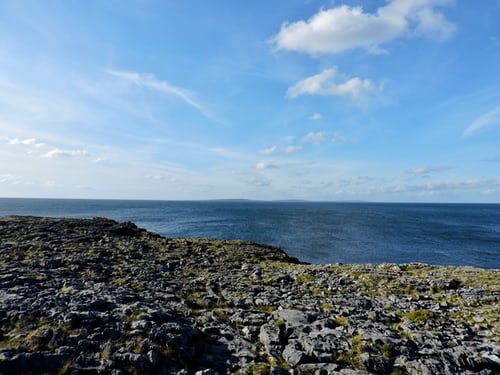
Sometimes I go about in pity for myself,
and all the while,
a great wind carries me across the sky
Ojibwe Tribe saying.
Sometimes I go about in pity for myself,
and all the while,
a great wind carries me across the sky
Ojibwe Tribe saying.

Human beings are a frontier between what is known and what is not known. The act of turning any part of the unknown into the known is simply an invitation for an equal measure of the unknown to flow in and re-establish that frontier: to reassert both the exterior and interior horizon of an individual life; to make us what we are – that is – a moving edge between what we know about ourselves and what we are about to become. What we are actually about to become or are afraid of becoming always trumps and rules over what we think we are already.
David Whyte, “Self-knowledge” in Consolations
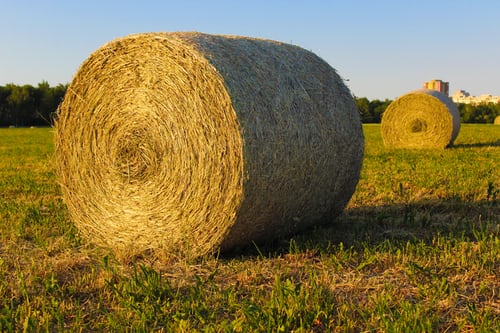
I am trying to teach my mind
to bear the long, slow growth
of the fields, and to sing
of its passing while it waits.
William Berry, From the Crest
with thanks to David Kanigan, Thrive blog

Letting there be room for not knowing is the most important thing of all. When there’s a big disappointment, we don’t know if that’s the end of the story. It may just be the beginning of a great adventure. Life is like that.
We don’t know anything. We call something bad; we call it good.
But really we just don’t know.
Pema Chodron
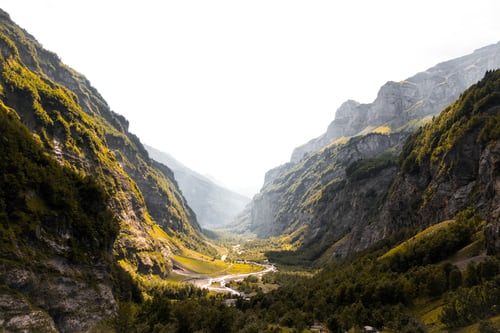
Jung [said]..: “A psychoneurosis must be understood, ultimately, as the suffering of a soul which has not yet discovered its meaning.” Notice that he does not rule out suffering, for suffering, the medieval adage had it, “is the fastest horse to completion.”
The clear implication of Jung’s position is that working through one’s way to meaning – that is, to an enlarged view of ones dilemma and perhaps to an enlarged view of one’s own summons – can lead one through the valley of the shadow.
James Hollis, Living an Examined Life: Wisdom For the Second Half of the Journey.
(The interesting medieval idea he refers to is from Meister Eckhart: The quickest horse that carries you to perfection is suffering)

Three Guides –
No Blame.
Be Kind.
Love Everything.
Terrance Keenan, artist, poet, Zen Buddhist Monk, formerly head monk at the Zen Center of Syracuse.
 Mindfulbalance