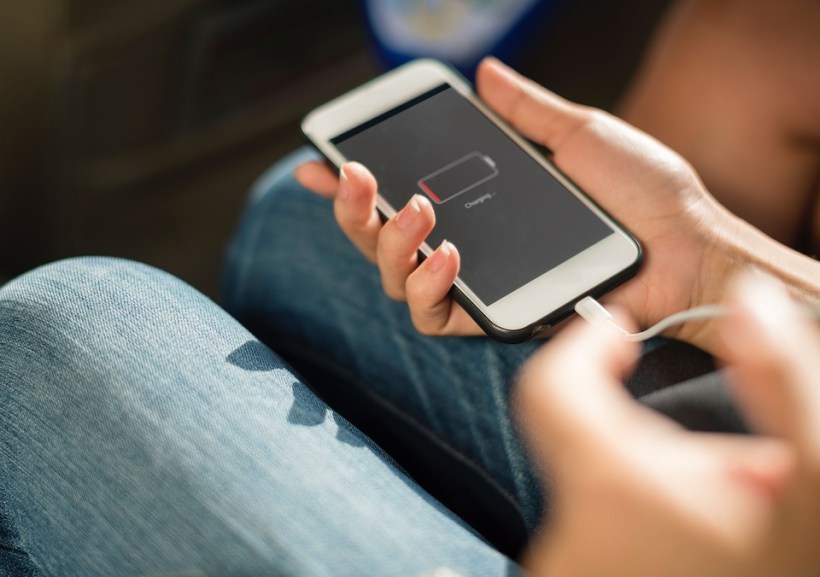
If you watch young people closely, as I do, you’ll see that when they walk into a room they scan the room. No, they are not looking for the best views…..[or] for the most comfortable chairs. They are looking for a place to plug in, to charge. Time and again, they pick the place to charge their appliances over recharging their own souls.
This is where we are as a human species. We have more ways of keeping in touch, and yet seem to have less and less meaningful things to say to one another. We are lonely, deeply lonely. We have our devices that seem to be never more than an arms length away. We have Facebook, Twitter, Skype, WhatsApp, and a hundred other ways of staying connected. As long as our phones are beeping and ringing, we feel assured that someone, somewhere, “likes” us. One-third of us would choose our electronic devices over being intimate with our partners. What’s wrong with us?
People in many traditional cultures used to refuse to have their pictures taken, thinking that each photo takes something of their soul. We used to laugh at them, mock these foolish simpletons. I’m not laughing anymore. We do seem to have lost something of our souls to these… these things.
We keep saying that these devices are actually neutral, and it’s just a matter of how we use them. I am less and less sure. Yes, we need to have wisdom in using them, but somehow staring into a screen does not give us the same sustenance as staring into each others’ eyes.
I wish that we had the wisdom to pay as much attention to our hearts and souls as we do to our devices. I wish we knew our selves, our hearts, and our souls well enough to go into that same kind of cosmic and existential panic when we begin to run on fumes. I wish we knew our own selves well enough to know how to sustain our own hearts and souls.
For some of us, it’s through prayer. For some, it’s immersing ourselves in nature.
For some, music. For some, the gentle touch of a loved one.
So many of us walk around with the “battery” of our hearts showing red. Would that we were as kind to each other, and our own hearts, as we are to these devices that we are so quick to recharge.
Omid Safi, Less iPhone Spirituality, More Recharging Our Hearts’ Batteries