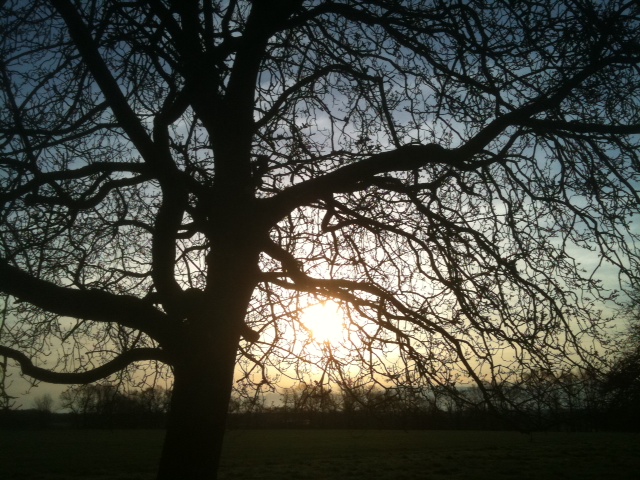
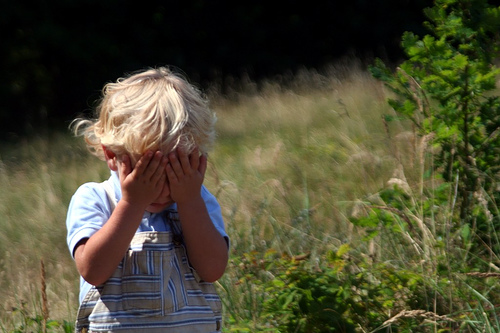
This will never come again

That it will never come again, Is what makes life so sweet. Emily Dickenson
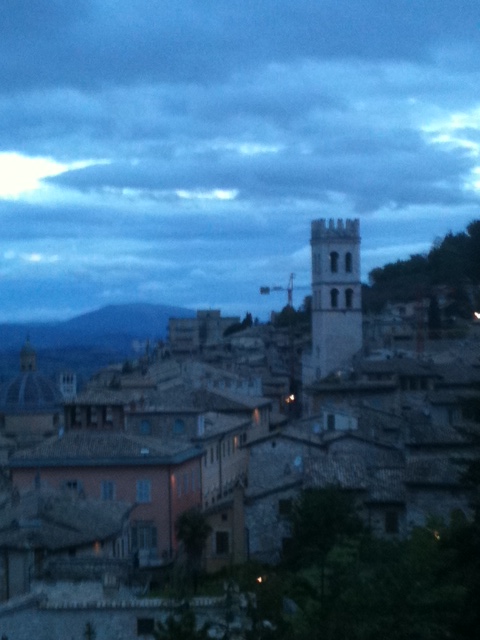
What exactly is Emily Dickenson writing about. She’s writing about just this.  This wonderful, clear, bright, blue day. It won’t come again. There will be other, very similar days, no doubt. But this day will not return. And you sitting here reading this, you will not sit down in this same way, with these same thoughts and feelings. None of this will be the same again. Even as you set down this book and leave the room, you’ll not be the person who walked in. This will never come again. This is always the case. That this will never come again is what it actually means to be born again and again. We and indeed the whole world are born repeatedly, over and over, in each new moment…What makes human life – which is inseparable from this moment – so precious, is its fleeting nature.

Steve Hagan, Buddhism is Not what You Think
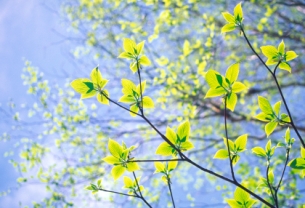
Photo : Assisi, Early Morning, Easter

Allowing ourselves be surprised …

In this poem e.e Cummings pushes  the English language in an attempt to capture the life he feels, so much so that the words almost seem to have difficulty fitting in. He sees the vibrancy of growth and life all around in nature and expresses this in lines which rush from one  into the next. The last two lines well express the richness that we feel when we start to pay greater attention to all the things which surround us each day.

i thank You God for most this amazing
day: for the leaping greenly spirits of trees
and a blue true dream of sky; and for everything
which is natural which is infinite which is yes

(i who have died am alive again today,
and this is the sun’s birthday; this is the birth
day of life and of love and wings: and of the gay
great happening illimitably earth)

how should tasting touching hearing seeing
breathing any – lifted from the no
of all nothing – human merely being
doubt unimaginable You?

(now the ears of my ears awake and
now the eyes of my eyes are opened)

e.e.cummings

Trusting even when we cannot see

Both winter and spring are part of what’s true as are summer and autumn in their turn. In welcoming awakening’s seasonal transformations, we discover a greater truth that shows us a new way of trusting the very change that we once thought a problem. Awakening has its ebbs and flows. People get discouraged when nothing seems to be happening in their spiritual life. But because something isn’t apparent in our conscious awareness doesn’t mean that it’s not happening at all. When the field appears fallow, we can learn to trust what’s going on underground, in the dark, invisible to us. In fact, it’s essential that along with the lightning comes the quiet dark, when radiant bursts are taken in and made part of the whole. To agree to all the seasons and tides of awakening means that we are always walking the Way: while there are times we won’t understand, there are no detours, no causes for disappointment. Thouhg sometimes obscured by clouds, there is only the rising dawn, long and slow, that we walk within. 

Joan Sutherland, Seasons of Awakening

Opening our eyes

Life is no passing memory of what has been nor the remaining pages in a great book waiting to be read.

It is the opening of eyes long closed.
It is the vision of far off things
seen for the silence they hold.
It is the heart after years
of secret conversing speaking out loud in the clear air.

It is Moses in the desert
fallen to his knees before the lit bush.
It is the man throwing away his shoes
as if to enter heaven
and finding himself astonished,
opened at last, fallen in love with solid ground.

David Whyte

Trying not to hide

Anyone who understands impermanence ceases to be contentious. The Dhammapada.

I sometimes remind students, “Try not to duck. Try to see the truth of your experience right now, Try to be there” When we are in contention with the moment, we push it away and then we don’t see it clearly. When we see things clearly we can usually figure them out. And when we see things cordially, or at least when we allow ourselves to see them this way, then they are not distorted by our liking or not liking. Another way of putting this is, “Let us see the truth of every moment and lets see it without contention”

Sylvia Boorstein, Greet this Moment as a Friend

How to be in control of our lives

Basic goodness, the shimmering brilliance of our being, is as clear as a mountain lake. But we’re not certain about our own goodness. We begin to stray from it as soon as we wake up in the morning, because our mind is unstable and bewildered. Our thoughts drag us around by a ring in our nose, as if we were cows in the Indian market. This is how we lose control of our lives. We don’t understand that the origin of happiness is right here in our mind. We might experience happiness at times, but we’re not sure how we got it, how to get it again, or how long it’s going to last when it comes. We live life in an anxious, haphazard state, always looking for happiness to arrive.

 When we are confused about the source of happiness, we start to blame the world for our dissatisfaction, expecting it to make us happy. Then we act in ways that bring more confusion and chaos into our life. When our mind is busy and discursive, thinking uncontrollably, we are engaging in a bad habit. We are stirring up the mud of jealousy, anger, and pride. Then the mind has no choice but to become familiar with the language of negativity and develop it further.

Sakyong Mipham Rinpoche