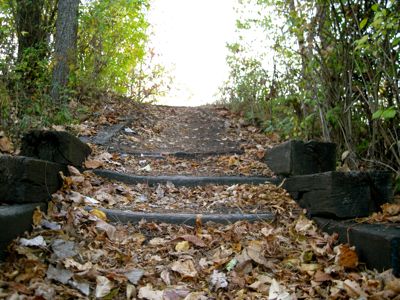
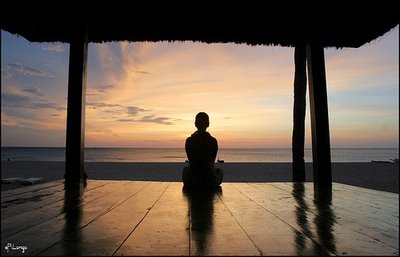
 The ancient festival of Samhain, which lies behind modern-day Halloween, marked the end of the Celtic year as well as putting an end to agricultural work and trade. It meant that people followed the rhythm of nature and wound down their activity. This festival began that period of resting and was an occasion for meeting up, for building bonfires, celebrating the harvest and for storytelling. It was also the traditional time for slaughtering animals in order to prepare stores of meat and grain to last through the coming winter. The bonfire tradition still persists in Ireland and England to this day. Despite the fanciful modern notion that it was a night when the spirit world was particularly close, it is more correct to say that the whole Celtic worldview saw very little division between the worlds, and this view was present every day of the year. This does not mean the modern Halloween emphasis on ghosts and goblins but rather a sense of an openness to the spiritual in the everyday, reflected in the Irish langauge’s belief that the other world was always there right beside you, in every field and on every hilltop, in the trees and animals and even in the stones.
We move from this worldview when we think that life is better somewhere else, other than in the tasks we face this day, and everyday. We often treat the things that we have to do, especially if they are repetitive or mundane, as moments to be gotten “out-of-the-way” so that we can get to something more “meaningful” or exciting. But, as the Irish poet Paddy Kavanagh, who is rooted in this Celtic worldview, reminds us, God is in the bits and pieces of everyday. He saw his writing as an attempt to explode the atoms of ordinary experience. And all wisdom traditions agree with this ancient way of seeing, as do modern stress reduction programmes, when they speak about paying attention to what is happening now, and not rushing past it. The way to contentment is not by waiting to have the best of everything but by being able to start with what we already have – this schedule, the personality we have, the situation we are actually in, the demands of this day. In working with these we are putting ourselves in contact with this actual moment and not doing what we frequently prefer – living in thoughts or idealistic dreams about it.
Let the beauty we love be what we do.
There are hundreds of ways to kneel and kiss the ground.
Rumi
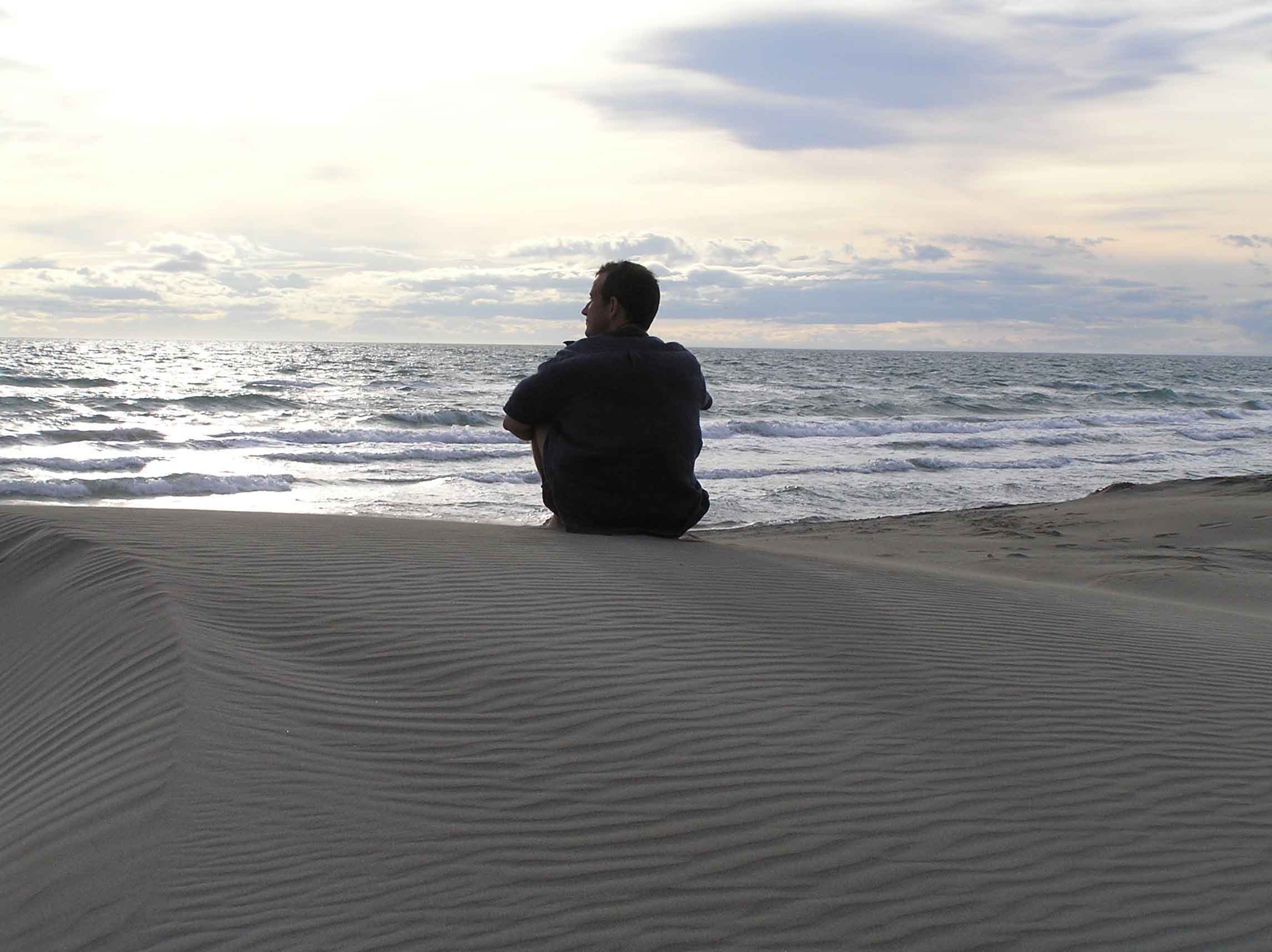 The importance of meditation, yoga, and other spiritual practices is that they allow you to reconnect with your priorities over and over again. At least for a moment, you let loose of your fears, experience a touch of mental clarity, and feel the sweet breeze of a peaceful mind. You become accustomed to staying with yourself in moments of difficulty and learn not to let them consume your mind. You develop concentration that leads to strength of mind. Certain practices teach you to stay within the body in times of emotional turmoil. Most of all, you find a place outside the ego in which you can receive any experience without neglecting the ego’s needs….. Every human being has this innate capacity to act outside the immediate ego panic. Spiritual practice makes it more likely that it will be accessible in a time of need.