Ancient knowledge from the Celtic calendar which saw tonight as the threshold between the light and dark times of the year, when the earth turns inward. Sometimes wisdom doesn’t have to be learned so much as reawakened. We scroll endlessly, but rarely return to stillness to rediscover the thresholds where mystery begins.
Fashioned from clay, we carry the memory of the earth. Ancient, forgotten things stir within our hearts, memories from the time before the mind was born. Within us are depths that keep watch. These are depths that no words can trawl or light unriddle.
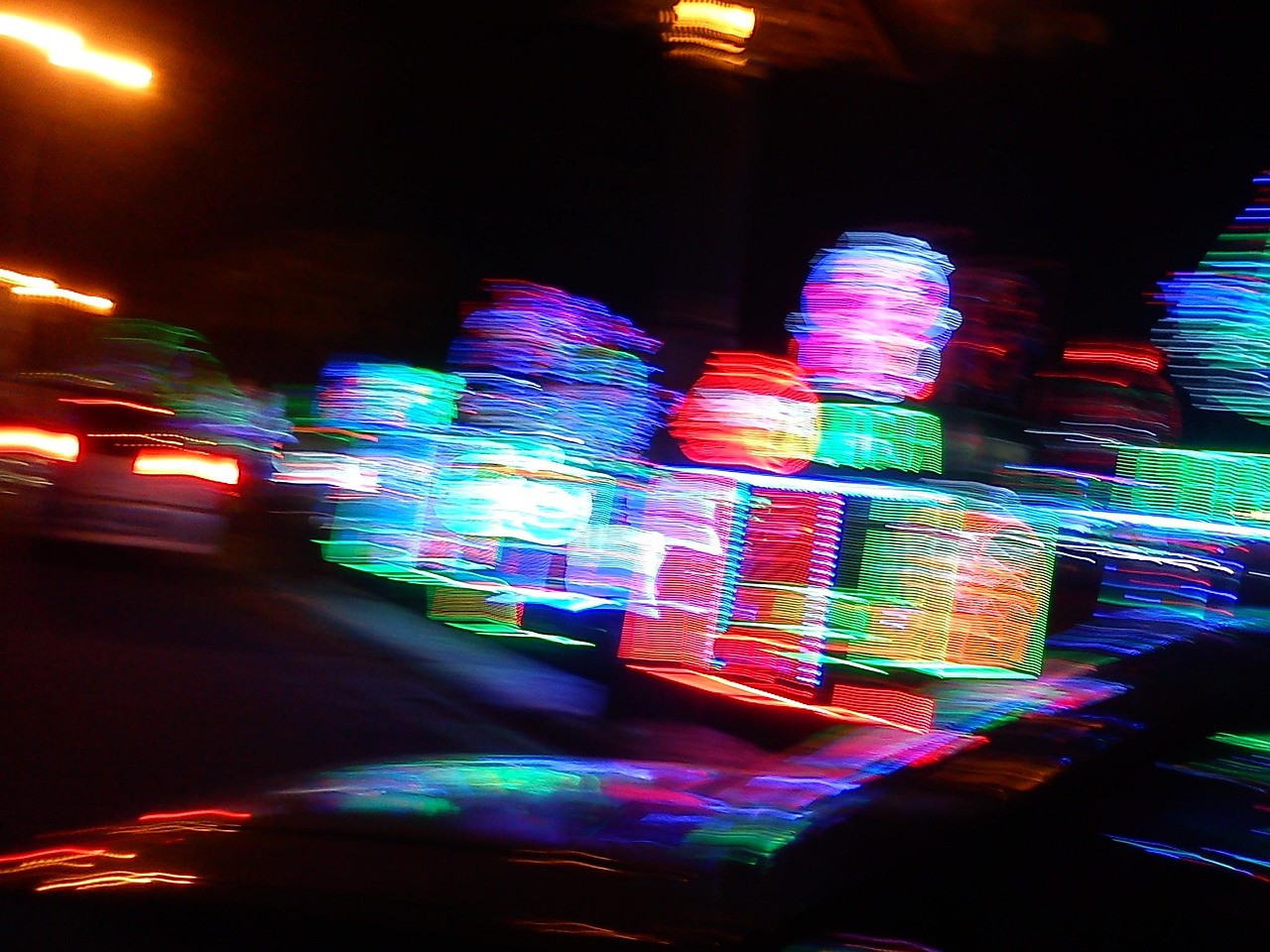
Our neon times have neglected and evaded the depth-kingdoms of interiority in favor of the ghost realms of cyberspace. We have unlearned the patience and attention of lingering at the thresholds where the unknown awaits us. We have become haunted pilgrims addicted to distraction and driven by the speed and colour of images.
John O’Donohue, Beauty: The Invisible Embrace



 Mindfulbalance