Ingrained filters

Out of nowhere, the mind comes forth.
The Diamond Sutra

Working with this koan alters how I might meet the world in two ways. In one twist, it opens life up in a way where I can’t expect anything to happen outside of the now, and in another, the koan takes my attention to my thoughts and opinions about what I come into contact with each moment. …

The fact that I take mundane shrubs, trees, stray cats, and rain squalls for granted or even consider them to be inconvenient nuisances is something the koan quietly forces me to examine more closely. What would life be like without these images, moments, and experiences? Do I create an inner world in which only some of what is present makes it through my ingrained mental filters? If yes, what would happen if I deconstructed these borders and removed them? Maybe everything that graces my life has a subtle extraordinariness and that allowing this connection to blossom on its own is a practice that takes place naturally when I just begin to notice.

Don Dianda, commentary on Zen koans in the Huffington Post
Teachers

A monk once asked Joshu, ‘Who is my teacher?’

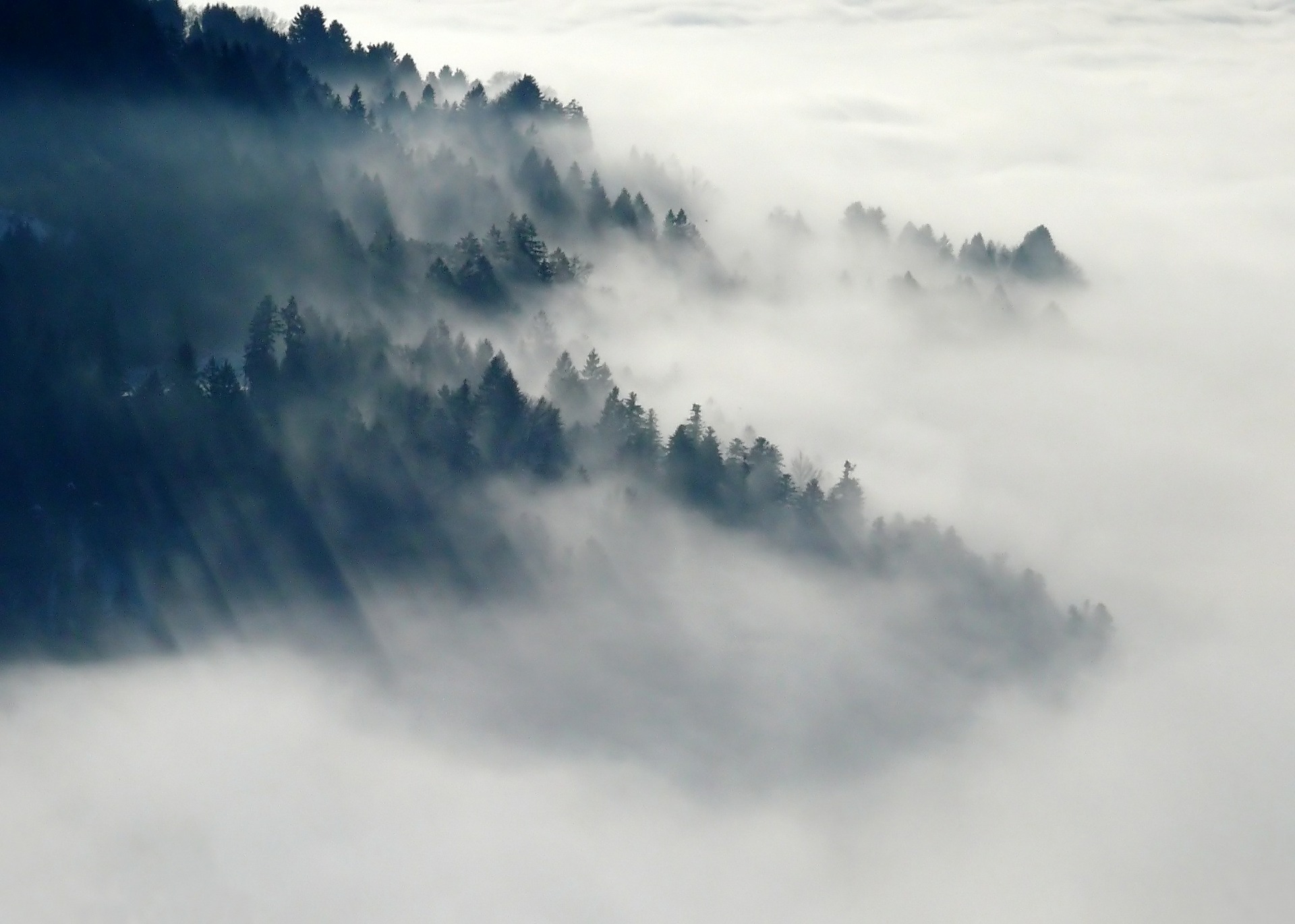
Joshu said, ‘Clouds rising out of the mountains, streams entering the valley without a sound.’

The monk said, ‘I wasn’t asking about them.’

Joshu said, ‘Though they are your teachers, you don’t recognize them.

from Henry Shukman, One Blade of Grass: Finding the Old Road of the Heart

This world

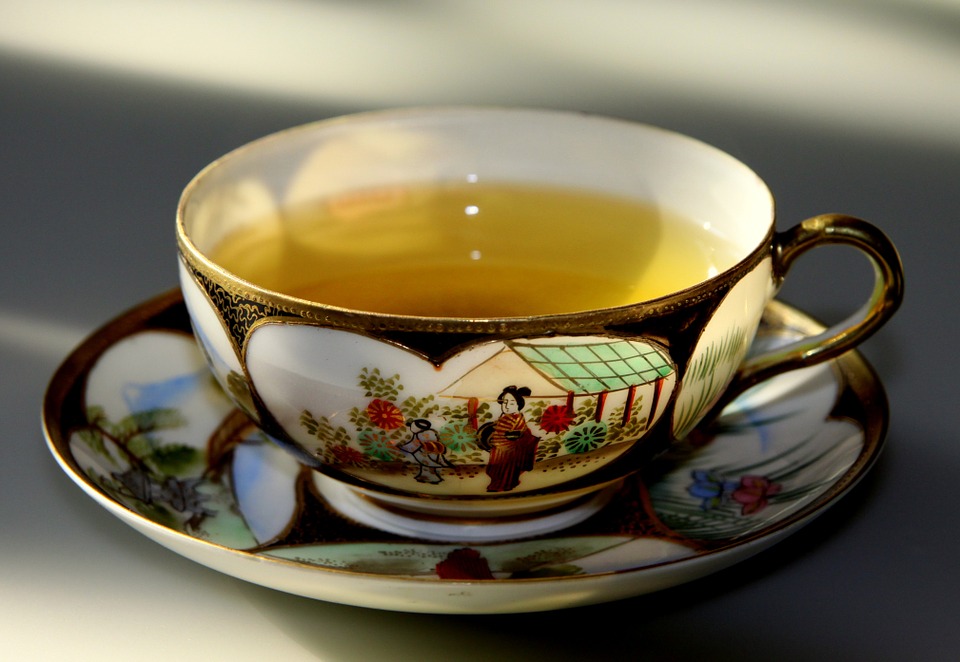
Zen is the opposite of withdrawal from the world. It’s a radical acceptance of life, the pain and suffering no less than the beauty of the dawn skies, of the sea in rain, the mountain dark under morning clouds, and the shopping list. Unless a path leads us back into the world — reincarnates us, as it were — it’s not a complete path. For Zen, this life, this world, is the very absolute. Making a cup of tea, fetching milk from the fridge, standing outside on the front step, watching the remains of a storm drift across the dawn sky, and hearing the drip-drip of rainwater into a puddle from a roof are miracles. The miraculous, in the end, is the fact of anything existing at all.

Henry Shukman, One Blade of Grass: Finding the Old Road of the Heart, a Zen Memoir

How do you know?

Try not to resist the changes that come your way.
Instead, let life live through you.

And do not worry that your life is turning upside down.
How do you know that the side you are used to
is better than the one to come?

Rumi

Not looking from outside

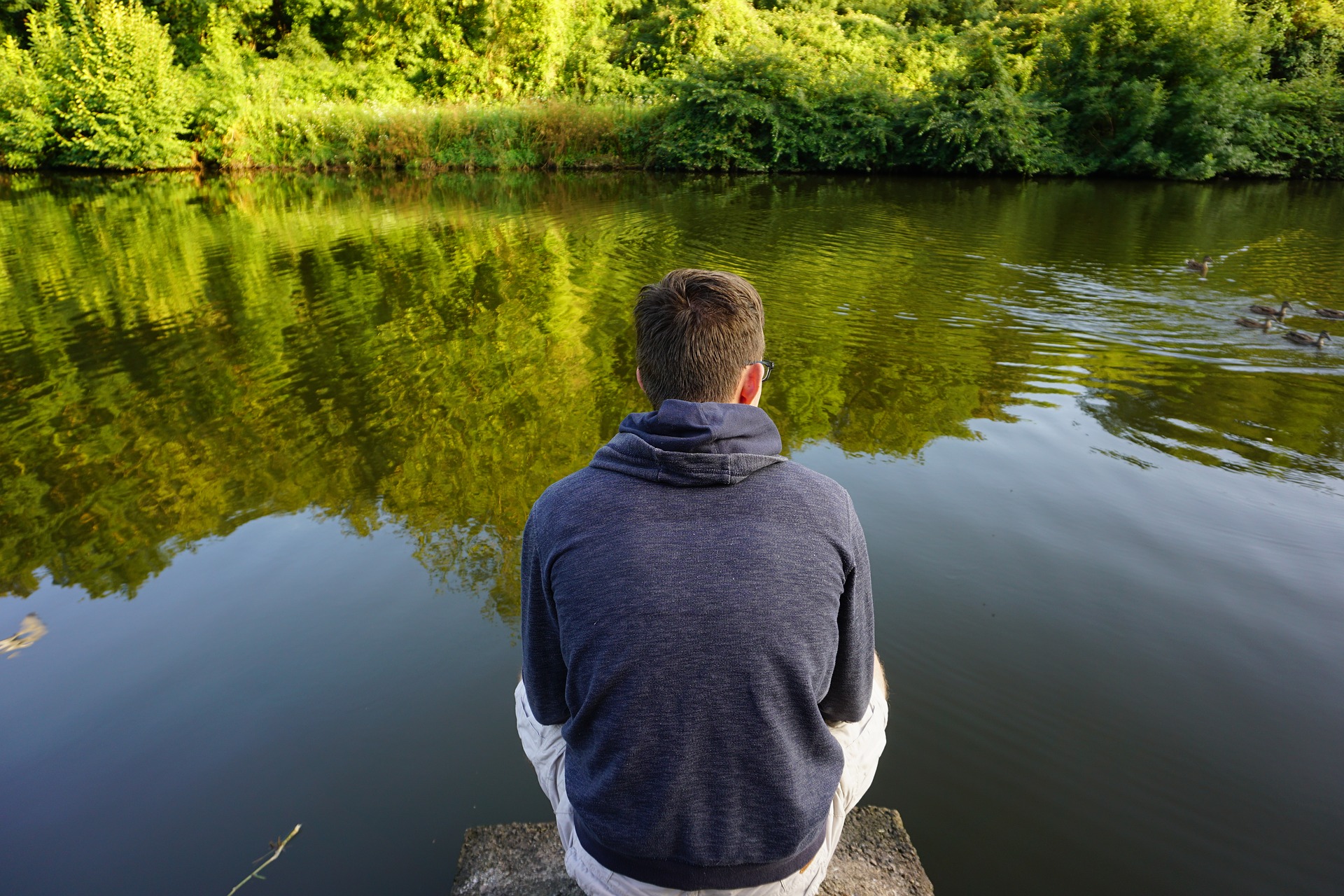
9th century Zen master, Tozan Ryokai, attained enlightenment many times. Once when he was crossing a river he saw himself reflected in the water and composed a verse, “Don’t try to figure out who you are. If you figure out who you are, what you understand will be far away from you. You will have just an image of yourself.”

Actually, you are in the river. You may say that is just a shadow or a reflection of yourself, but if you look carefully with warm-hearted feeling, that is you. You may think you are very warm-hearted, but when you try to understand how warm, you cannot actually measure. Yet when you see yourself with a warm feeling in the mirror or the water, that is actually you.

And whatever you do, you are there.

from the great Suzuki Roshi, Not Always So: Practicing the True Spirit of Zen

Sunday Quote: Joy

what you really want is
love’s confusing joy.


Rumi