 The only way you can do anything of value is to have the effort come out of non-doing and let go of caring whether it will be of use or not.
Jon Kabat Zinn
The only way you can do anything of value is to have the effort come out of non-doing and let go of caring whether it will be of use or not.
Jon Kabat Zinn
 If we want liberation, we must rewrite the Sleeping Beauty myth.
No one is coming and no one else is to blame.
Elizabeth Lesser
 What this means is that we can find our own happiness and peace of mind, just as we are in this very moment, because it is within us.
We don’t have to change our thoughts or change ourselves into someone else.
We don’t need to think that who we are, this “me,” is not good enough, smart enough, or lucky enough to be happy.
Dzogchen Ponlop Rinpoche
 It is the acceptance of death that has finally allowed me to choose life. Elizabeth Lesser
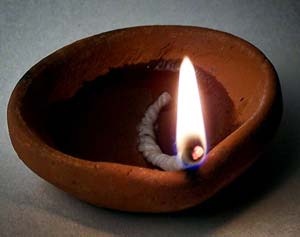
The gospel in this morning’s liturgy is a well known one, reminding us of the need to be always on the alert for the return of the Master. It advises us to “stay awake, for you do not know the day or the hour“. We are urged to “always keep the lamps lit“. Initially understood as a reference to the immanent return of Christ, it became applied to the awareness that life itself is precarious and that sickness and death can strike when we least expect.
This awareness of death can be very real when someone close to us is ill. However, it is also common in different wisdom traditions, including in Catholic and Buddhist practice, to consciously reflect on death and on what legacy we would like to leave behind. The Dalai Lama recommends this as an ongoing practice, reminding us that death is part of life itself and is not bad in itself. He states that his daily meditation includes preparation for death: “Thinking about death not only serves as a preparation for dying and prompts actions that benefit future lives, but it also dramatically affects your mental perspective”
There is another way this morning’s text can be applied to our practice, not referring to the future or to our death. It simply reminds us to be awake , at every moment, to the different ways in which life presents itself, second by second. It is only in the present moment that we can fully be alive, as recent quotes on the blog remind us. We miss so much of life’s richness by not being present, or wishing to be elsewhere. We can often prefer the jabber in our heads or dreaming about some imagined future to the real life that is before us. Our minds love to be busy, running outward toward something they see and want, and then in the the next moment, turning inward toward some thought that feels good or planning for the future. The problem with this busyness, even when we are concerned with important things, is that we are not aware. We are thinking. The wisdom in this gospel text is lost if we use it just to prepare for death. We are called to be fully alert to all the ways that we can love life in each moment by being aware of what is going on.
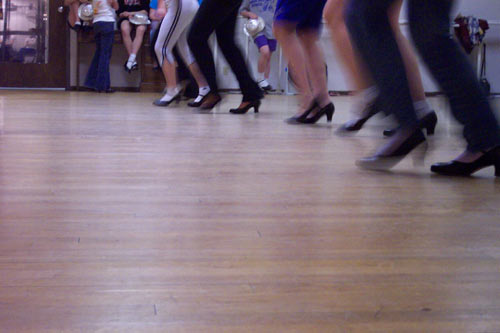 Life dances and you have to dance with it, whether it is taking you on a wonderful ride or is stepping on your toes. This is the necessary price and transcendent gift of being incarnate; alive in a body. But it is just life dancing. Life will move you in the rhythm and direction of its own nature. Each moment is a fresh moment in the dance, and if you are lost in clinging to the past or clinging to your fears of the future, you are not present for the dance.
Philip Moffitt
Within each one of us lies great potential, the potential to relate ot others and this world in a more authentic way. However, not every potential is fulfilled. Sometimes, it is a fear of change or a fear to take a risk which blocks the development, creating a narrowness of attention and a loss of confidence. We can doubt whether we have the strength to do what is before us, or we sometimes can be held back by what others or convention dictates. Courage is needed to reach our full potential and allow situations emerge. Developing our future happiness can demand that we take the risk to engage with our lives.
Every day we unconsciously take refuge in something that we think will offer us security and protection. It can be fear, as it seems better not to reach out or not to try new things. It is easier to remain in our comfort zone, preferring to avoid possible scenarios. It has been shown that whether we make positive – “approach goals” – or mainly negative, – “avoidance goals” – can lead to the difference between a life that is thriving and a life that is focused on surviving. Often when a future outcome is not clear, the first instinct is to move away. As recent posts stated, we can be dominated by experiences in the past, conscious or unconscious , or the fear of the future. We can get stuck, unable to see the rich, fluid potential of now.
How can we create a space where we’re not trapped by negativity and respond more fully to the richness offered in this moment? We begin by settling the mind, settling the body, and getting in touch with the breath. When we stay in the here-and-now, we can see the stories that arise continually much more clearly. Now is now. There is not another now. If we realize that, we stop putting things off and engage in our life in a more wholehearted way.
Meditation helps our mind to not dwell on what might happen or on what we have lost. If we practice setting our minds on those things all the time, we can miss the fact that each moment is fresh, offering a new start. In meditation we strengthen confidence in our natural mind, which is limitless. Working in this way reduces the fear of the future, allowing us create ourselves afresh. We step out onto the floor and take the chance. We accept the other’s hand. We dance. The greatest sadness is not the possibility that we will appear foolish; it is that we will not get up off our seat.
 We do not see the world as it is, we see the world as we are.
The Talmud
New research carried out at Wake Forest University has found that we reveal a lot about ourselves in the way we talk about others. They found that how positively we speak about others is linked to how happy and emotionally stable we are ourselves. The study, which appears in the July 2010 issue of the Journal of Personality and Social Psychology, found strong associations between how positively a person judges others and then how happy, kind-hearted, emotionally stable and capable they are described by others.
By way of contrast, negative perceptions of others are linked to higher levels of narcissism and antisocial behavior. As Dustin Wood, Assistant Professor of Psychology at Wake Forest and lead author of the study states, A huge suite of negative personality traits are associated with viewing others negatively. The simple tendency to see people negatively indicates a greater likelihood of depression and various personality disorders.
Thus our speech about others reveals information about our own characteristics, such as our well-being, and our mental health. Mindfulness helps us be more deliberate in the words we use, by enabling us be more aware of all the discussions taking place in the committee of voices running our minds. By practicing right speech, this study seems to suggest that we not only help our relationships become kinder. We also change our own level of happiness.
Wood et al, “Perceiver Effects as Projective Tests: What Your Perceptions of Others Say About You”, Journal of Personality and Social Psychology, July 2010
 Mindfulbalance