As I said in the previous related post, the first step in dealing with negative thoughts is  simply to notice thoughts in general, as mental events that arise and pass away, almost continually. We saw that we can develop the capacity to be aware of what is happening in our lives, by doing the simple exercise of awareness of the breath entering and leaving the body. However, what we quickly notice is often we are too busy thinking about what is happening, preferring that as a way of relating to life.
Still, let us persevere. The more we strengthen this, wider-than-thinking, capacity for awareness, the more we come to understand that thoughts, assumptions and beliefs are mental events and processes rather than reflections of objective truth. In other words,we begin to see the thoughts as passing through the mind, almost like clouds passing accross a clear blue sky. We begin to realize that thoughts are not as solid as we may think they are. We see them simply as thoughts, not necessarily true reflections of reality, and we do not need to follow them. Nor do we identify with them, but rather we try to create a space around the thought and stay there, observing it in silence and without analyzing it, judging it or interfering in any way.
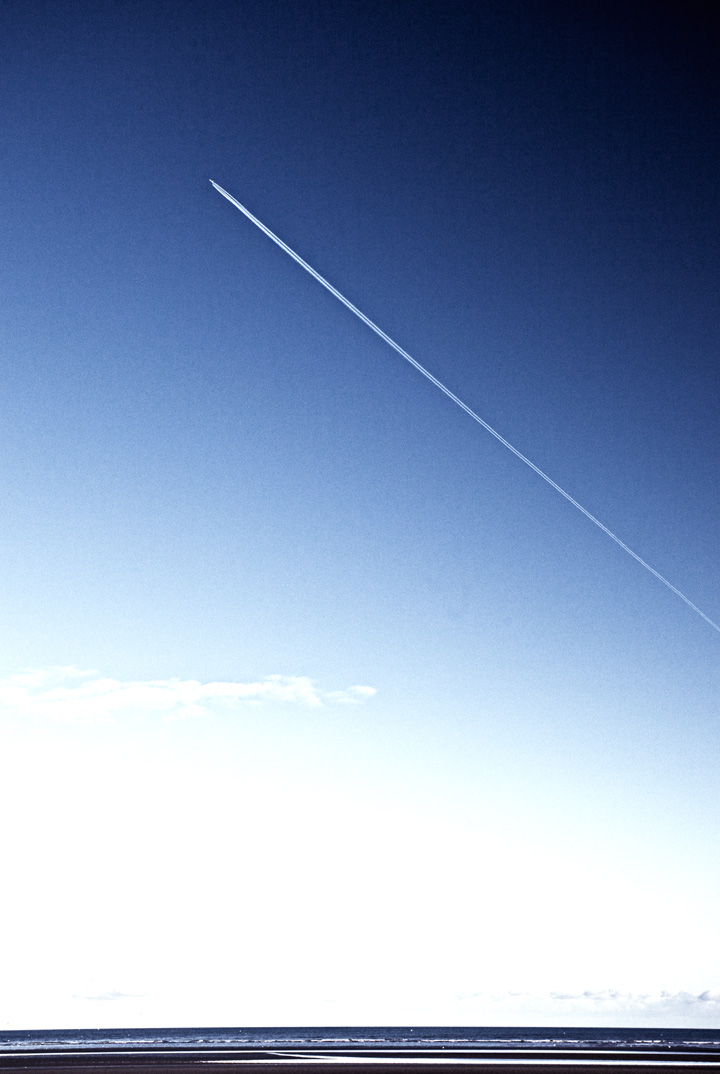
To do this, we can try a second simple practice. We sit and become aware of our breathing. Then we imagine our mind to be the clear blue sky, spacious and bright. As thoughts come, which they inevitably will, we imagine them as clouds passing through the sky. Some are heavy, some are light, but we identify with the sky, not with the clouds. This is the second step in working with negative thoughts, simply noticing that thoughts arise, touching them lightly as if they are clouds, and letting them go.
We are accustomed to identifying with every large or small thought that comes along. But you can train in identifying as the sky instead. When you do, tremendous confidence arises. You see beyond doubt that you can accommodate it all —sunshine, storms, mist, fog, hail —and never give up.
Susan Piver
 freedom of the elbow, the wonderfulness of the elbow, is precisely because of its limitations. This is our awakened attitude. We are free to be completely human. We are not free to be aliens or cartoon creatures. We are free to be ourselves, with all of our imperfections and bruises.



 Mindfulbalance