 Research, mainly in the area of neuroscience, is increasingly showing that meditation changes how the brain functions. What I find interesting is how this harmonizes with the work of psychologists who look at the importance of early relationships or those who write about the unconscious. One of the most stimulating writers in this latter area is the modern psychoanalytical author, Christopher Bollas. Jon Kabat Zinn likes to say that meditation allows us to step out of “doing-mode” into “being-mode”. This strengthens our capacity to rest with experience rather than always conceptualizing it. As Ajahn Sumedho said in a recent post, we simply recognize, without going into the need to analyse. Bollas’ quote here may suggest a link. Maybe getting in touch with silence may allow us reconnect with our earliest experiences which were processed without the use of language and thought. We may even say that sitting in silence and holding whatever arises may possibly, slowly, heal these early experiences, if they were somehow lacking. His words also allow us see how our emotions contain a deep truth which may be outside of conscious thought, truths which may be “known” without being “thought”.
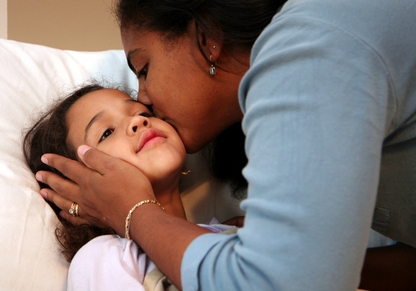
Some moments feel familiar, sacred, reverential, but are fundamentally outside cognitive experience. They are registered through an experience in being, rather than mind, because they express that part of us where the experience of rapport with the other was the essence of life before words existed….the aesthetic moment constitutes part of the unthought known. The aesthetic moment is an existential recollection of the time when communication took place primarily through this illusion of deep rapport of subject and object. Being with, as a form of dialogue, enabled the baby’s adequate processing of his existence prior to his ability to process it through thought. The mother’s idiom of care and the infant’s experience of this handling is one of the first if not the earliest human aesthetic.
Christopher Bollas, The Shadow of the Object
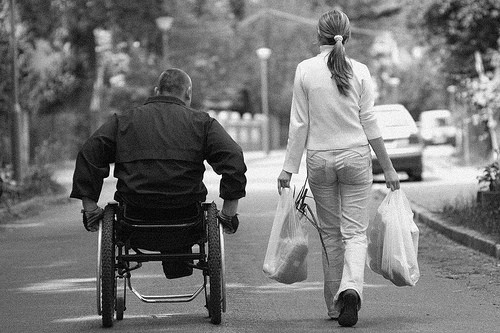 This reflex to solve, rescue and fix, removes us from the tenderness at hand. For often, intimacy arises not from any attempt to take the pain away, but from living through together; not from a working out, but from a being with. Trust and closeness deepen from holding and being with, both emotionally and physically.



 Mindfulbalance