Balance 1: Make time

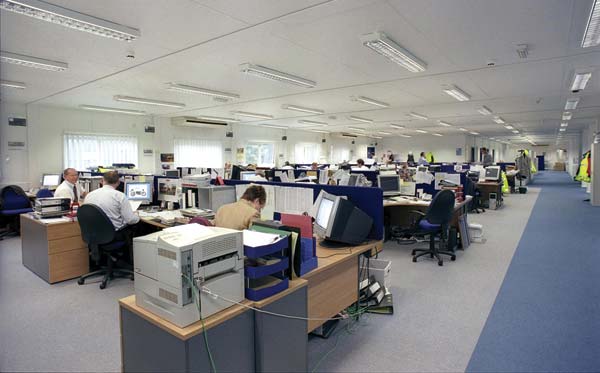
The question in an age of rapid transit and conference calls and triple shift work days is balance. And the answer is balance too.

But what is balance in a society whose skewing of time has it totally off-balance? What is balance in a culture that has destroyed the night with perpetual light and keeps equipment going twenty-four hours a day because it is more costly to turn machines on and of than it is to pay people to run them at strange and difficult hours? In the first place balance for us is obviously not a mathematical division of the day. For most of us our days simply do not divide that easily. In the second place, balance for us is clearly not equivalence. Because I have done forty hours of work this week does nt mean that I will have forty hours of prayer and leisure. What it does mean, however, is that somehow I must make time for both. I must make time or die inside.

Joan Chittister, Wisdom Distilled from the Daily

Balance 2: Resting

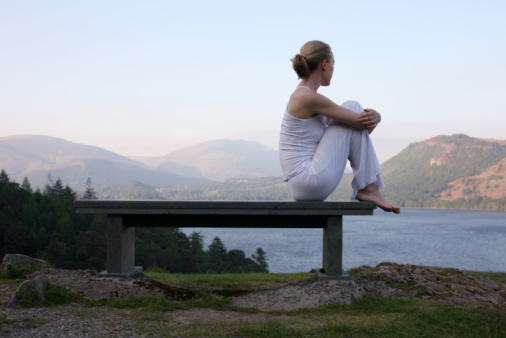
Our culture invariably supposes that action and accomplishment are better than rest, that doing something – anything – is better than doing nothing. Because of our desire to succeed, to meet these ever-growing expectations we do not rest.

Because we do not rest we lose our way. We miss the compass points that would show us where to go,  we bypass the nourishment that would give us succor.

We miss the quiet that would give us wisdom. We miss the joy and love born of effortless delight.

Wayne Muller, Sabbath: Finding Rest, Renewal and Delight in our Busy Lives.

Balance 3: Make time and space for questions

When I was a child in New York City in the 1940s there were laws that attempted to legislate the Biblical injunction, “Remember the Sabbath and keep it holy.” Businesses were closed. Shopping stopped. There were no convenience stores. People needed to remember, in advance of the Sabbath, to provide for the upcoming day of rest and spiritual reflection so that, on that day, they could rest. The community collectively caught its breath. Family members spent time with each other. They renewed connections. They visited neighbors.

I like to imagine that, whether or not people went to religious services, there was the possibility in that period of a pause for reflection. “What am I doing with my life?” “Is what I am doing good for me?” “Is it good for other people?” “Does my life make a difference in the world?” “Could my life make more of a difference in the world?

All of the important fundamental questions in life seem to be waiting, so to speak, next on line at the top of the mind’s agenda, if only we give them the time and the space to present themselves.

Sylvia Boorstein